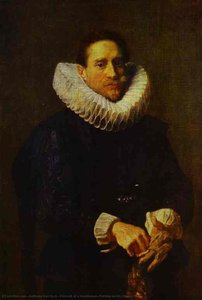
Gemäldegalerie Alte Meister: A Sanctuary of Old Masters
Nestled within the opulent Zwinger Palace in Dresden, Germany, the Gemäldegalerie Alte Meister isn’t merely a repository of artistic achievement; it's an immersive journey through the heart of European art history. More than just walls adorned with canvases, it is a carefully curated narrative that whispers tales of Renaissance ambition, Baroque drama, and the quiet brilliance of Northern masters. The gallery’s very existence is interwoven with the city’s own turbulent past—its painstaking reconstruction after World War II stands as a powerful symbol of resilience and an unwavering commitment to preserving cultural heritage for generations to come. The story begins in 1560 with Augustus the Strong's *Kunstkammer*, or Art Chamber, initially conceived as a collection of curiosities and royal treasures. Gradually, this evolved into a dedicated space for paintings, reflecting the Electors of Saxony’s growing passion for art. A pivotal moment arrived in 1745 when an astonishing acquisition of 100 works from the Duke of Modena dramatically expanded its holdings and firmly established the gallery's reputation as a premier destination for Old Master paintings.
-
A Legacy Forged in Fire:
The Gallery’s History
-
Treasures Within:
A Glimpse into the Collection
-
Architectural Grandeur:
Semper’s Vision
-
Innovative Design:
Color Palette and Exhibition Flow
-
A Beacon of Preservation:
Reconstruction After WWII
A Legacy Forged in Fire: The Gallery’s History
The Gemäldegalerie Alte Meister endured immense hardship during World War II, suffering significant damage and the loss of numerous artworks. Yet, through tireless efforts of restoration and recovery, it has re-emerged as a beacon of cultural heritage. Its initial incarnation was the Kunstkammer of Augustus II the Strong, which began to amass paintings in 1745—primarily from Modena—and quickly gained renown for its impressive collection. The gallery’s reconstruction after the war was a monumental undertaking, spearheaded by Gottfried Semper and completed in 1854, symbolizing Dresden's determination to rebuild its cultural identity. Despite facing challenges like the destruction of WWII and the loss of artworks during the Soviet occupation, the Gemäldegalerie Alte Meister continues to inspire visitors worldwide.
Treasures Within: A Glimpse into the Collection
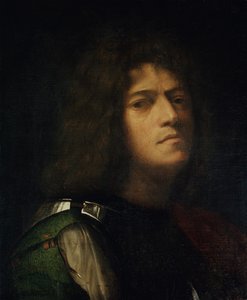
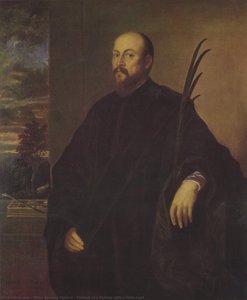
The Gemäldegalerie’s collection is, quite simply, breathtaking—a veritable feast for the eyes boasting an unparalleled concentration of iconic works. Dominating the visitor’s experience, and rightfully so, is Raphael's *Sistine Madonna*. This painting isn’t just a masterpiece; it embodies divine beauty and technical mastery with an almost ethereal quality. The delicate interplay of light and shadow, the serene expressions of the Virgin Mary and infant Jesus, and the sheer emotional resonance of this work continue to captivate viewers centuries after its creation. Equally compelling is Peter Paul Rubens' *The Birth of Venus*, a vibrant explosion of color and mythological narrative that captures the sensual grace of the goddess emerging from the sea foam. Beyond these monumental works, the gallery houses an extraordinary array of paintings by Titian, Giorgione, Correggio, Tintoretto, and countless other masters—each offering a unique window into their artistic vision. The collection’s German holdings are particularly noteworthy, dominated by the exceptional legacy of Lucas Cranach the Elder and Younger.
Architectural Grandeur: Semper’s Vision
The Gemäldegalerie Alte Meister’s setting within the Zwinger Palace is as impressive as its collection. Designed by the renowned architect Gottfried Semper, the gallery wing was completed between 1847 and 1854, providing a fittingly elegant backdrop for the priceless artworks it houses. The Neoclassical architecture of the Zwinger itself—with its soaring arches, symmetrical facades, and intricate ornamentation—reflects the grandeur of the era in which it was built. Semper’s meticulous attention to detail ensured that the gallery would be a testament to German architectural excellence.
Innovative Design: Color Palette and Exhibition Flow
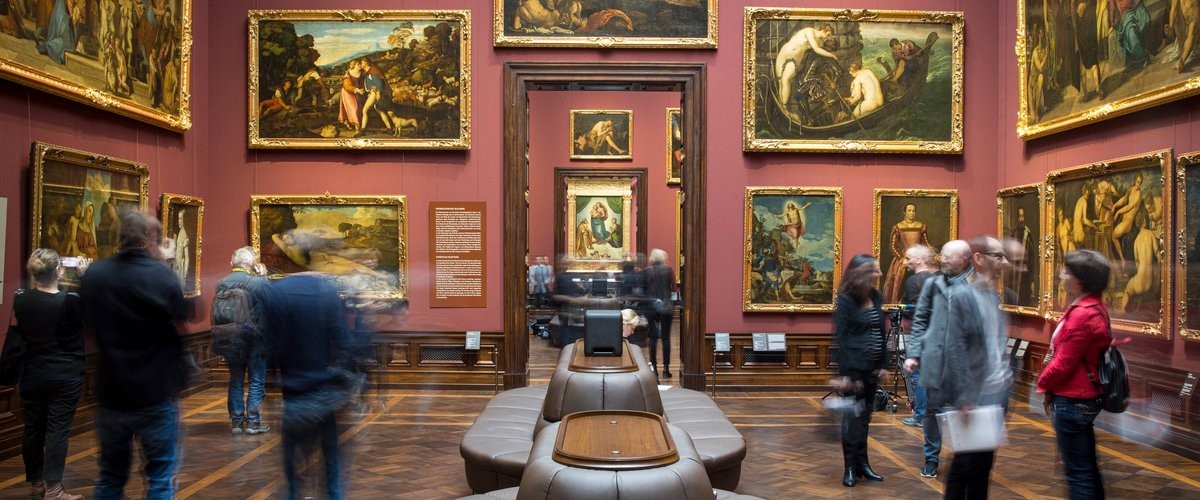
What truly distinguishes the Gemäldegalerie Alte Meister is its innovative approach to exhibition design. The strategic use of color — deep reds for Italian paintings, verdant greens for Dutch and Flemish works — creates a visual framework that subtly guides visitors through the collection and highlights the distinct characteristics of each artistic period and region. This carefully considered aesthetic element enhances the viewing experience, allowing visitors to appreciate the nuances of style and technique with greater clarity.
A Beacon of Preservation: Reconstruction After WWII
The gallery endured immense hardship during World War II, suffering significant damage and the loss of numerous artworks. Yet, through tireless efforts of restoration and recovery, it has re-emerged as a beacon of cultural heritage. The painstaking reconstruction after World War II stands as a testament to Dresden’s determination to rebuild its cultural identity. Today, the Gemäldegalerie Alte Meister continues to inspire and educate visitors from around the globe. Visiting the Gemäldegalerie Alte Meister is more than just seeing paintings; it's experiencing history, beauty, and the enduring legacy of artistic genius. For opening hours, ticket information, and guided tour schedules, please visit their website: https://en.wikipedia.org/wiki/Gem%C3%A4ldegalerie_Alte_Meister.