



A Beacon of Modern Korean Art: Exploring the Gyeonggi Museum of Modern Art
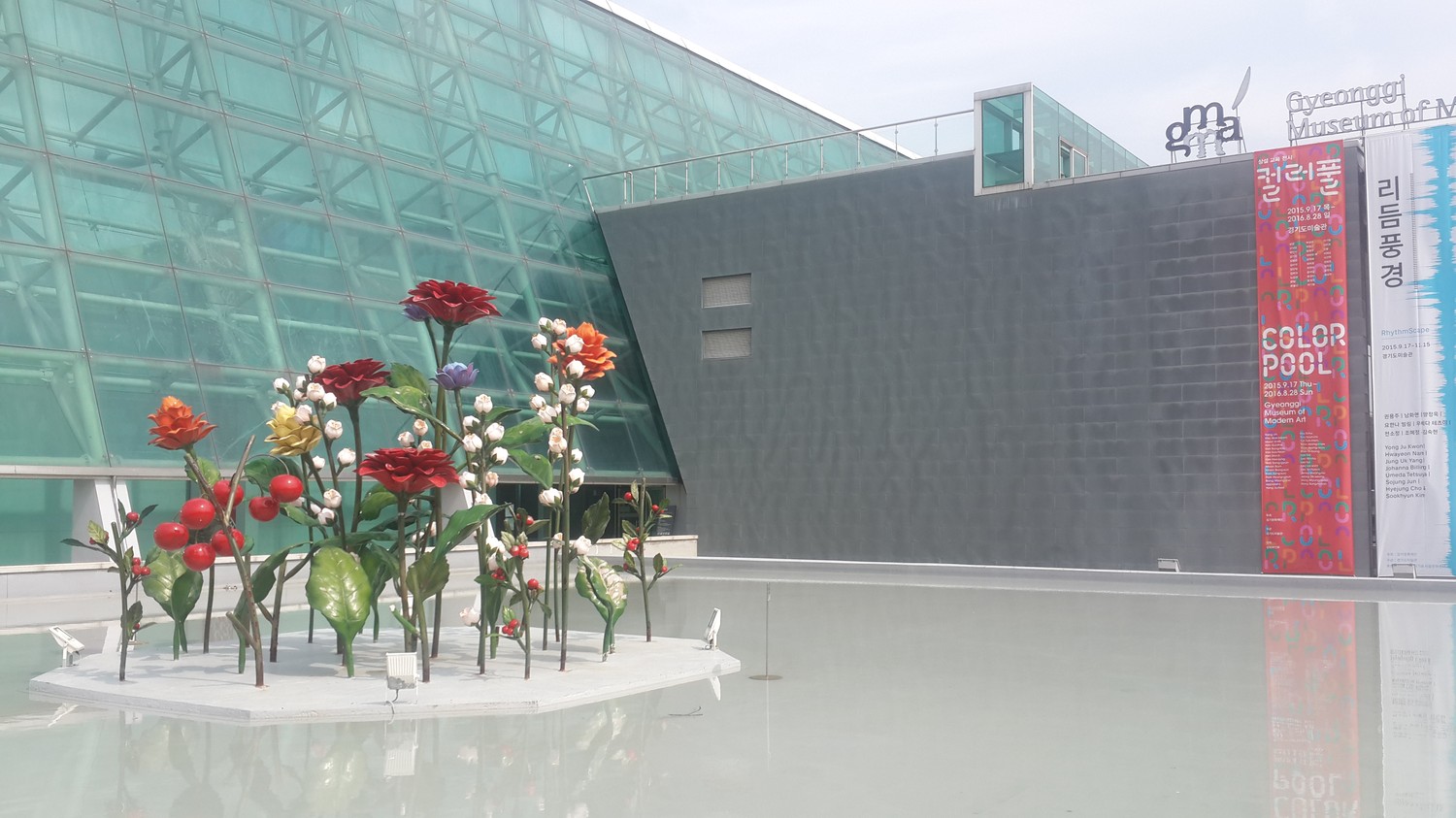
Nestled in the vibrant city of Ansan, South Korea, the Gyeonggi Museum of Modern Art (GMOMA) stands as a compelling testament to the nation’s dynamic artistic evolution. Established in 2006 by Gyeonggi Province, GMOMA isn't merely a repository for artworks; it is a living, breathing cultural hub dedicated to the collection, preservation, research, and vibrant exhibition of modern Korean art. More than just a display space, it functions as an active center for intellectual exploration, fostering dialogue around Korea’s unique cultural identity within the broader context of global artistic trends.- Origins & Vision: GMOMA emerged from a profound desire to enrich Gyeonggi Province's cultural landscape—a region brimming with over 13 million residents—providing them with access to exceptional art experiences. Recognizing the importance of fostering creativity and understanding, provincial officials envisioned an institution that would champion both established masters and emerging voices within Korean contemporary art.
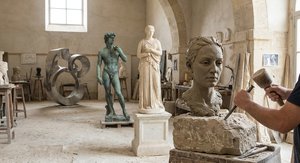
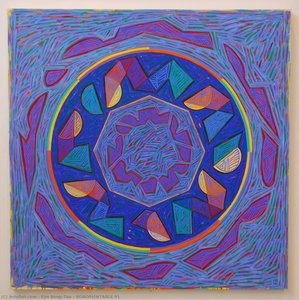
- A Diverse Collection Reflecting Korean Identity: The museum’s impressive collection spans a remarkable breadth of artistic mediums—captivating paintings rendered in bold hues, thought-provoking sculptures exploring form and materiality, immersive installations challenging perceptions, compelling video art delving into narrative storytelling, and striking photography capturing fleeting moments. However, the unifying element across these diverse pieces is their unwavering focus on articulating what it signifies to be Korean in the 21st century.
Exhibitions at GMOMA consistently grapple with complex themes—cultural heritage juxtaposed against contemporary perspectives, historical influences shaping artistic expression, and explorations of identity both individual and collective. Unlike many international museums prioritizing breadth over depth, GMOMA distinguishes itself through its singular dedication to understanding and promoting Korea’s distinctive artistic legacy.
Architecture as an Extension of Artistic Vision
While precise architectural specifications remain somewhat elusive to the public eye, GMOMA's building design deliberately complements its mission as a modern art institution. The architects prioritized creating spaces that enhance visitor engagement and contemplation—flexible areas accommodating exhibitions and educational programs—incorporating elements intended to foster intellectual curiosity and artistic appreciation. It’s more than just structural support; it’s an active participant in the sensory experience of encountering artwork.
- Spatial Considerations: The building's layout encourages visitors to move seamlessly between spaces, fostering a contemplative atmosphere ideal for immersing oneself in the artworks on display. Natural light is skillfully utilized throughout the museum, illuminating pieces and creating an environment conducive to artistic reflection.
Notable Exhibitions & Artistic Dialogue
GMOMA has consistently spearheaded groundbreaking exhibitions that propel dialogue around Korean art history and contemporary trends. Recent initiatives have explored connections between Korean art and global movements—highlighting influences from Impressionism, Cubism, Surrealism, and beyond—demonstrating GMOMA’s commitment to fostering intercultural understanding.