
A Sanctuary of British Heritage Amidst the Australian Landscape
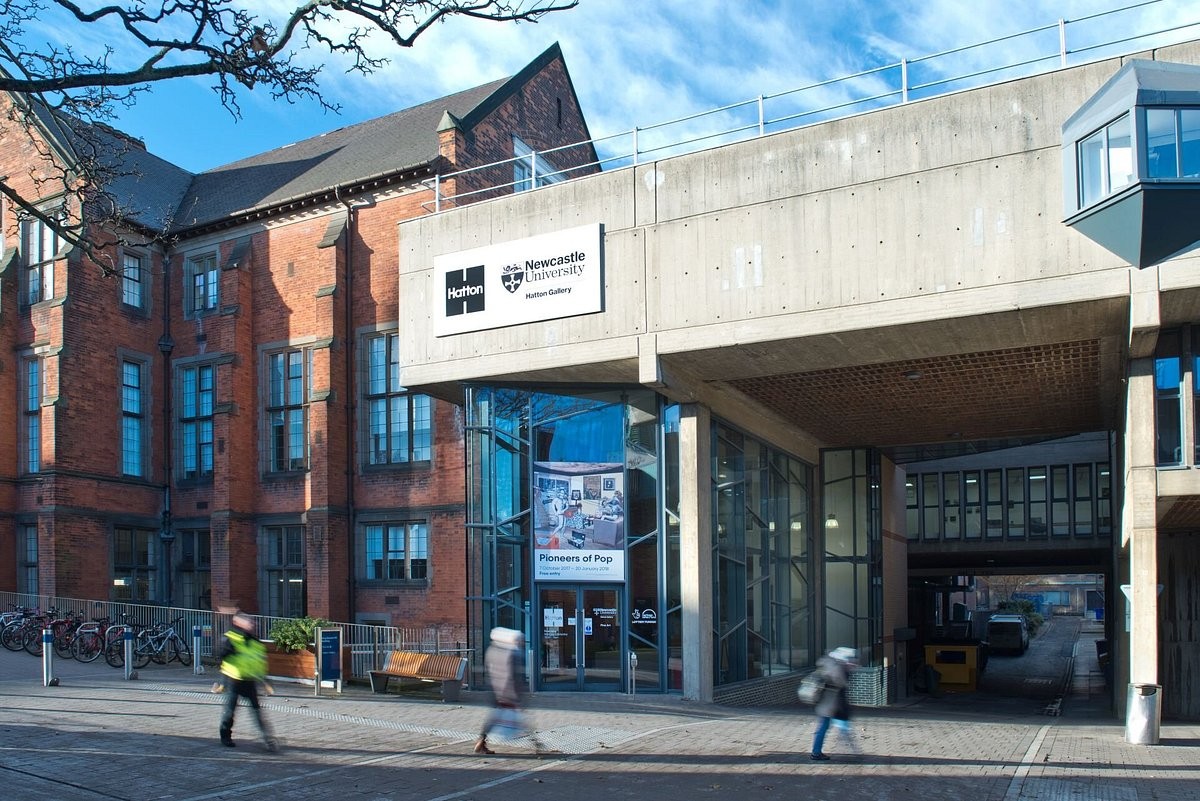
In the heart of New South Wales, nestled within the academic embrace of the University of Newcastle, lies a cultural treasure that defies geographical expectations. The Hatton Gallery serves as a profound sanctuary for British art, offering a curated window into the soul of a distant island nation while rooted firmly in the Australian landscape. It is not merely a repository for static objects but a vibrant intersection where scholarly inquiry meets public wonder. To step inside is to leave the contemporary bustle behind and enter a space where the evolution of British aesthetic thought—from the delicate flourishes of the Rococo to the sweeping, atmospheric grandeur of Romanticism—is laid bare for the contemplative observer.
The collection itself is a masterclass in curated excellence, prioritizing the profound impact of individual masterpieces over the sheer volume of holdings. Collectors and art enthusiasts will find themselves captivated by the gallery's ability to showcase the lineage of British greatness, featuring works that echo the brilliance of Gainsborough, Turner, Constable, and Whistler. Each piece acts as a temporal bridge; for instance, the meticulous engravings of Francis Wheatley, such as his 1789 portrait of Arthur Phillip Esq., provide a striking visual record of colonial history, blending formal European conventions with the burgeoning spirit of New South Wales. This dialogue between British technique and Australian subject matter creates a unique tension that is both intellectually stimulating and visually arresting.
The Art of Atmosphere and Natural Detail
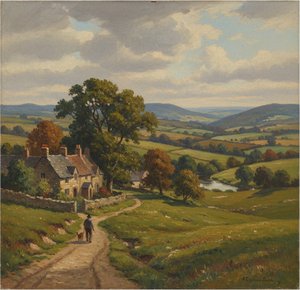
Beyond the grand portraits and historical narratives, the gallery offers an intimate exploration of the natural world and the subtle nuances of light. The collection breathes through its diverse mediums, where the luminosity of Impressionistic influences meets the precise draughtsmanship of natural history art. One cannot help but be moved by the delicate watercolor illustrations of John William Lewis, whose depictions of Australian Magpies possess a scientific accuracy married to an artist's grace. This reverence for detail is mirrored in the landscape works, such as Charles Edward Conder’s serene glimpses into rural Victorian life, which utilize atmospheric perspective to evoke a sense of nostalgia and quiet emotion.
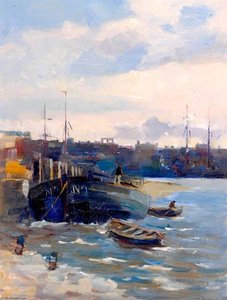
For the interior designer or the lover of fine aesthetics, the gallery provides endless inspiration through its study of texture, color, and composition. The way light interacts with the varied surfaces of oil on canvas, the transparency of watercolors, and the tactile depth of sculptural elements offers a rich vocabulary for any creative pursuit. The museum’s architectural setting is intentionally designed to facilitate this sensory experience; the space is crafted to maximize natural light, ensuring that every brushstroke and tonal shift is presented with optimal clarity, fostering an environment of deep contemplation and aesthetic discovery.
A Legacy of Innovation and Resilience
The history of the Hatton Gallery is as much a story of community passion as it is of artistic merit. While its roots trace back to the foundational years of art education in the region, its survival has been marked by significant moments of cultural advocacy. The gallery has famously stood as a site of artistic revolution; it can proudly claim to be the birthplace of Pop Art, having hosted the first exhibition of Richard Hamilton’s seminal Man, Machine and Motion in 1955. This legacy of hosting groundbreaking works continues through rotating exhibitions that bridge the gap between historical traditions and contemporary interpretations.
This spirit of resilience was most notably demonstrated when a widespread public campaign, bolstered by the generosity of figures like Dame Catherine Cookson, ensured the gallery’s continued existence during periods of uncertainty. Today, as part of a revitalized institution, the Hatton Gallery remains a beacon of accessibility and education. With free admission and a robust program of lectures and workshops, it invites all—from the curious student to the seasoned connoisseur—to participate in the ongoing dialogue of art history. It stands not just as a museum, but as a living testament to the enduring power of creativity to connect disparate worlds.