

A Journey into Iberian Folk Heritage: Unveiling the Secrets of the Iberian Museum of Mask and Costume
Nestled within the ancient walls of Bragança, Portugal’s oldest town, lies a truly singular museum – the Iberian Museum of Mask and Costume (Museu Ibérico da Máscara e do Traje). More than simply a repository of artifacts, this captivating space offers a profound immersion into the vibrant folk traditions that have shaped the northeastern regions of Portugal and Spain. Established through a remarkable cross-border collaboration between Bragança and Zamora, the museum stands as a testament to the enduring power of ritual, symbolism, and regional identity – a place where centuries-old stories are brought vividly to life through the expressive language of masks and costumes.
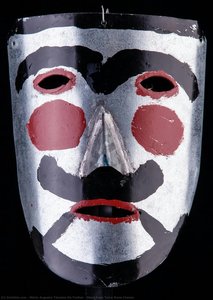
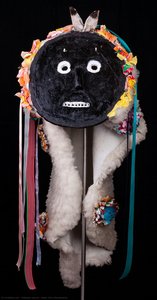
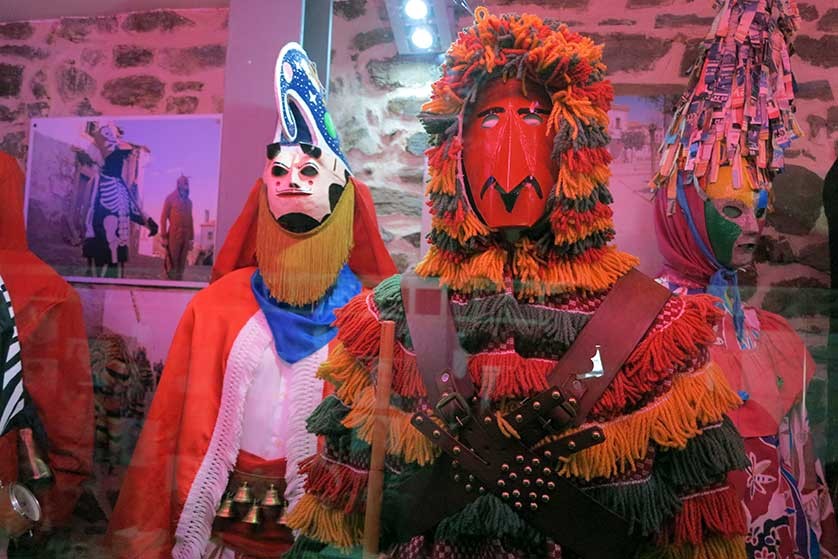
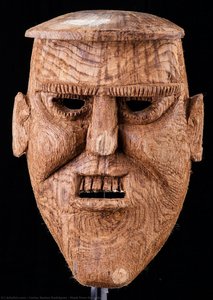
The museum’s core strength resides in its meticulous examination of Iberian Peninsula cultures, with particular emphasis on the Trás-os-Montes region of Portugal and Zamora province in Spain. This focus has yielded a remarkably rich collection, centered around the potent symbolism woven into traditional masks and attire. Visitors will discover a diverse array of masks – not merely decorative objects, but embodiments of ancient beliefs, seasonal celebrations, and even satirical commentary. These aren’t static displays; they are windows into pagan rituals, winter rites, and the exuberant Carnival festivities that have punctuated the calendars of these communities for generations. Alongside the masks, the museum showcases exquisite examples of traditional costumes, each a miniature masterpiece reflecting regional variations in design, craftsmanship, and social significance. From intricately embroidered linens to hand-stitched wools adorned with cork and tin, every garment tells a story of local skill and heritage.
The Heart of Iberian Traditions: Masks and Their Meanings
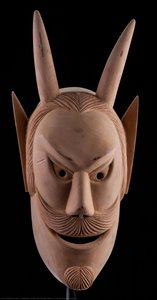
At the heart of the museum’s collection lies an exploration of the masks themselves. These aren't simply representations of characters; they are conduits to deeper cultural narratives. Many masks, particularly those associated with winter rituals, evoke a sense of primal fear and reverence – figures resembling horned devils, embodying chaos and magic during the darkest days of the year before the promise of spring’s renewal. The “Caretos” (wearers of traditional masks) from Trás-os-Montes, for instance, participate in elaborate processions during winter festivals, their movements and costumes echoing ancient pagan practices. The museum meticulously documents these traditions, providing context through photographs, historical accounts, and detailed explanations of the symbolism embedded within each mask’s design – a testament to the enduring connection between the material world and spiritual belief.
A Building as a Reflection: Architecture and Context
The museum's physical space is thoughtfully designed to complement its collection. Situated within the historic walls of Bragança’s citadel, it provides a neutral backdrop that allows the masks and costumes to command attention. The building itself reflects a deliberate effort to honor the heritage it houses – a contemporary structure built with respect for the surrounding historical landscape. The layout is carefully considered, guiding visitors through a chronological journey, beginning with the ancient winter rites and culminating in the vibrant celebrations of Carnival. This architectural choice underscores the museum’s commitment to presenting these traditions not as relics of the past, but as living, breathing aspects of Iberian culture.
Beyond Display: An Investigation into Cultural Roots
What truly distinguishes the Iberian Museum of Mask and Costume is its approach – it's an investigation rather than a mere exhibition. The museum doesn’t simply display beautiful objects; it delves into their meaning, tracing their connection to historical events, social structures, and spiritual beliefs. The curators have painstakingly researched the origins of these traditions, revealing their roots in Roman festivals like Saturnalia and the Dionysia, demonstrating how ancient rituals have evolved and adapted over centuries. This commitment to scholarly rigor elevates the museum beyond a simple showcase of folk art, transforming it into a valuable resource for understanding the complex tapestry of Iberian cultural heritage. The museum’s dedication to uncovering these hidden narratives makes it an essential destination for anyone seeking a deeper appreciation of Portugal and Spain's rich past.
Planning Your Visit: A Step Back in Time
Located within Bragança’s historic citadel, the Iberian Museum of Mask and Costume offers visitors a unique opportunity to step back in time. While an official website is currently unavailable, local tourism resources provide up-to-date information on opening hours and admission fees – typically a small fee of €1.21 per person. The museum is open Tuesday through Sunday from 9 am to 5 pm, with a one hour lunch closure from 1 to 2 p.m., and closed on Mondays (except Carnival Monday) and public holidays. Don’t miss the chance to explore the surrounding citadel, including Bragança Castle and its Military Museum, offering a complete immersion in this historically rich region of Portugal.