

A Legacy of Learning and Artistic Inspiration
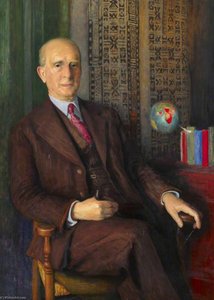
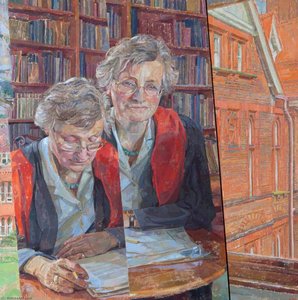
Nestled within the vibrant intellectual pulse of London, the Institute of Education (IOE) stands as a profound testament to the enduring dialogue between pedagogical excellence and visual culture. More than a mere academic institution, it serves as a sanctuary where the pursuit of knowledge meets the transformative power of art. Since its inception in 1902, originally as the London Day Training College, the Institute has evolved into a cornerstone of UCL’s Faculty of Education and Society, weaving a rich tapestry of historical significance and contemporary innovation. To walk through its halls is to traverse a timeline of human thought, where the echoes of pioneering educational theorists like Cyril Burt and Susan Sutherland Isaacs resonate alongside the silent, powerful narratives of its curated collections.
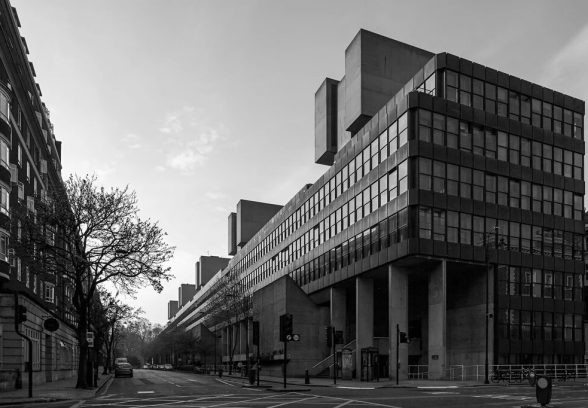
The architecture of the Institute itself acts as a grand, physical canvas that narrates a story of philanthropic vision and urban evolution. The historic buildings, rooted in the Victorian grandeur of the Passmore Edwards Hall on Clare Market, offer a sense of permanence and scholarly weight. Visitors are often captivated by the intricate carvings adorating its facades, which subtly depict themes of education and growth, reminding every passerby of the institution's foundational mission. As the campus expanded to incorporate modern facilities, it achieved a rare architectural harmony—a seamless blend of classical dignity and contemporary functionality that mirrors the Institute’s own journey from traditional teacher training to a global leader in research-driven innovation.
The Artistry of Knowledge: Collection and Curation
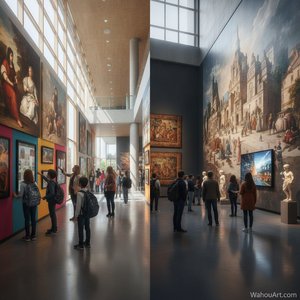
What truly distinguishes the IOE is its extraordinary collection, which functions not merely as decoration but as an essential companion to academic inquiry. The holdings are a curated symphony of diverse periods and styles, designed to provoke critical thinking and ignite the imagination. One might find themselves mesmerized by Renaissance prints that meticulously document scientific discoveries, illustrating how visual precision once paved the way for empirical understanding. These historical treasures exist in a vibrant tension with contemporary installations that tackle modern complexities, such as inclusivity, social justice, and the evolving nature of identity in a globalized world.
For the art lover and the interior designer alike, the collection offers a masterclass in how visual culture can enrich an intellectual environment. The curators meticulously select pieces that resonate with the Institute's core values, ensuring that every artwork prompts a deeper contemplation of how we perceive and shape our reality. This intentionality creates a space where the boundaries between the observer and the observed blur, fostering an atmosphere of profound engagement. It is this unique intersection—where the aesthetic meets the empirical—that makes the IOE a singular destination for those seeking inspiration beyond the traditional gallery setting.
A Dynamic Hub of Contemporary Dialogue
The lifeblood of the Institute lies in its commitment to ongoing discovery, manifested through a dynamic program of exhibitions and collaborative ventures. The Institute frequently hosts student-led showcases that push the boundaries of visual mediums, using art to delve into pressing educational and societal challenges. These exhibitions are not merely displays; they are intellectual provocations that invite the public to reflect on the future of learning and equity. By bringing together artists from diverse backgrounds and global perspectives, the IOE fosters a truly intercultural dialogue, ensuring that its halls remain a laboratory for both social and artistic experimentation.
As the Institute looks toward the future, its dedication to investing in artistic research ensures that its legacy remains as luminous as its past. The synergy between scholarly rigor and creative expression continues to attract collectors and thinkers who recognize that true innovation requires the ability to see the world through a lens of beauty and wonder. In every corner of the Institute, from its historic Victorian roots to its cutting-edge research hubs, there is an unmistakable sense that art is not just a reflection of learning, but the very fuel that drives it forward into new, uncharted territories of human understanding.