
A Sanctuary of Spanish Soul: The Instituto Valencia de Don Juan
Nestled within the vibrant, beating heart of Madrid, the Instituto Valencia de Don Juan offers far more than a mere glimpse into the past; it provides an immersive journey into the very essence of Spain's artistic and cultural soul. Founded through the pioneering and scholarly vision of Guillermo de Osma and Adelaida Crooke, this institution was born from a profound dedication to safeguarding the delicate threads of Spanish heritage. It operates not simply as a gallery for public viewing, but as a living sanctuary where research and reverence meet, ensuring that the treasures of the past continue to breathe and inspire in the modern era. For the art lover or the discerning collector, stepping into this institute feels like entering a private conversation with history, away from the bustling crowds of more commercial museums.
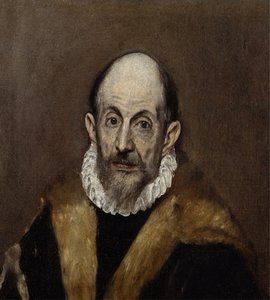
The museum’s true heart beats within its extraordinary Andalusian collection, arguably the most significant repository of this region’s artistic legacy in existence. As one wanders through the halls, the grandeur of the Spanish Golden Age unfolds in a breathtaking display of religious fervor and humanist intellect. Visitors are often captivated by the masterful works of Murillo, Zurbarán, Velázquez, and El Greco , whose brushstrokes capture the profound spiritual truths of their era. A particular jewel of the collection is El Greco’s “Allegory of the Camaldolese Order,” a masterpiece where the ethereal Byzantine influence meets the structured elegance of the Renaissance, creating a symbolic tapestry that continues to haunt and delight the contemporary eye.
Beyond the canvas, the institute serves as a monumental archive, housing over 40,000 historical documents that illuminate the trajectory of Spanish history from the medieval period through the Enlightenment. This wealth of knowledge is anchored by precious medieval manuscripts, which offer intimate glimpses into monastic life and the evolution of artistic innovation. Among these, the Códice del Toisón de Oro stands as an icon of unparalleled splendor; its opulent gold leaf decoration and intricate calligraphy serve as a shimmering testament to Spanish nobility and the meticulous craftsmanship of a bygone age.
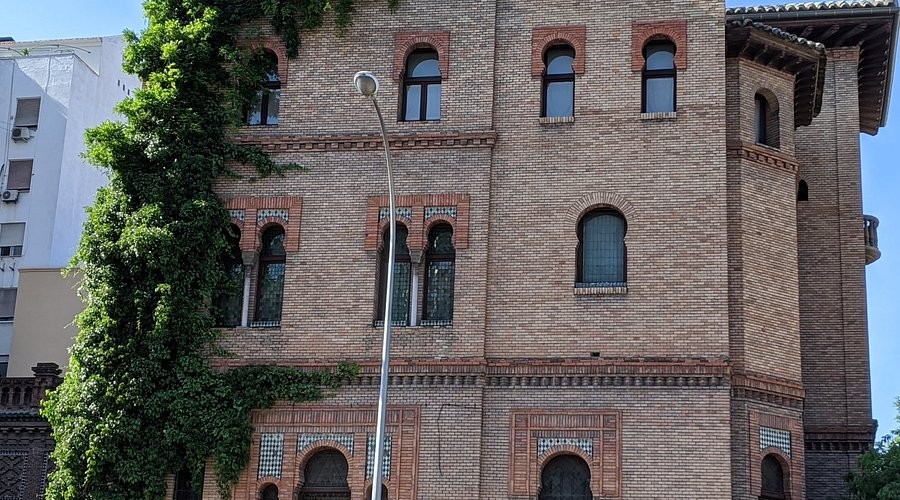
The architectural setting of the institute is itself a masterpiece of design, providing a sublime backdrop for such precious contents. The palace is constructed in the Neomudéjar style , a magnificent revival that pays homage to Moorish decorative motifs. This architectural choice creates a harmonious dialogue between Islamic and Christian influences, characterized by soaring ceilings and ornate stucco work that transport visitors into a world of historical grandeur. For interior designers and lovers of classical aesthetics, the building represents a pinnacle of decorative harmony. What truly distinguishes the Instituto Valencia de Don Juan, however, is its commitment to scholarly depth; it is a place where provenance and iconography are actively explored through regular exhibitions, fostering a continuous, living dialogue between the artistic legacies of yesterday and the curious minds of today.