


A Sanctuary of Remembrance: Exploring the Japanese American National Museum
Nestled within the vibrant heart of Los Angeles’s historic Little Tokyo, the Japanese American National Museum stands as more than just a repository of artifacts; it's a profoundly moving testament to resilience, injustice, and the enduring spirit of a community. Founded in 1992 from a collective determination to preserve its heritage and demand recognition for the hardships endured during World War II, the museum invites visitors on an immersive journey through a complex and often painful chapter of American history. It’s a space where individual stories intertwine with broader historical forces, prompting reflection on themes of social justice, inclusion, and the fragility of civil liberties – lessons that resonate powerfully in our contemporary world.
The museum's collection is remarkably diverse, spanning over 130 years of Japanese American experience. It’s not merely a display of objects; it’s an encounter with lives lived, meticulously documented through historical archives brimming with the textures of daily life – delicate textiles and evocative photographs alongside poignant letters and carefully preserved artifacts. A particularly arresting element is the “Dear Miss Breed” collection: hundreds of heartfelt letters penned by children incarcerated in internment camps to San Diego librarian Clara Breed. These missives, filled with longing, hope, and heartbreaking vulnerability, offer an intimate window into a world stripped of innocence and marked by profound displacement. Alongside this poignant collection are interactive exhibits like the StoryFile of Lawson Iichiro Sakai, allowing visitors to converse with a digital representation of an individual whose life embodies the complexities of the Japanese American experience – a man who navigated the challenges of wartime confinement while striving to maintain his family’s traditions.
Echoes of Generations: The Museum's Collection
The museum’s narrative unfolds through three core exhibitions. “Common Ground: The Heart of Community” traces over 130 years of Japanese American history, beginning with the arrival of the first Issei generation and extending to the present day. This expansive journey highlights not only moments of hardship but also the vibrant cultural traditions, artistic expressions, and community bonds that sustained the Japanese American population throughout their experiences. The exhibition powerfully demonstrates how this community has adapted and thrived despite facing systemic discrimination. A significant portion of the collection is dedicated to documenting the internment era, offering a sobering yet essential understanding of the injustices inflicted upon Japanese Americans during World War II. The museum’s commitment extends beyond mere preservation; it actively champions social justice through ongoing programs and initiatives.
Architecture as Narrative: A Dialogue Between Past and Present
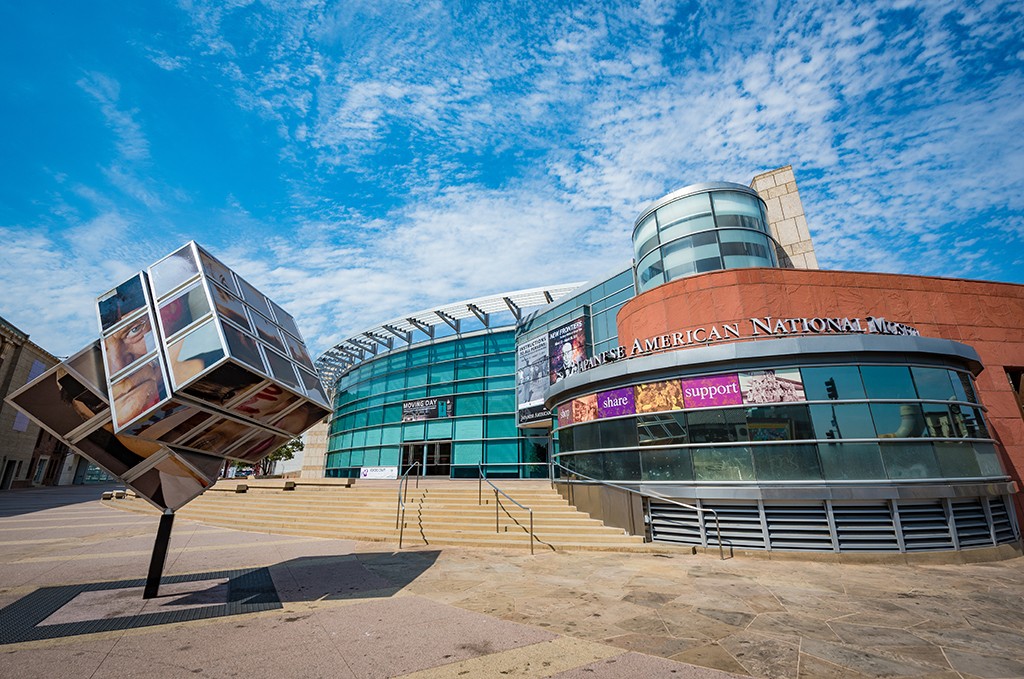
The museum's physical structure is itself a powerful statement, reflecting its mission and honoring the community’s history. Designed under the guidance of renowned architect Gyo Obata, the 85,000-square-foot Pavilion stands in striking contrast to the adjacent Hompa Hongwanji Buddhist Temple building – a poignant reminder of the site's complex past as a processing center for Japanese Americans during wartime confinement. This deliberate juxtaposition isn’t accidental; it represents a conscious effort to integrate historical context with contemporary aesthetics, creating a space that acknowledges the painful legacy while embracing a future focused on inclusivity and understanding. The Pavilion’s design – characterized by clean lines, natural light, and a seamless blend of modern materials – doesn't overshadow the temple but rather engages in a thoughtful dialogue with it, symbolizing the resilience and enduring spirit of the Japanese American community.
A Legacy Forged in Activism and Remembrance
The story of JANM’s founding is inextricably linked to the tireless activism of Bruce Teruo Kaji and other dedicated community leaders who fought for redress following the injustices suffered during World War II. The original Hompa Hongwanji Buddhist Temple building, ironically, served as a processing center where Japanese Americans were prepared for forced confinement – a stark reminder of the era’s prejudice and fear. Irene Hirano, the museum's first executive director, played a pivotal role in shaping its vision and establishing it as a vital cultural institution. Today, JANM continues to champion social justice, refusing to compromise on diversity, equity, and inclusion programs, even in the face of political pressure. This commitment extends beyond preservation; it’s an active engagement with contemporary issues, ensuring that the lessons of the past inform a more just future. A visit to this remarkable institution is not simply a journey through time; it's an invitation to reflect on our shared humanity and the enduring importance of empathy, resilience, and unwavering commitment to justice.
Additional Research
- Japanese American National Museum Website: https://www.janm.org/
- Wikipedia Search: Japanese American National Museum: https://en.wikipedia.org/wiki/Japanese_American_National_Museum
- Los Angeles Rams History: https://en.wikipedia.org/wiki/Los_Angeles_Rams
- Japanese Americans - Wikipedia: https://en.wikipedia.org/wiki/Japanese_Americans
- The Great Wall of Los Angeles (Judith Francisca Baca): https://www.artsy.net/article/artsy-news-great-wall-los-angeles-judith-francisca-baca
- Yasuo Kuniyoshi - Wikipedia: https://en.wikipedia.org/wiki/Yasuo_Kuniyoshi



![[untitled] — Miné Okubo](/media/artworks/images/thumbnails/43/9c/439c144c01b24cbb8290637d89d641cd.jpg)
![[untitled] — Miné Okubo](/media/artworks/images/thumbnails/79/62/796204f650444e53a649614e140c33f2.jpg)
![[untitled] — Miné Okubo](/media/artworks/images/thumbnails/97/eb/97eb69e4911d4799b37189cbea0458fe.jpg)
![[untitled] — Miné Okubo](/media/artworks/images/thumbnails/00/fd/00fd46bc006648e3a287539d5bfe64e2.jpg)
![[untitled] — Miné Okubo](/media/artworks/images/thumbnails/c2/a5/c2a52ef5324a475495816edabc67a7c8.jpg)

