The Living Pulse of Contemporary Creation
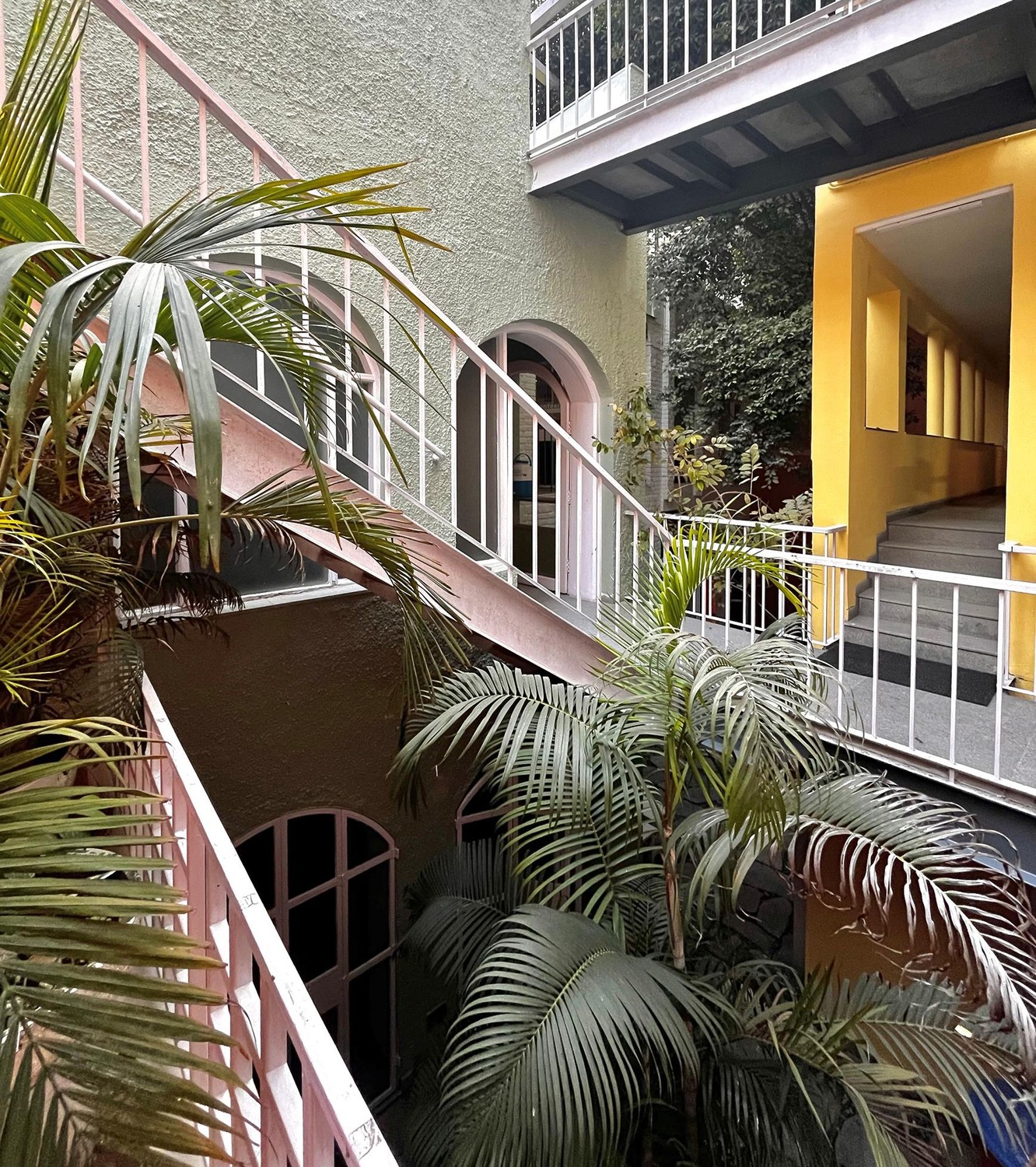
In the heart of New Delhi, where the ancient echoes of history meet the frenetic energy of a modern metropolis, lies the Khoj International Artists' Association—not merely a repository of static objects, but a breathing, evolving laboratory of human expression. Unlike traditional museums that guard silent halls of antiquity, Khoj exists as a dynamic intersection of thought and action. It is an institution defined not by what it preserves in frames, but by the radical experiments it fosters within its walls. For the discerning collector or the interior designer seeking inspiration beyond the conventional, KhoX offers a glimpse into the very vanguard of contemporary South Asian art, where the boundaries between performance, installation, and social practice are perpetually blurred.
A Tapestry of Interdisciplinary Mastery
The true "collection" at Khoj is found in the ephemeral and the profound. It is a curated archive of moments—residencies that transform artists into explorers, and workshops that turn raw materials into philosophical inquiries. To wander through its influence is to witness a mastery of medium that defies categorization. The association’s programming creates a landscape where art is not just seen, but experienced through:
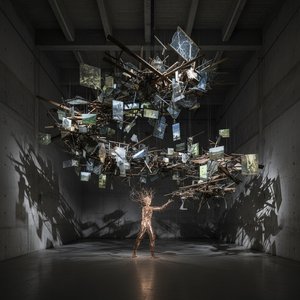
- Experimental Installations that challenge the spatial perception of the viewer and redefine the boundaries of the gallery space;
- Performance Art that utilizes the human body as a canvas for political and social discourse;
- Interdisciplinary Residencies where global perspectives converge to create works that are both local and universal.
This fluidity makes Khoj an essential pilgrimage site for those who appreciate art that breathes with the zeitgeist. The institution’s history is a testament to the power of community, having served as a vital node in the global contemporary art network, connecting local Indian narratives with international dialogues.
The Architecture of Thought and Connection
While its physical presence provides a sanctuary for creation, the architecture of Khoj is primarily one of intellectual space. It provides a scaffold upon which artists can build, fail, and reinvent. For the art enthusiast, the allure lies in this very process of becoming. The association’s commitment to social practice ensures that every exhibition is more than an aesthetic encounter; it is a communal event that invites the viewer to participate in the unfolding narrative of our time. In an era where art is often commodified into mere decoration, Khoj stands as a defiant reminder of art's capacity to provoke, to question, and to transform the very fabric of our social reality.
It is here, amidst the experimental and the unrefined, that the future of contemporary expression is being written.