
A Sanctuary of Eclecticism: The Soul of the Columbia River Gorge
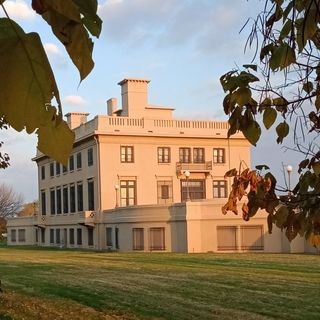
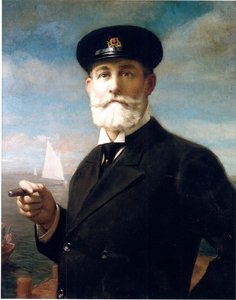
Perched precariously yet gracefully upon a windswept bluff overlooking the dramatic eastern reaches of the Columbia River Gorge, the Maryhill Museum of Art stands as a breathtaking testament to human ambition and international connection. This is not merely a repository for fine objects; it is a Beaux-Arts masterpiece that rises from the rugged Washington landscape like a dream realized against the odds. Originally envisioned by the visionary entrepreneur Samuel Hill as a grand private residence to entertain European royalty, the structure’s very bones tell a story of interrupted grandeur. The onset of World War I halted construction, leaving the mansion in a state of suspended animation until its eventual dedication in 1926—a moment immortalized by the presence of Queen Marie of Romania. To walk through its halls is to step into a narrative where the ruggedness of the American West meets the refined elegance of European aristocracy.
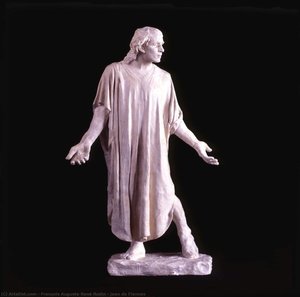
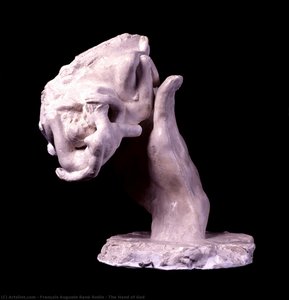
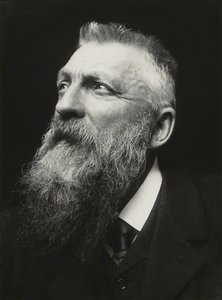
The museum’s collection is a mesmerizing tapestry of global heritage, offering an unparalleled journey through diverse artistic movements and cultural traditions. For the discerning collector or lover of classical form, the presence of Auguste Rodin’s profound sculptures provides a heavy, emotional anchor to the space. The bronze and plaster iterations of The Thinker and The Burghers of Calais resonate powerfully within the mansion's soaring volumes, their raw textures inviting deep contemplation on the human condition. This European gravity is beautifully balanced by the delicate, luminous allure of Art Nouveau glasswork. The ethereal creations of Émile Gallé and René Lalique catch the shifting light streaming through large windows, their organic forms echoing the natural beauty of the surrounding Gorge. Such treasures create an atmosphere of sophisticated luxury that would enchant any interior designer seeking inspiration in the marriage of nature and ornament.
Beyond the European masters, Maryhill serves as a vital custodian of local and spiritual history. The museum holds a deeply moving collection of American Indian art from the Columbia Plateau region, where intricately woven baskets and meticulous beadwork speak to an enduring connection to this ancestral land. This dialogue between cultures is further enriched by the presence of Eastern Orthodox icons and the personal, intimate artifacts donated by Queen Marie herself, which offer a rare glimpse into the private life of royalty. Even the museum's grounds contribute to its profound symbolic weight; the full-scale replica of Stonehenge stands as a poignant memorial to those lost in the Great War, a stark, lithic silhouette against the horizon that serves as a silent sentinel of remembrance.
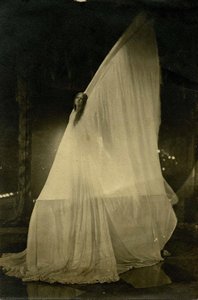
For those who seek art that transcends the boundaries of time and geography, Maryhill offers an experience of profound discovery. Whether one is drawn to the historical memorabilia of Samuel Hill’s progressive legacy, the theatrical whimsy of the Théâtre de la Mode mannequins, or the contemporary dialogues fostered through its rotating exhibitions, the museum remains a living, breathing entity. It is a place where architecture, history, and art converge to create a sanctuary for the spirit—a destination where every corner turned reveals a new layer of beauty, making it an essential pilgrimage for anyone captivated by the enduring power of creative expression.