



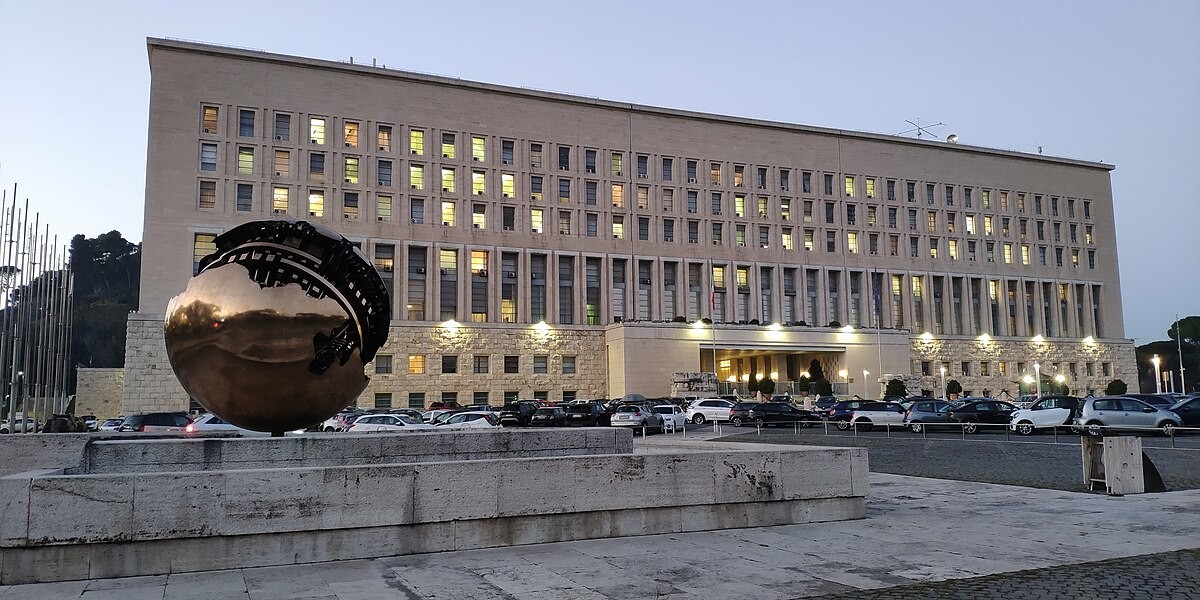
A Dialogue Between Art and Diplomacy: The Soul of the Farnesina Collection
In the heart of Rome, where the weight of history meets the pulse of modern governance, lies the Ministero degli Affari Esteri e della Cooperazione Internazionale. Collezione Farnesina . This is not merely a repository for fine objects; it is a living testament to Italy’s enduring commitment to cultural diplomacy. Housed within the magnificent Casa Littoria —formerly known as the Palazzo Farnesina—the collection serves as a profound intersection where aesthetic beauty meets political significance. To walk through its halls is to experience a carefully curated dialogue, one that bridges the gap between the grandeur of Italy’s past and the vibrant, evolving sensibilities of the present day.
The architecture itself tells a story of dramatic transformation and layered identity. Originally conceived in 1564 for Cardinal Alessandro Farnese, the site carries the elegant DNA of the Renaissance. However, the building underwent a metamorphosis during the era of Fascist rule, emerging as a masterpiece of Italian Rationalism under the vision of architect Enrico Del Debbio . This duality—the juxtaposition of Renaissance elegance with the monumental, structured grandeur of the mid-20th century—creates a captivating narrative for any visitor. One cannot help but feel the tension and harmony between these eras, particularly when standing beneath the soaring ceilings of the Sala della Vittoria , where Del Debbio’s architectural precision meets the striking, emotive frescoes of Amerigo Tot .
The collection itself is a breathtaking journey through the latter half of the 20th century and into our contemporary moment. It is a space where the dynamism of modern painting finds its footing alongside the grounded, enduring tradition of Italian sculpture. Curators have masterfully woven these elements together to foster a sense of intercultural understanding. The works on display do not merely exist in isolation; they engage in a continuous conversation about identity, memory, and social commentary. For the art lover or the discerning collector, the collection offers a rare glimpse into how visual culture can be used to shape global dialogue and reflect the changing values of a nation engaged with the world.
For interior designers and scholars alike, the Farnesina Collection provides an unparalleled study in how art can inhabit and define space. The museum’s ability to present contemporary artistic visions within such a historically charged environment makes it a unique destination. Whether one is contemplating the stark, evocative architectural sketches of public spaces or the vibrant canvases that reflect global trends, the collection remains a sanctuary of thought. It invites us to consider how art serves as a bridge—not just between nations, but between the historical legacies we inherit and the modern expressions we continue to create.