


A Sanctuary of Human Creativity: The Minneapolis Institute of Arts
In the heart of the American Midwest, the Minneapolis Institute of Arts (MIA) stands as a profound testament to the enduring power of the human imagination. To step through its doors is to embark on a temporal odyssey, where five millennia of global history converge within a single, breathtaking space. The museum is far more than a mere repository for objects; it is a living narrative that weaves together the threads of diverse civilizations, offering a sanctuary for contemplation and a vibrant stage for cultural dialogue. From the ancient whispers of African textiles to the silent strength of Asian bronzes, every corner of the institution invites the observer to lose themselves in the vast, intricate tapestry of human achievement.
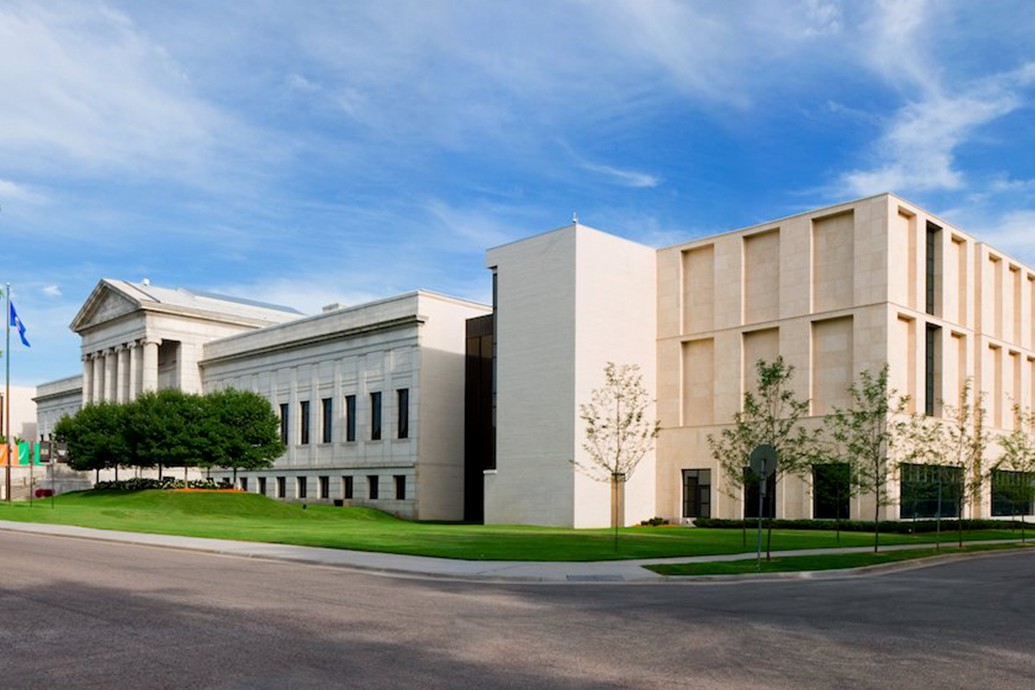
The architectural experience of the MIA is as much a masterpiece as the treasures it houses. The museum’s primary edifice, a magnificent example of Beaux-Arts grandeur completed in 1915, serves as a majestic vessel for its collection. Designed under the legendary guidance of the renowned firm McKim, Mead & White, the building commands respect with its soaring columns and ornate detailing. As sunlight filters through expansive windows, it illuminates an atmosphere of dignified elegance, creating a rhythmic interplay of light and shadow that elevates the act of viewing art into a spiritual experience. This architectural splendor is beautifully complemented by the nearby Purcell-Cutts House, a jewel of Prairie School architecture that offers a poignant glimpse into the refined domestic aesthetics of the early twentieth century.
For the discerning collector and lover of fine detail, the museum’s holdings offer unparalleled inspiration. The collection is particularly renowned for its exquisite Asian Art department, where meticulously crafted Chinese jades, ceramics, and bronzes showcase a level of symbolic depth and technical mastery that remains breathtaking even by modern standards. Beyond the ancient world, the museum presents a captivating journey through more recent movements, featuring an impressive array of paintings, prints, and photographs ranging from the luminous textures of Impressionism to the psychological depths of Surrealism. One cannot help but be moved by Maxfield Parrish's “Dream Castle in the Sky,” a work that exemplifies the museum's ability to blend meticulous realism with a sense of fantastical wonder.
What truly distinguishes the Minneapolis Institute of Arts, however, is its profound commitment to accessibility and community. By offering free admission, the institution removes the barriers between the public and the sublime, fostering an environment where art becomes a universal language accessible to all. Whether one is an interior designer seeking the timeless elegance of period decorative arts or a scholar tracing the evolution of global motifs, the MIA provides a rich, sensory landscape. It remains a beacon of inclusivity, constantly evolving through innovative programming and collaborative exhibitions that ensure the dialogue between the past and the present continues to flourish for generations to come.