
A Sanctuary of Artistic Vision on the Shores of Leman
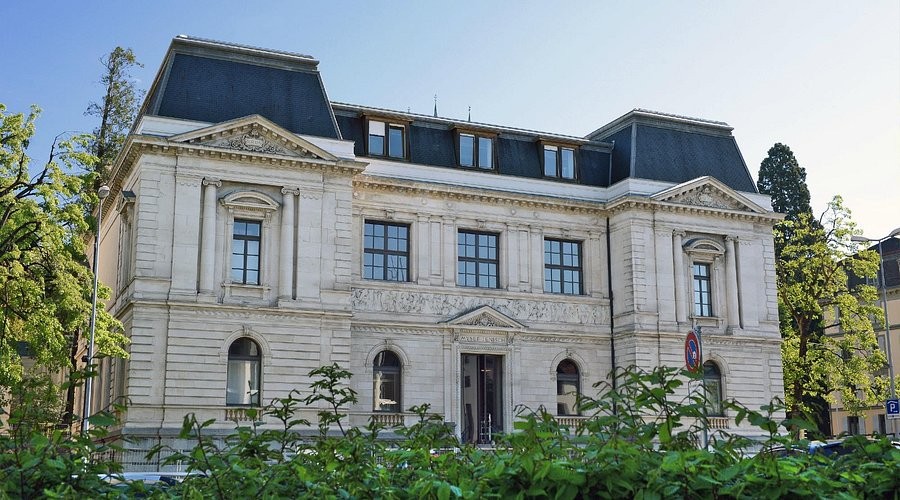
Nestled in the picturesque town of Vevey, Switzerland, where the serene expanse of Lake Geneva meets a landscape of profound tranquility, lies the Musée Jenisch. This is not merely a repository for artifacts but a sanctuary that embodies an enduring passion for the transformative power of art. Established in 1897 through the noble philanthropic vision of Fanny Henriette Jenisch and Martin Johann Jenisch, the institution was born from a deep-seated belief in preserving artistic heritage for the generations to follow. To step into this museum is to enter a space where beauty is treated with reverence, and where the echoes of the past harmonize with the creative impulses of the present.
The museum’s physical presence is as much a masterpiece as the treasures it protects. Housed in an exquisite neo-classical edifice designed by architects Louis Maord and Robert Convert, the building exudes a sense of grace and sophisticated order. Its symmetrical proportions and harmonious façade reflect the architectural sensibilities of its era, offering a grand yet intimate setting for contemplation. As sunlight filters through soaring ceilings, the structure itself serves as a silent conductor, guiding the visitor through a curated journey of light and shadow, much like the very paintings it contains.
A Tapestry of Paper, Print, and Masterful Strokes
While many museums seek breadth, the Musée Jenisch finds its soul in depth, particularly through its extraordinary focus on works on paper. The museum holds a prestigious position as one of Switzerland’s most significant repositories for printmaking, housing the Cabinet cantonal des estampes . This collection is a breathtaking odyssey through time, featuring over 40,000 works ranging from the intricate copper engravings of the Renaissance to the bold graphic experiments of the modern era. For the collector or the connoisseur, this assemblage offers an unparalleled look at the evolution of technique and the delicate dialogue between ink and parchment.
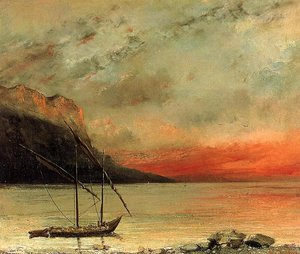
Beyond the mastery of print, the museum’s walls breathe with the vitality of European masters. One cannot wander through these halls without being moved by the monumental presence of Gustave Courbet. His "Sunset on Lake Leman" stands as a cornerstone of Realist art, capturing the natural world with such breathtaking accuracy and palpable emotion that the viewer can almost feel the cooling evening air. This dedication to portraying nature’s grandeur is complemented by the museum's significant holdings of Impressionistic portraits and works by masters like Rembrandt and Monet, creating a rich, multi-layered narrative of light and human experience.
From Expressionist Intensity to Cubist Innovation
The Musée Jenisch also serves as a vital bridge to the more radical movements of the twentieth century. It holds the distinction of housing the world's most important collection of works by Oskar Kokoschka, providing an intense, psychological window into the heart of Expressionism. The raw, emotive power of his canvases offers a striking contrast to the intellectual rigor found in the museum’s Cubist holdings. Here, the legacy of Jacques Villon emerges through audacious uses of color and geometric abstraction, challenging traditional perceptions of form and space and inviting the viewer to reconsider the very nature of sight.
This unique duality—the ability to host both the tender intimacy of a delicate drawing and the revolutionary energy of modern abstraction—is what makes the Musée Jenisch a destination of singular importance. For interior designers seeking inspiration or art lovers searching for a profound connection, the museum offers more than just a gallery visit; it offers an encounter with the human spirit. Through its rotating exhibitions that explore contemporary perspectives alongside historical triumphs, the museum remains a living, breathing entity, constantly fostering cultural understanding and celebrating the eternal dance of creativity.