
A Renaissance Reverie: Unveiling Ferrara’s Artistic Soul
Nestled within the historic heart of Ferrara, Italy – a UNESCO World Heritage site renowned for its remarkably preserved medieval and Renaissance architecture – lies a captivating ensemble of museums that offer an unparalleled journey through centuries of artistic evolution. The Musei Civici di Arte Antica e Museo Riminaldi aren’t merely repositories of artworks; they are portals to a bygone era, meticulously curated to reveal the dynamic interplay between power, patronage, and creative brilliance within this extraordinary city. This complex, comprised primarily of Palazzo Schifanoia and Palazzo Bonacossi, presents a unique dialogue across time, showcasing not just individual masterpieces but also the shifting aesthetic sensibilities and political landscapes that shaped Ferrara’s cultural identity.
Palazzo Schifanoia, initially conceived as a luxurious retreat for the Este family in the 14th century – a deliberate escape from the perceived “boredom” of courtly life (hence its name) – blossomed under the patronage of Borso d'Este into a breathtaking testament to Renaissance artistry. The Salone dei Mesi, or Hall of the Months, stands as the palazzo’s crowning glory. Here, a mesmerizing cycle of frescoes unfolds, each month depicted not merely as a seasonal marker but as a vibrant stage for allegorical dramas. These aren’t simply decorative paintings; they are complex visual narratives reflecting the Este family's self-perception as divinely ordained rulers, harmonizing earthly governance with cosmic order. The intricate details – the shimmering gold leaf, the meticulously rendered figures, the symbolic gestures – offer an extraordinary insight into the Renaissance worldview and the Este court’s ambition to project an image of unparalleled power and wisdom. Beyond the Salone, exploring the palazzo reveals a wealth of other treasures: exquisite stucco work, intricately carved furniture, and a collection of early Renaissance sculptures that illuminate the evolving artistic styles of the period.
Bridging Eras: From Frescoes to Baroque Splendor
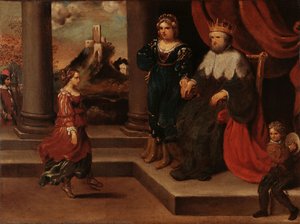
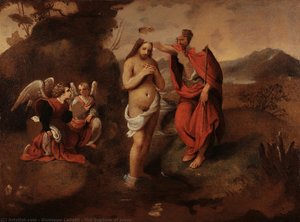
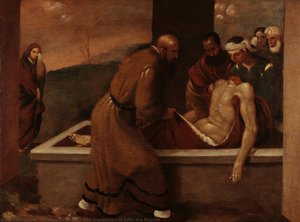
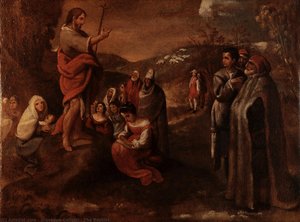
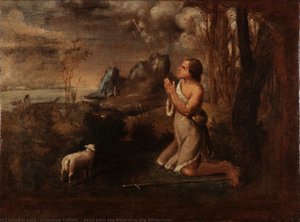
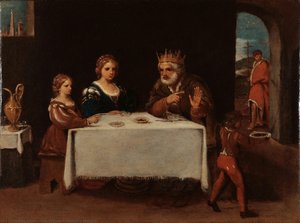
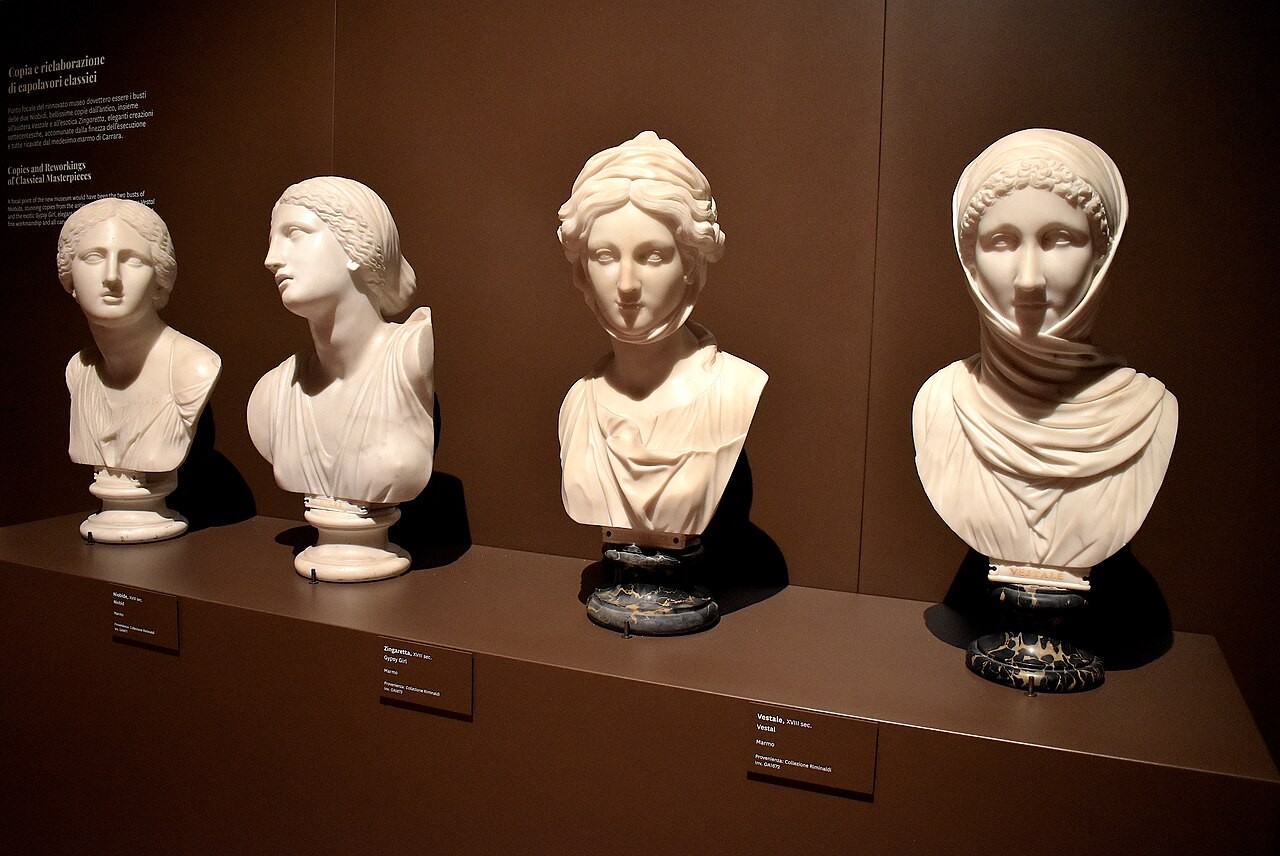
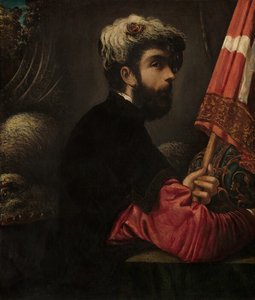
The narrative doesn’t conclude with the High Renaissance; Palazzo Bonacossi serves as a crucial bridge between the golden age of the Este and the dramatic flair of the 17th and 18th centuries. This transition is beautifully illustrated through the museum's diverse collections, which showcase a remarkable shift in artistic sensibilities. While Schifanoia celebrates a harmonious vision of power – a carefully constructed image of divine authority – Palazzo Bonacossi reveals the Baroque’s embrace of emotion, drama, and religious fervor. Visitors can trace this evolution through works by Giuseppe Caletti and other masters of the period, whose paintings often depict intense religious scenes or intimate genre compositions. The museum also boasts a significant collection of sculptures, tapestries, and mosaics, offering a comprehensive view of artistic production during this later era. Notably, the collection includes pieces reflecting the influence of Venice and Rome, demonstrating Ferrara’s continued engagement with broader European artistic trends.
The Este Legacy: A City Shaped by Patronage
Throughout both palaces, the indelible imprint of the Este family is palpable. They weren't merely rulers; they were discerning patrons who attracted some of the most talented artists of their time to Ferrara. Their court became a vibrant hub for innovation and creativity, fostering an environment where artistic experimentation flourished. The museum’s collections are a direct result of this patronage – a tangible legacy of the Este family’s commitment to art and culture. Examining the architectural details—the grand staircases, the lavishly decorated rooms—reveals the extent to which the Este court sought to emulate the grandeur of European palaces, solidifying Ferrara's position as a significant cultural center.
A Unique Cultural Destination
What truly sets the Musei Civici di Arte Antica e Museo Riminaldi apart is its ability to offer a comprehensive overview of Ferrara’s artistic development over several centuries. It’s not simply about admiring individual artworks; it's about understanding the city’s cultural evolution, the influence of its rulers, and the enduring power of art to reflect and shape society. The juxtaposition of Schifanoia’s Renaissance splendor with Palazzo Bonacossi’s Baroque dynamism creates a compelling dialogue across time, inviting visitors to contemplate the shifting aesthetic sensibilities and political landscapes that shaped Ferrara's identity. For art enthusiasts, collectors seeking inspiration, or interior designers looking for historical context, these museums provide a wealth of knowledge and aesthetic delight – an invitation to step back in time, immerse oneself in beauty, and discover the artistic soul of this remarkable Italian city.