
A Renaissance Echo in Piacenza: The Grandeur of Palazzo Farnese
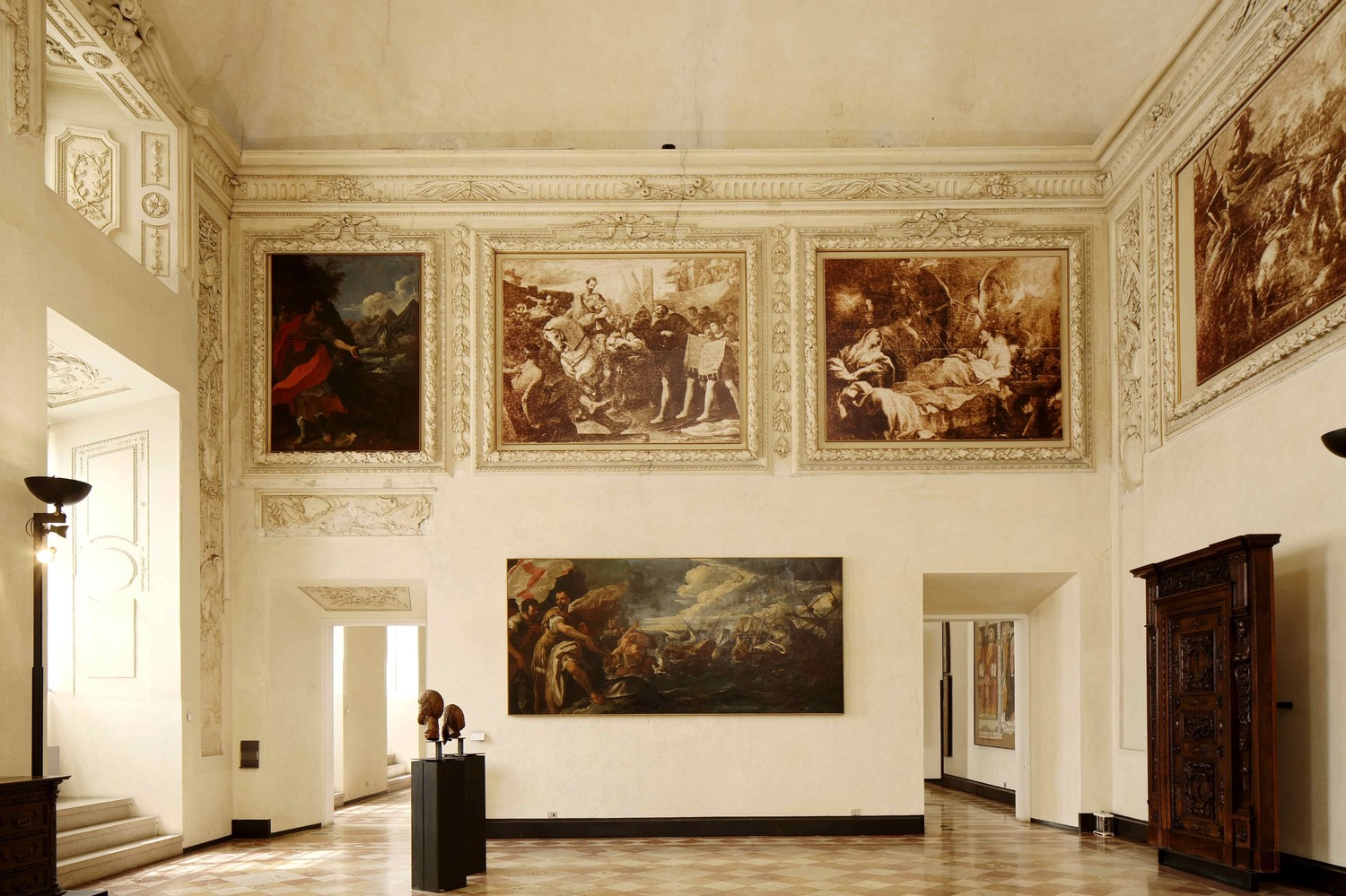
In the historic heart of Piacenza, where the shadows of the Emilia-Romagna region whisper tales of ancient power and refined elegance, stands the magnificent Musei Civici di Palazzo Farnese . This is not merely a museum complex but a living chronicle of five centuries of Italian achievement, housed within a palace that serves as a physical manifestation of the Farnese family's soaring ambitions. The architecture itself tells a story of transformation; begun in 1558 under the visionary direction of Giacomo Barozzi da Vignola, the structure seamlessly integrates the remnants of a 14th-century Visconti fortress. To walk through its halls is to traverse time, moving from the martial strength of the medieval era into the sophisticated splendor of the Renaissance, where every stone seems to resonate with the echoes of courtly life and political maneuvering.
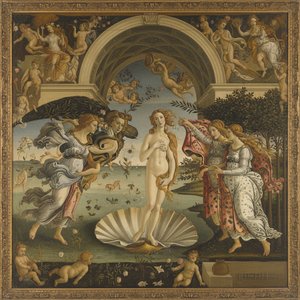
The museum’s collections offer a breathtaking kaleidoscope of human creativity, curated to enchant the discerning eye of the art historian and the aesthetic sensibilities of the modern interior designer alike. At the very soul of the Pinacoteca lies a jewel of the Renaissance: the Tondo by Sandro Botticelli (Alessandro Filipepi). This exquisite depiction of the Madonna adoring the Christ Child with San Giovannino radiates a serene, ethereal beauty, showcasing the master’s unparalleled ability to weave delicate lines and luminous colors into a profound devotional experience. Alongside this masterpiece, the gallery presents a rich tapestry of Late-Gothic works from the Rizzi Collection, offering a window into the spiritual intensity and stylistic evolution of Tuscan artistry.
Beyond the ethereal realms of painting, the museum invites visitors on an archaeological and technological odyssey. The Archaeological Museum holds one of the most enigmatic treasures of the ancient world: the Liver of Piacenza . This bronze Etruscan artifact, a relic of ancient divination practices, provides a tangible, haunting link to a civilization shrouded in mystery. For those captivated by the artistry of craftsmanship and the evolution of movement, the museum’s underground chambers reveal an extraordinary collection of historic carriages. Donated by Count Silvestro Brondelli, these meticulously preserved vessels represent the pinnacle of 18th-century engineering and social prestige, serving as sculptural masterpieces of wood and metal that reflect the changing rhythms of human transit.
What truly distinguishes Palazzo Farnese is its ability to synthesize such diverse narratives into a single, immersive journey. It is a place where the delicate fragility of medieval glass and majolica meets the heavy, storied presence of ancient weaponry. From the vibrant fragments of 13th-century wall paintings to the patriotic echoes of the Risorgimento museum, the collection serves as a profound testament to Piacenza’s enduring cultural identity. For the collector or lover of fine arts, the museum offers more than just observation; it provides an encounter with the very essence of Italian heritage, making every visit a discovery of hidden gems tucked within its magnificent, historic shell.