
A Living Tapestry of Mexican Soul
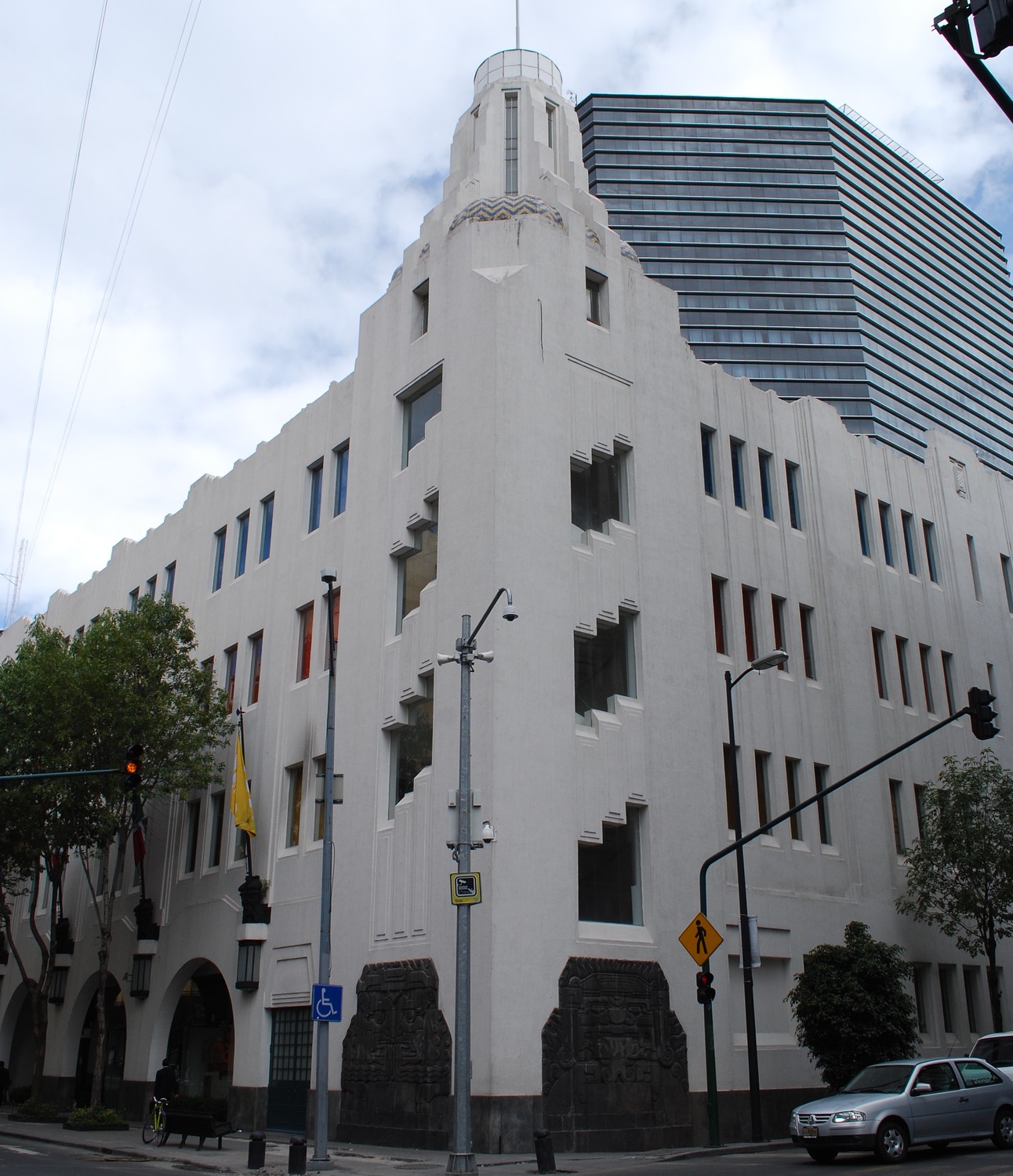
Nestled within the elegant Art Deco edifice of Mexico City’s Centro Histórico lies the Museo de Arte Popular , a sanctuary where the pulse of Mexican folk art beats with unyielding vitality. More than just a repository for objects, this museum serves as a vibrant dialogue between ancient traditions and contemporary creativity, captivating visitors from around the globe. The building itself tells a story of transformation; originally constructed in 1927 as a municipal fire station, its sturdy walls embody the optimism of Mexico’s burgeoning modernity. Designed by Teodoro Gonzalez de León, the architecture subtly honors the nation's indigenous roots through pre-Hispanic motifs integrated into its façade. Following the profound impact of the 1985 earthquake, the structure was masterfully reinforced, evolving into a luminous space where sunlight streams through a monumental glass cupola, bathing the courtyard in a reverent glow that prepares the soul for the treasures within.
To wander through the museum is to embark on a thematic journey through the very essence of Mexican identity. The collection defies a rigid chronological order, opting instead to unfold as a sensory exploration of culture. In the halls of Las raíces del arte mexicano and Las raíces del arte popular , one discovers the foundational elements of artistic expression and the profound cultural weight of traditional techniques. As visitors move into Lo cotidiano , the beauty inherent in functional, everyday objects reveals itself, proving that even the most utilitarian items can possess profound aesthetic grace. This is followed by the spiritual depth found in Lo religioso , where artistry meets devotion, and finally, the breathtaking realm of Lo fantasmagico . It is here that the imagination takes flight through the mesmerizing world of alebrijes —fantastical, brightly colored creatures born from dreams and sculpted with extraordinary skill, standing as the undisputed icons of the museum’s artistic legacy.
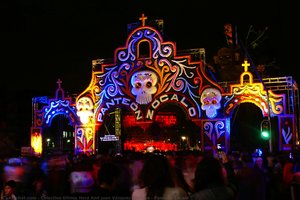
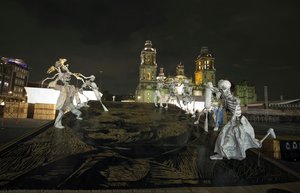
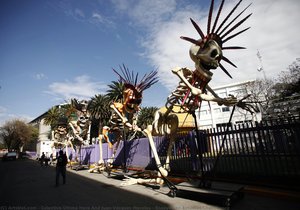
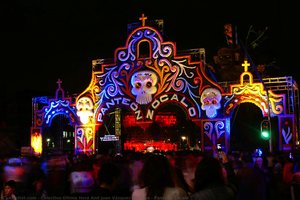
For the discerning collector or interior designer, the museum offers an unparalleled masterclass in texture, color, and craftsmanship. The permanent collection is a breathtaking mosaic of over 3,000 donated works, ranging from delicate Alfeñique sugar art and intricate textiles to robust pottery, carved wood, and shimmering metalwork. Each piece—whether it be a miniature sculpture, a hand-woven garment, or a lacquered tray—carries the fingerprint of its creator. The museum’s commitment extends far beyond its walls; it acts as a vital lifeline for artisans from remote villages, such as those in Michoacán, by providing fair access to global markets. This dedication to the living artist is most spectacularly realized during the annual Noche de Alebrijes parade, where monumental, dreamlike sculptures flood the streets of Mexico City, transforming the urban landscape into a surrealist masterpiece and ensuring that the flame of Mexican folk art continues to burn brightly for generations to come.