

A Sanctuary of Stone and Spirit: The Soul of Fidenza
In the heart of Emilia Romagna, where the ancient echoes of the Via Francigena still linger in the air, stands the Museo del Duomo e Cattedrale di Fidenza—a profound testament to the enduring dialogue between human devotion and artistic mastery. This is not merely a repository for relics; it is a living chronicle of faith etched into stone and pigment. To enter this sacred space is to step into a narrative that began in the 12th century, a journey where the very architecture serves as a bridge between the earthly and the divine. The cathedral itself, an architectural marvel of Romanesque grandeur, acts as the museum's beating heart, housing a collection that breathes with the history of a region shaped by pilgrimage and profound spiritual transformation.
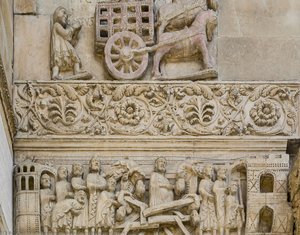
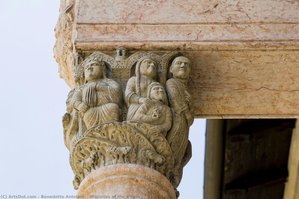
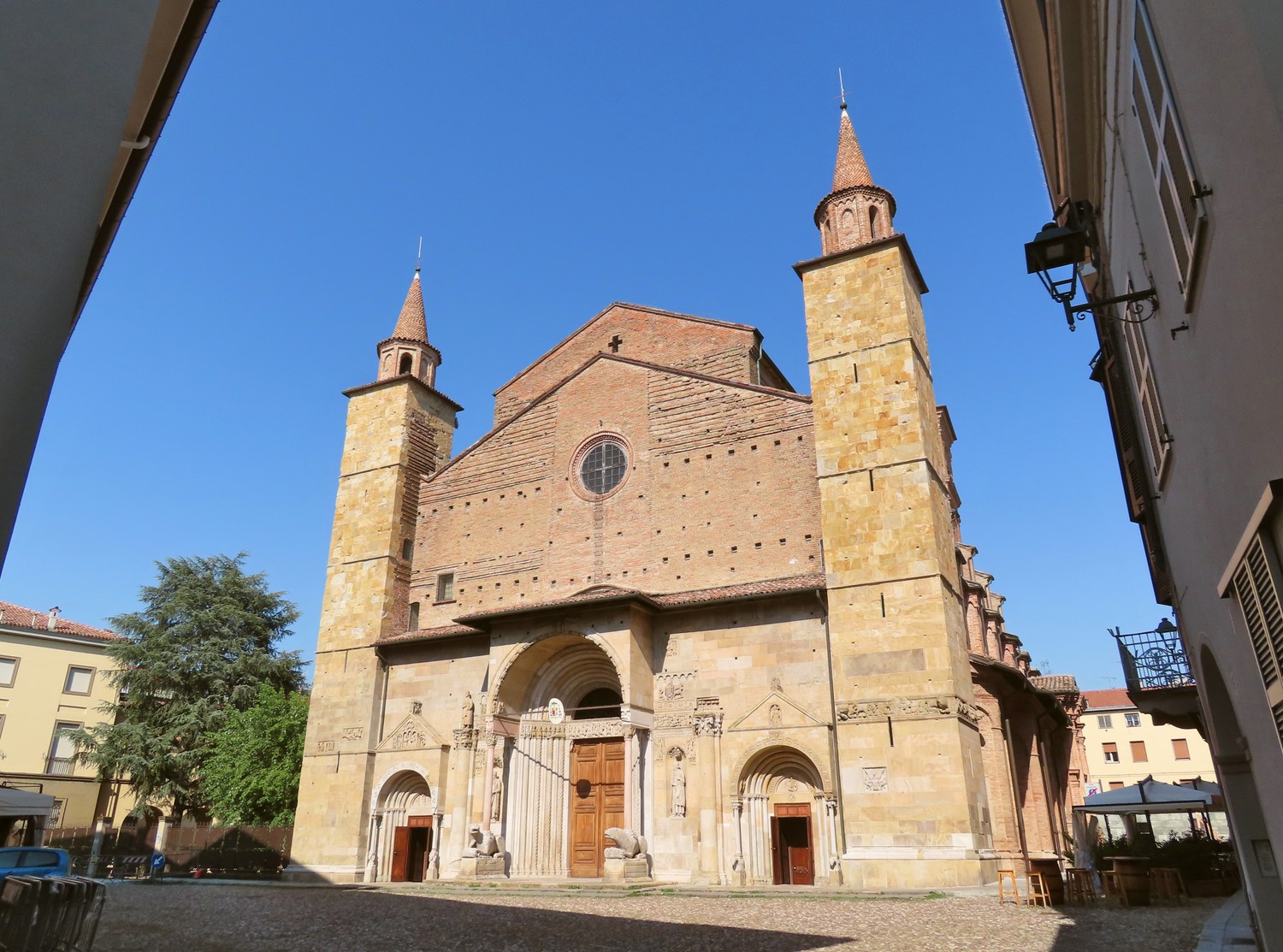
The architectural splendor of the cathedral is dominated by the masterful hand of Benedetto Antelami and his workshop. The lower façade presents a breathtaking display of Romanesque sculpture, where intricately carved portals act as gateways to a celestial story. Here, prophets gaze down with eternal solemnity, while dramatic bas-reliefs recount the martyrdom of Saint Domninus. These sculptures were never intended for mere ornamentation; they functioned as a "biblia pauperum," or bible of the poor, designed to educate and uplift the souls of pilgrims passing through this vital European artery. The unfinished upper façade remains a poignant symbol of historical ambition, leaving a sense of sublime mystery that invites the viewer to contemplate the passage of time and the persistence of artistic legacy.
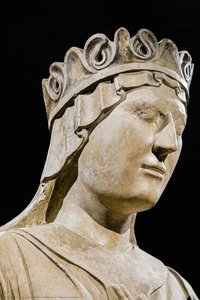
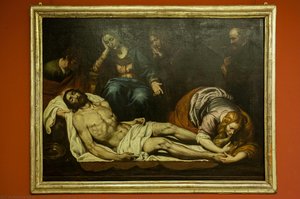
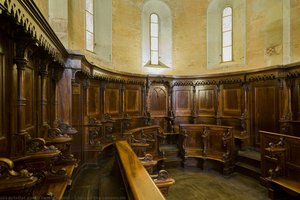
Beyond the monumental stone carvings, the museum’s collection offers an intimate encounter with the evolving aesthetics of the Renaissance and the Middle Ages. One cannot traverse these halls without being captivated by Andrea Mainardi's “Il Chiaveghino” altarpiece, a work that exemplifies the late Renaissance mastery of emotive expression and luminous color. The interior of the museum is a curated tapestry of sacred art, where medieval sculptures of immense craftsmanship stand in silent conversation with liturgical objects that have graced the cathedral’s altars for centuries. Each piece, from the delicate metalwork to the sweeping canvases, contributes to a cohesive atmosphere of reverence, offering collectors and art enthusiasts a rare glimpse into the devotional practices of a bygone era.
What truly distinguishes the Museo del Duomo e Cattedrale di Fidenza is its unique didactic essence—the way it utilizes art as a medium for spiritual instruction. The museum does not simply preserve; it illuminates. Through carefully curated exhibitions that explore regional art history and the influence of the Antelami school, the institution fosters a deep understanding of how patronage and religious fervor shaped the cultural landscape of Italy. For the interior designer seeking inspiration in classical proportions or the historian tracing the footsteps of medieval masters, this museum offers an unparalleled sensory experience, where every shadow and light-filled nave tells a story of human resilience and the eternal search for beauty.