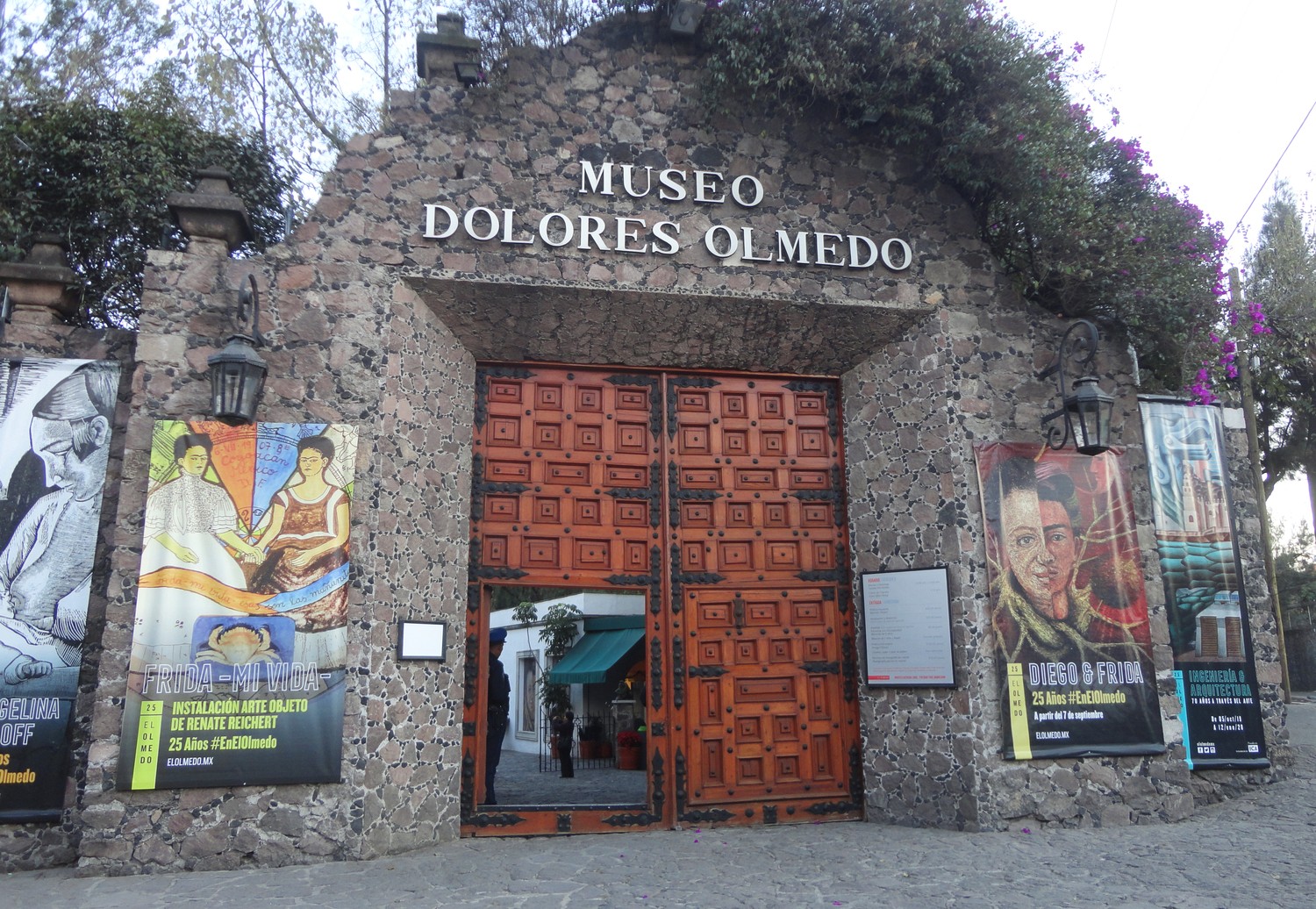


A Sanctuary of Souls: The Museo Dolores Olmedo
Nestled amidst the tranquil canals of Xochimilco, a district steeped in ancient traditions south of Mexico City, lies a place where art breathes alongside nature and the spirits of iconic Mexican artists seem to linger in the air. The Museo Dolores Olmedo is far more than just a repository of masterpieces; it is an immersive experience born from the passionate vision of Dolores Olmedo Patiño, a woman whose life intertwined intimately with the giants of 20th-century Mexican art. Her deep friendship with Frida Kahlo and Diego Rivera transformed her role from a mere collector to a devoted custodian of their legacies. This personal connection infuses every corner of the museum with an intimacy rarely found in grand institutions, where the very air hums with stories of shared meals, fervent political discussions, and the quiet companionship that blossomed between patron and artist.
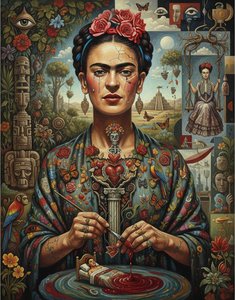
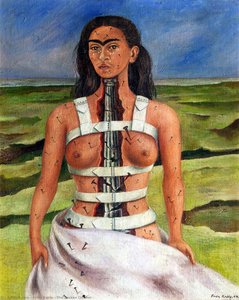
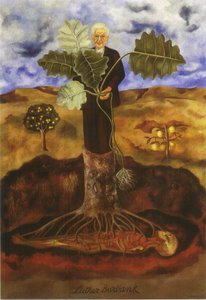
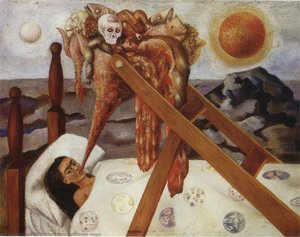
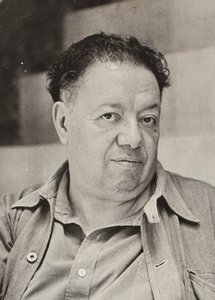
At the heart of this collection lies what is arguably the world’s most comprehensive assembly of works by Frida Kahlo and Diego Rivera. Here, one does not merely view paintings; one encounters them as windows into the artists’ very souls. The weight of emotion in Kahlo's work is palpable—the thorns piercing her skin, the monkeys symbolizing lost children, and her unwavering gaze that confronts mortality headlong. These intensely personal self-portraits hang alongside Rivera’s monumental canvases, which explode with color and narrative, depicting scenes of industrial labor, indigenous life, and revolutionary fervor. Yet, the museum's treasures extend far beyond these two titans, offering a remarkable array of pre-Hispanic figurines and sculptures that provide a poignant glimpse into Mexico's rich indigenous heritage, alongside colonial art and folk pieces that create a fascinating dialogue across centuries of artistic expression.
The museum itself is an integral part of the sensory experience, housed within the sprawling estate of La Noria, a 16th-century hacienda meticulously restored by Olmedo. The architecture exudes historical charm, where sunlight streams through arched doorways to illuminate ancient stone walls and cast shadows on intricately carved wooden furniture. However, it is the surrounding grounds that truly captivate the wandering eye. Lush gardens teem with life, featuring vibrant flowers and a delightful menagerie of animals; one might spot peacocks strutting proudly across the lawns or xoloitzcuintles —the ancient hairless dogs of Mexico—sunning themselves in quiet corners. This harmonious blend of art, architecture, and nature creates an atmosphere of profound serenity, making the museum a dream destination for interior designers seeking inspiration in organic textures and a sanctuary for collectors looking to connect with the pulse of Mexican identity.
As a living, breathing entity, the Museo Dolores Olmedo stands as a testament to a legacy of artistic patronage and cultural preservation. While plans for relocation have brought whispers of change to its future, the museum remains a vital landmark where the past feels vividly present. It is a place where the distinction between the gallery and the garden dissolves, inviting visitors to wander through a landscape that celebrates both Mexican biodiversity and the enduring power of human creativity. For anyone seeking to understand the heart and soul of Mexico, this enchanting estate offers an unforgettable journey into a world where art is not merely an object to be admired, but a living force that connects us to our history, our culture, and ourselves.