
A Palace of Artistic Echoes: The Soul of Rio de Janeiro
Rio de Janeiro is a city defined by its rhythmic pulse, a vibrant tapestry woven from sun-kissed beaches and the emerald embrace of lush rainforests. Yet, tucked within its historic heart lies a sanctuary of profound stillness and creative brilliance: the Museu Nacional de Belas Artes (MNBA). To step into this institution is to step out of the tropical heat and into a living chronicle of Brazil’s cultural evolution. Established in 1937, the museum serves as much more than a mere repository for paintings and sculptures; it is an architectural and emotional vessel that reflects a nation's enduring fascination with beauty and its complex journey toward a distinct national identity.
The very foundations of this collection are steeped in royal grandeur. The story begins not in Brazil, but in the dramatic arrival of King John VI in 1808, fleeing the Napoleonic tides in Europe. Alongside the Portuguese monarchy came a magnificent infusion of European splendor—the Royal Collection—which would irrevocably alter the artistic trajectory of the Americas. This influx of talent and treasure prompted the establishment of the National School of Fine Arts, fostering a sophisticated dialogue between established European masters and emerging Brazilian visionaries. As you wander through the halls, you are walking through a lineage that connects the opulent legacy of the Portuguese court to the blossoming of a uniquely Brazilian aesthetic.
Architectural Grandeur and the Spirit of the Louvre
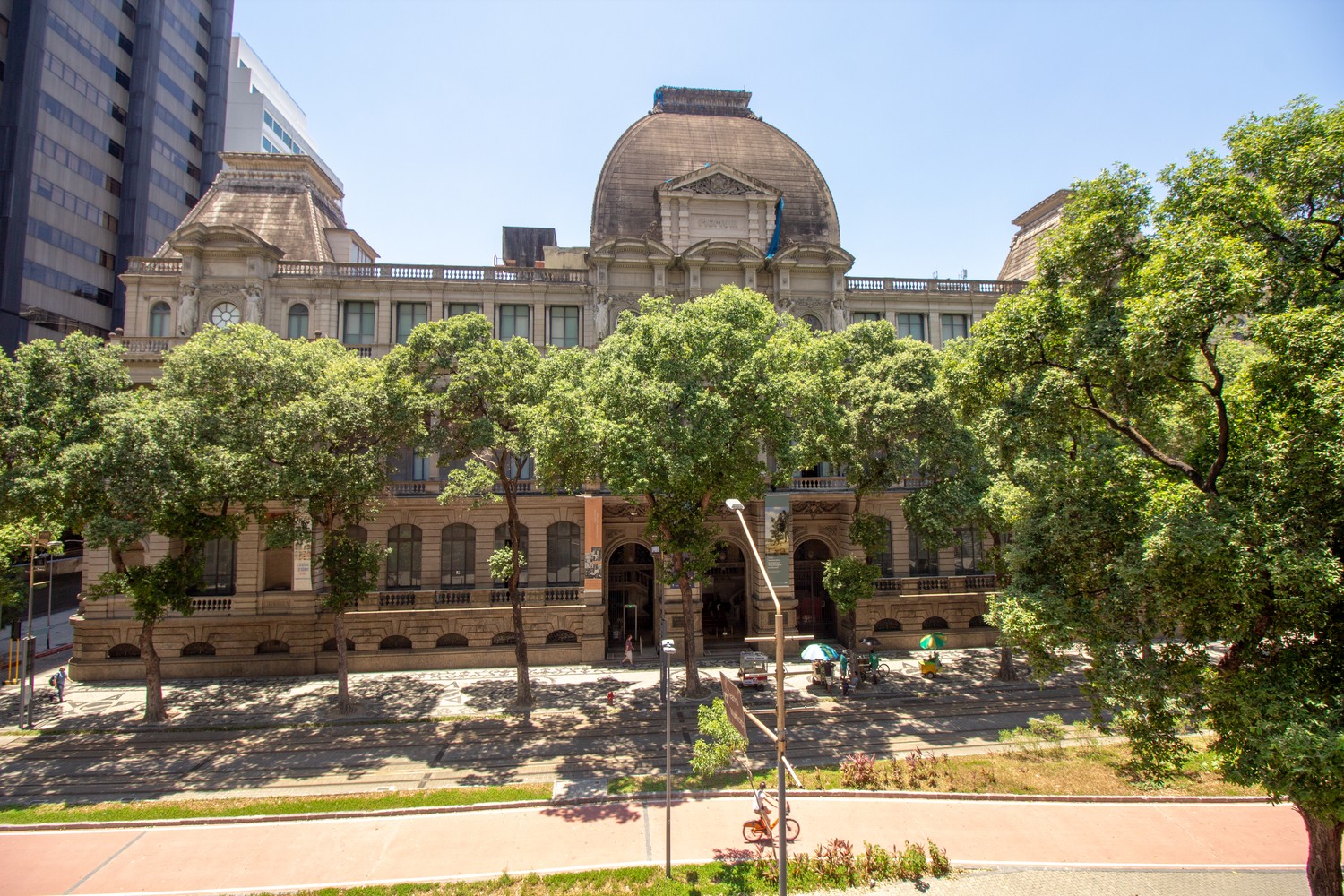
The museum’s physical presence is an artwork in its own right, a testament to architectural idealism. Designed by the Spanish architect Adolfo Morales de los Ríos and inaugurated in 1938, the building stands as a magnificent homage to the grandeur of Paris’s Louvre. Its façade is a harmonious dialogue of styles; French Renaissance elements lend an air of refined elegance to the entrance, while Italian Renaissance influences grace the side walls, embodying the humanist values of the era. For the interior designer or lover of classical aesthetics, the building offers endless inspiration, from its delicate terracotta reliefs depicting scenes of Greek mythology and Roman history to the intricate Parisian mosaics that honor the great architects and theorists of the past.
Every corner of the MNBA whispers tales of intellectual pursuit. The structure itself was born from the urban transformations of Rio's historical center, designed to house the National School of Fine Arts. This sense of purpose is etched into its very stone, creating an atmosphere where the weight of history meets the lightness of artistic inspiration. It is a place where the classical traditions of antiquity are preserved within a structure that celebrates the modernization of Brazil.
A Kaleidoscope of Visions: From Royal Legacies to National Identity
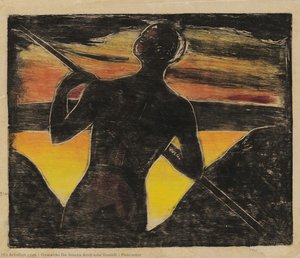
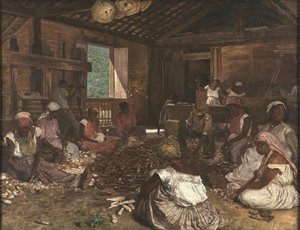
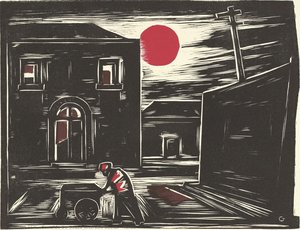
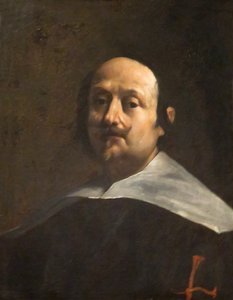
Within these hallowed halls resides a breathtaking collection of over 20,000 artworks, spanning centuries of human creativity. The museum’s core is anchored by its unparalleled mastery of 19th-century Brazilian painting and sculpture—works that capture a nation in the throes of transformative social and political change. Collectors and art enthusiasts will find themselves captivated by the works of masters such as Antônio Cândido da Cunha , Leopoldino de Faria , and the influential members of the French Artistic Mission, including Jean-Baptiste Debret and Nicolas-Antoine Taunay . These artists skillfully blended European techniques with a burgeoning Brazilian sensibility, creating a visual language that is both globally resonant and deeply local.
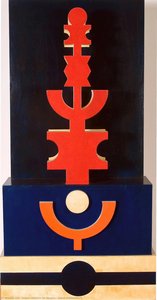
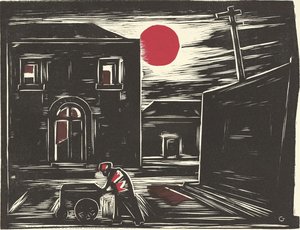
What truly distinguishes the MNBA, however, is its refusal to remain confined by tradition alone. The museum embraces a broader, more inclusive artistic panorama, integrating Brazilian folk art and African heritage into its narrative. This creates a profound cultural dialogue, illuminating the traditions passed down through generations and reflecting the multifaceted nature of Brazil’s soul. By exploring these diverse expressions—from rare marble archaeological pieces like the bust of Antínoo to contemporary installations—visitors are invited to contemplate the universality of the human experience. The MNBA is not merely a museum; it is an incubator of curiosity, a place where the echoes of the past and the innovations of the present converge to inspire the creators of tomorrow.