
A Tapestry of Time: The Soul of Upper Clydesdale
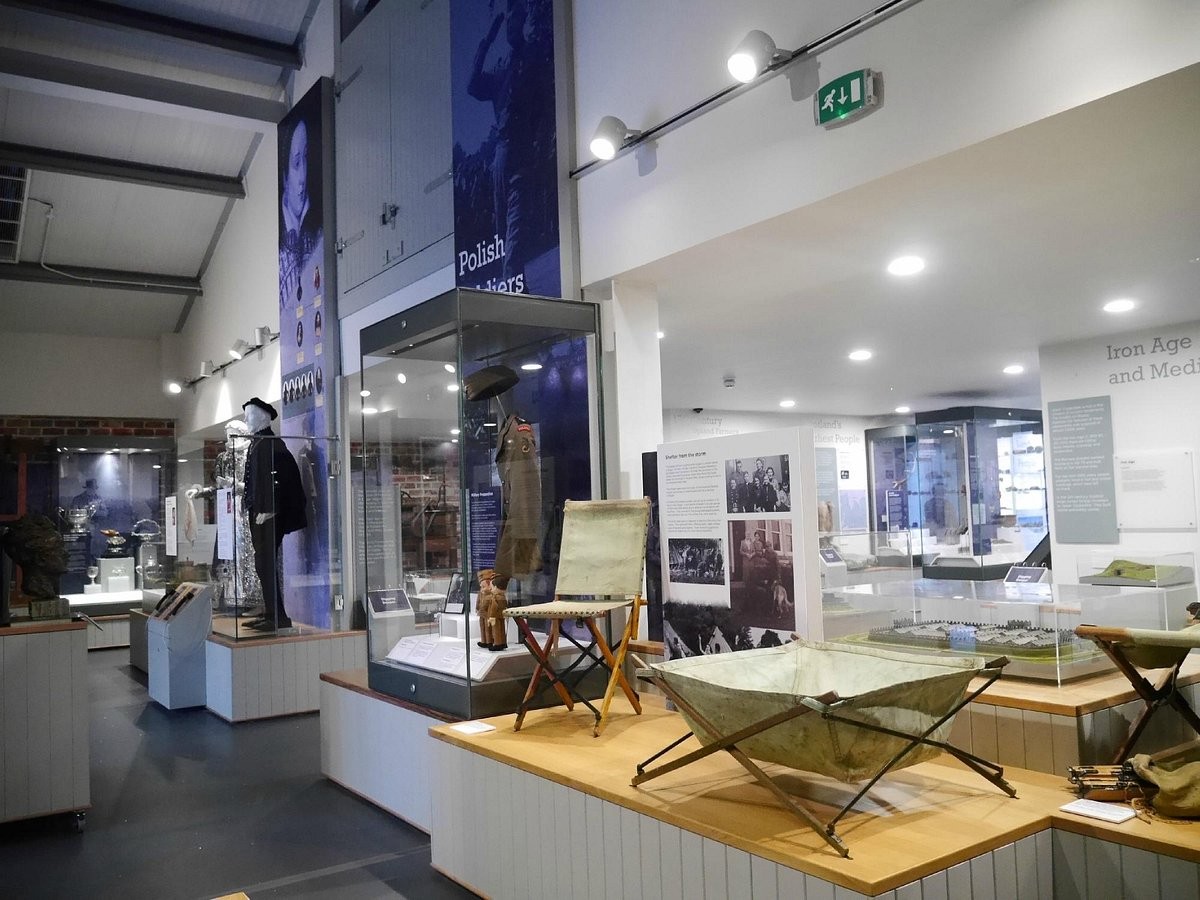
To enter the Museum of Biggar and Upper Clydesdale is to step into a living chronicle, where the very air seems heavy with the whispers of fourteen millennia. It is not merely a repository for the forgotten, but an immersive journey through the marrow of Scotland’s rural identity. For the art lover and the historian alike, the museum offers a profound connection to the land, presenting a meticulously curated narrative that spans from the prehistoric dawn to the transformative mid-20th century. The collection is a breathtaking assemblage of local heritage, where archaeological treasures—remnants of Stone and Bronze Age settlers—serve as the foundational threads in a vast, historical tapestry. These artifacts do more than occupy glass cases; they act as silent witnesses to the enduring relationship between the people and the rugged landscape of South Lanarkshire.
Industrial Echoes and Literary Whispers
The museum’s narrative strength lies in its ability to balance the raw, mechanical power of industry with the delicate, lyrical beauty of Scottish literature. One cannot traverse these galleries without encountering the monumental presence of the Biggar Gasworks Museum. As one of Scotland’s last surviving examples of such an industrial monument, it offers a striking visual and tactile encounter with a bygone era of technological innovation. For the interior designer or collector of historical aesthetics, the preserved machinery provides an unparalleled glimpse into the textures of progress—a study in iron, steam, and the societal transformation that preceded widespread electrification.
In poignant contrast to this industrial grit lies the serene elegance of Brownsbank Cottage. Once the residence of the celebrated Scottish poet Hugh MacDiarmid, the cottage serves as a sanctuary for the literary spirit. Here, the museum fosters a unique writer-in-residence program, ensuring that the cultural landscape of the Lowlands remains vibrant and breathing. This juxtaposition—the heavy, metallic legacy of the Gasworks against the quiet, contemplative atmosphere of the poet’s retreat—creates a compelling tension that defines the museum's character. It is a place where the grit of human labor meets the grace of human expression.
A Sanctuary of Heritage and Design
Architecturally, the museum complex is a masterclass in thoughtful integration and accessibility. The building itself is designed to be a welcoming space, prioritizing comfort for all generations while its façade reflects the traditional architectural heritage of the region. It blends seamlessly into the townscape of Biggar, acting as a bridge between the contemporary visitor and the ancient landscape. The layout is intentionally dynamic, allowing historical galleries to interact with modern exhibition spaces, creating a flow that encourages discovery rather than mere observation.
What truly distinguishes this institution, however, is its unwavering commitment to the voices of ordinary people. While many museums focus on grand, sweeping narratives of kings and conquerors, the Museum of Biggar and Upper Clydesdale celebrates the enduring spirit of the community. It is a celebration of the everyday—the lives of farmers, tradesmen, and artisans that shaped the region. For those who seek authenticity in art and history, this museum offers a rare opportunity to encounter a living testament to Scotland’s past, where every artifact tells a story of resilience, tradition, and the profound beauty found in the rural soul.