
A Tapestry of Human Existence: The Soul of MARKK
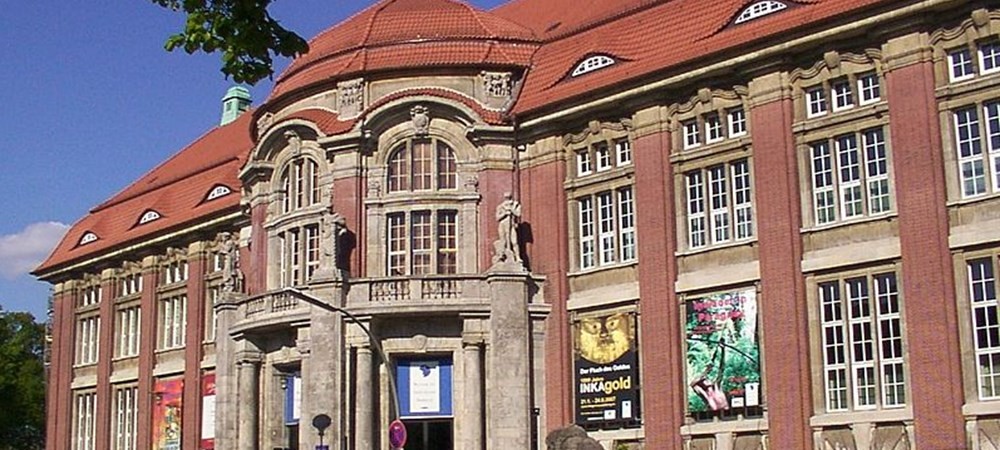
In the heart of Hamburg’s elegant Rotherbaum quarter, where the city's academic pulse meets a quiet, leafy grace, lies the Museum of Ethnology Hamburg—known to many as MARKK. To step through its doors is to embark on a profound journey across time and geography, leaving the modern bustle of Germany behind for a world defined by the boundless diversity of the human spirit. This is not merely a repository of objects; it is a living dialogue between the past and the present, a sanctuary where over 350,000 artifacts whisper the stories of civilizations long vanished and cultures still vibrantly alive. For the art lover or the discerning collector, MARKK offers more than just a viewing experience; it provides an emotional encounter with the very essence of human creativity and survival.
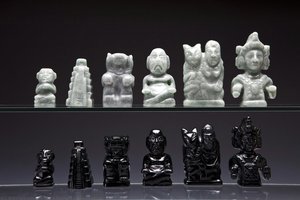
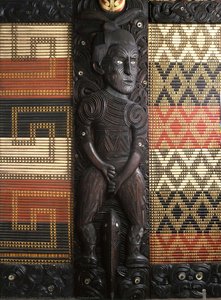
The collection itself is a breathtaking mosaic of global heritage, curated with a depth that commands reverence. One might find themselves mesmerized by the intricate sculptures of the Maya civilization, where every carved line in stone or ceramic serves as a window into Mesoamerican cosmology and an ancient, sophisticated artistic prowess. The journey continues through the lush, spiritual landscapes of Indonesia, where exquisitely crafted Balinese masks and textiles emerge from the shadows, embodying the complex Hindu mythologies and ritualistic traditions of the islands. These pieces do more than decorate a space; they possess a rhythmic energy that speaks to the universal human desire to imbue the material world with sacred meaning.
Architectural Harmony and the Legacy of Discovery
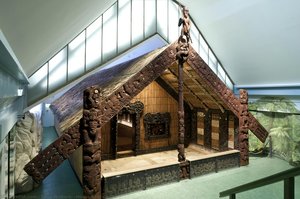
The museum’s physical presence is as much a masterpiece as the treasures it houses. The architecture of MARKK achieves a rare, poetic balance between classic grandeur and contemporary innovation. Designed to bathe its galleries in a soft, natural light, the building creates an atmosphere of contemplative stillness, inviting visitors to linger over the fine details of tribal motifs. Even the façade pays homage to its mission, incorporating striking geometric patterns that subtly echo the aesthetic language of the ethnographic arts within. It is a space where the structure itself serves as a bridge between the modern viewer and the ancient artisan.
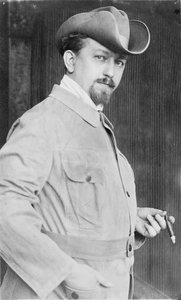
This architectural elegance is underpinned by a storied history rooted in the late 19th century. Born from a modest library collection in 1849 and formally established as a museum in 1879, MARKK’s evolution is inextricably linked to the pioneering spirit of Georg Christian Thilenius. As an anthropologist and director, Thilenius championed the importance of rigorous documentation and the preservation of cultural essence, a commitment that remains the museum's North Star. His legacy of exploration ensures that every exhibit is treated not as a static relic, but as a vital piece of a larger, interconnected human narrative.
A Living Institution for the Modern Era
What truly distinguishes MARKK from other ethnographic institutions is its refusal to remain anchored solely in the past. The museum consistently pushes the boundaries of exhibition design, utilizing immersive multimedia installations and interactive displays that transform a simple walk through a gallery into a visceral, sensory experience. Recent exhibitions have masterfully tackled the complexities of globalization and cultural exchange, prompting visitors to reflect on how our modern, interconnected world continues to shape—and be shaped by—the traditions of indigenous peoples.
For interior designers and lovers of fine aesthetics, the museum serves as an unparalleled source of inspiration. The textures, patterns, and symbolic weight found within its walls offer a profound lesson in how art can define an environment and evoke deep-seated emotions. MARKK does not simply ask us to observe; it invites us to understand the symbolic significance behind every weave and every carving, fostering a spirit of curiosity that celebrates the magnificent, complex beauty of our shared planet.