

A Window into Gifu’s Artistic Soul
Nestled within the scenic landscapes of the Kanō Danchi Line, the Museum of Fine Arts, Gifu serves as a profound testament to Japan's enduring dedication to preserving its cultural heartbeat. Since its establishment in 1982, this institution has functioned as much more than a mere repository for relics; it is an immersive sanctuary designed to illuminate the creative spirit of the Gifu Prefecture and its intricate connections to the broader tapestry of global art history. To step through its doors is to embark on a journey that transcends time, where the ancient whispers of Nara-era sculptures meet the vibrant, pulsing energy of contemporary masterpieces. The museum acts as a vital cultural bridge, anchoring local traditions—such as the exquisite ceramics born from the kilns of Toki City—within a larger international dialogue, making it an essential destination for those who seek to understand the profound evolution of Japanese aesthetics.
The collection itself is a rich, multi-sensory odyssey, offering a breathtaking diversity of mediums that cater to the most discerning eyes. Visitors can find themselves lost in the delicate elegance of silk textiles, the rhythmic precision of calligraphy scrolls, and the powerful presence of monumental sculptures. One cannot help but be moved by the museum's thematic depth, particularly in how it explores the spiritual intersections of art and belief. The subtle influence of Zen Buddhism on landscape painting is palpable throughout the galleries, inviting a sense of meditative stillness. Furthermore, the museum celebrates the legendary craftsmanship of figures like Tomimoto Kenkichi , a Living National Treasure whose celebrated zelkova shelves and ceramics represent a masterclass in technical perfection. This curation does not merely display objects; it tells a story of human ingenuity, from the rugged beauty of Oribe ceramics to the evocative, martial-themed depictions of samurai life by Shinmen Takezō.
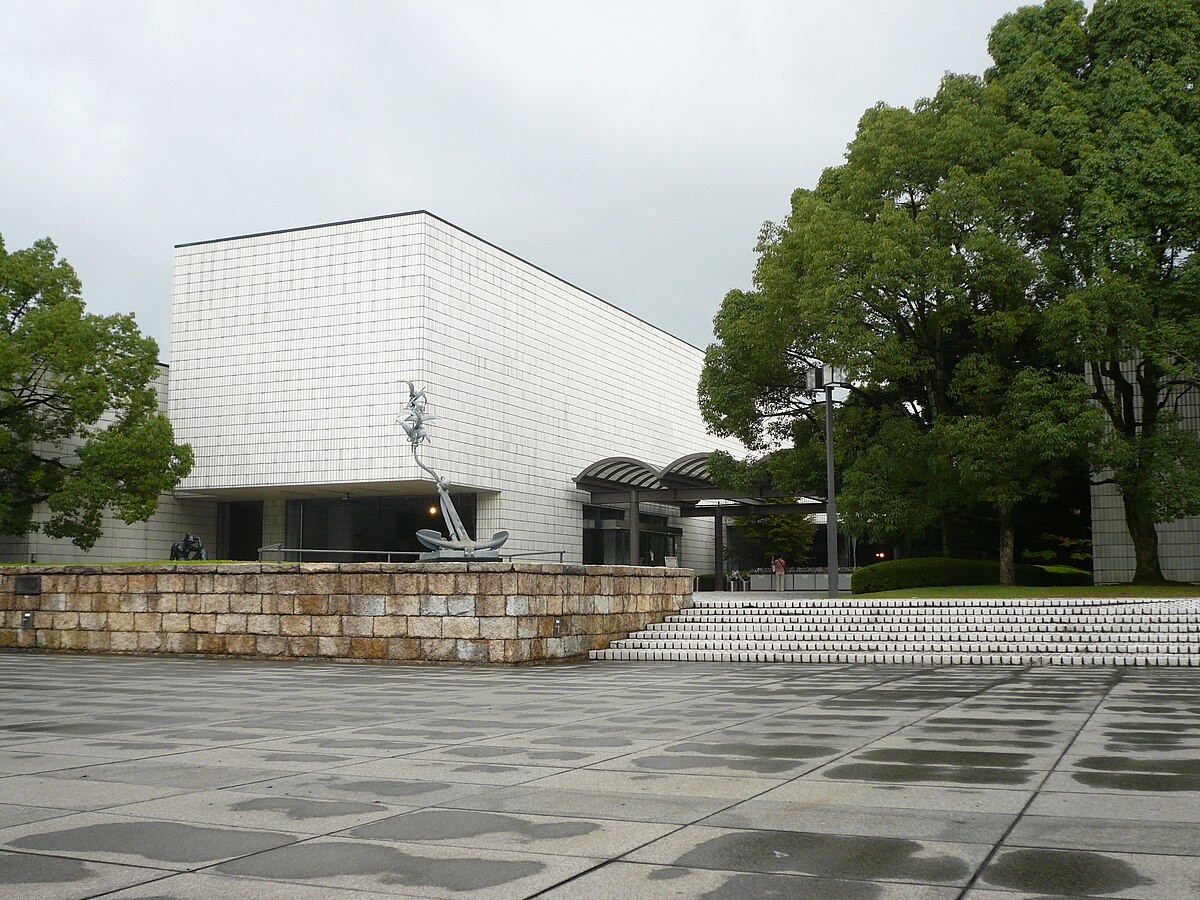
Architecturally, the museum embodies a modern aesthetic that prioritizes the emotional resonance of the viewing experience. The galleries are thoughtfully designed with an emphasis on spaciousness and the strategic use of natural light, creating an ethereal environment where art can breathe and interact with its surroundings. This luminous atmosphere is particularly conducive to the contemplation required when facing works influenced by the masters Kaiho Yusho and Liang Kai . The spatial arrangement encourages a fluid movement through history, ensuring that each exhibition feels like a discovery rather than a lesson. Whether one is visiting for a specialized showcase, such as the acclaimed masterpiece selections, or simply seeking refuge in its tranquil halls, the museum provides an unparalleled setting for both scholarly study and aesthetic inspiration.
What truly distinguishes the Museum of Fine Arts, Gifu, is its intimate yet expansive perspective. While larger national institutions may prioritize a broad, often superficial breadth, this museum offers a profound depth of focus on the regional heritage that defines the Japanese identity. It remains a vibrant, living entity through ongoing educational initiatives and collaborative projects that invite the community to participate in the creative process. For the art collector or the interior designer, the museum serves as a premier source of inspiration, showcasing how traditional motifs and ancient techniques can be reimagined within a modern context. It is a place where the legacy of the past and the innovation of the future coexist, offering an unforgettable encounter with the very essence of Gifu’s artistic soul.