
A Legacy Etched in Stone and Canvas: The Soul of Lyon
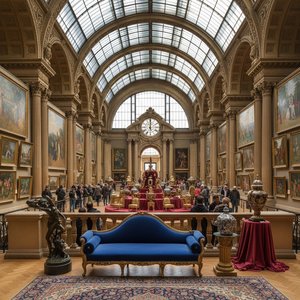
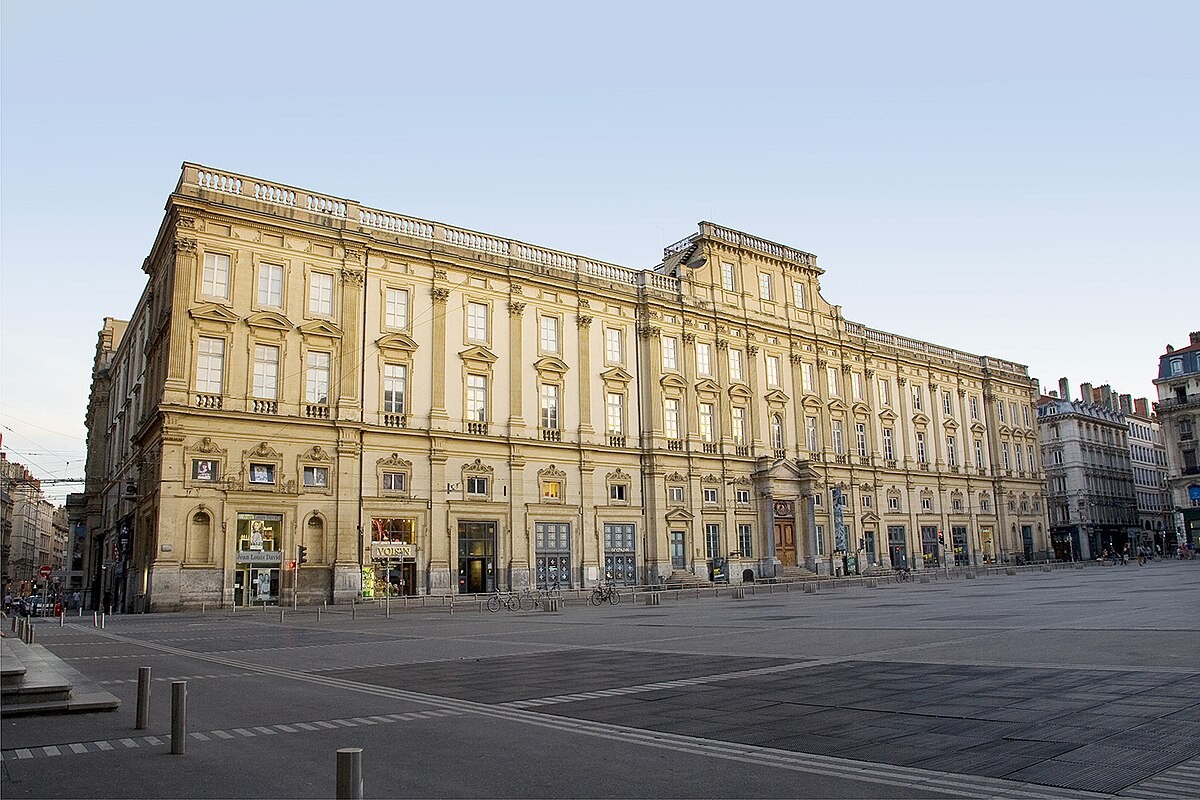
To step into the Musée des Beaux-Arts de Lyon is to wander through a living chronicle of human creativity, where the boundaries between architectural grandeur and artistic expression dissolve. Situated within the hallowed, remarkably preserved walls of the Benedictine abbey of Saint-prime-les-Nonnains, the museum offers much more than a mere gallery experience; it provides an immersive journey through five centuries of evolution. The very bones of the building narrate a story of transformation, from its origins as a royal sanctuary dedicated to Saint Peter to its current status as a beacon of intellectual curiosity. As one moves through the space, the scent of beeswax and the quiet reverence of the historic cloister create an atmosphere palpable with history, where the monumental vaulted ceilings—adorned with frescoes by Thomas Blanchet—evoke the fervent religious devotion of a bygone era.
The architectural significance of the museum is inseparable from its collection, creating a harmonious juxtaposition of styles that reflects Lyon’s ascent as a center of mercantile ambition and civic pride. The magnificent refectory, featuring grand works by Jean-Baptiste Oudry and François Boucher, exemplifies the breathtaking scale of Baroque grandeur, while the soaring staircase designed by Blanchet leads the eye toward stained glass windows that symbolize spiritual aspiration. This setting provides a profound backdrop for the museum’s unparalleled collection, which spans from the silent mysteries of Ancient Egypt to the vibrant, light-drenched canvases of the modern age. For the art lover, this architectural dialogue between the sacred and the secular offers a rare opportunity to witness how space and structure can elevate the emotional resonance of the masterpieces housed within.
A Tapestry of Movements: From Classical Idealism to Impressionist Light
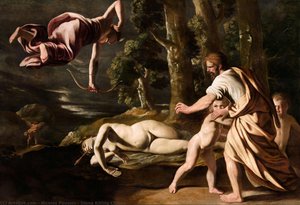
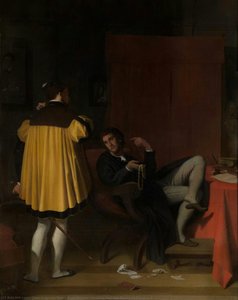
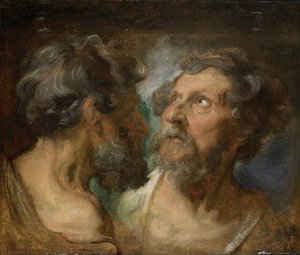
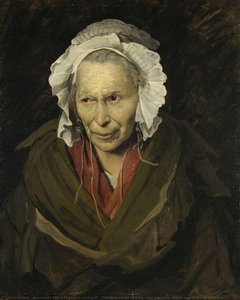
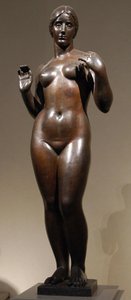
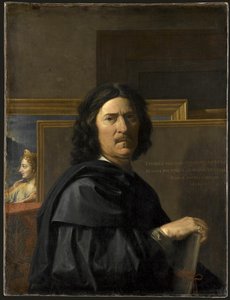
Within these storied walls, a breathtaking panorama of artistic expression unfolds, inviting visitors to traverse continents and eras. The collection serves as a masterful distillation of human emotion, moving seamlessly from the serene, structured landscapes of Nicolas Pulssin’s classical ideals to the visceral, turbulent energy of Théodore Géricault’s The Raft of Medusa . One can feel the dramatic shift in the air as the museum transitions into the Romantic era, where the canvases of Eugène Delacroix pulsate with a revolutionary fervor and a mastery of color that captures the very heartbeat of French republican ideals. This emotional depth is further enriched by the presence of Auguste Rodin’s sculptural masterpieces, such as The Thinker and Eve , which embody humanist contemplation and convey a psychological depth that remains strikingly modern.
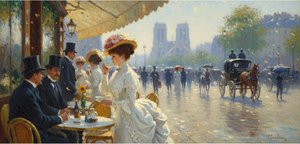
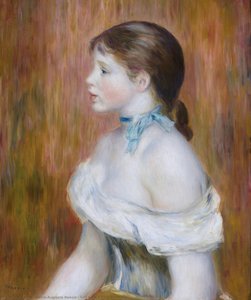
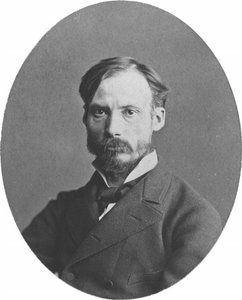
As the narrative progresses toward the late 19th century, the museum captures the pivotal moment when light itself became a subject of study. The shimmering, fleeting impressions of Claude Monet and Pierre-Auguste Renoir bring a sense of ephemeral beauty to the galleries, their works acting as windows into the sun-drenched gardens of Giverny. This journey does not rest in the past, however; the museum boldly embraces the challenges of modernity through the works of Matisse and Picasso, whose explorations of form and abstraction redefine aesthetic boundaries. For collectors and interior designers alike, these works represent a profound dialogue between tradition and innovation, offering timeless inspiration that transcends the era of their creation.
A Living Institution: Engaging the Contemporary Spirit
What truly distinguishes the Musée des Beaux-Arts de Lyon is its unwavering commitment to fostering a continuous dialogue between the past and the present. The museum does not merely preserve history; it actively shapes contemporary discourse through meticulously curated temporary exhibitions that explore themes of identity, social justice, and environmental responsibility. By bringing recent explorations of Surrealism and Postmodern Art to the forefront, the curators ensure that the museum remains a vital, breathing entity that prompts critical reflection in its audience. This dedication to engagement extends beyond the galleries into educational workshops and lectures, cultivating a lifelong appreciation for the arts among visitors of all ages.
Ultimately, a visit to this institution is a pilgrimage into the very soul of Lyon—a city defined by its silk-weaving traditions, its printing heritage, and its role as the birthplace of cinema. The museum stands as a tangible embodiment of this enduring spirit, offering a tranquil sanctuary for contemplation within its historic abbey cloister. Whether one is drawn by the technical brilliance of an Impressionist brushstroke or the historical weight of a Baroque masterpiece, the Musée des Beaux-Arts de Lyon remains an essential destination, inviting every observer to find their own place within the grand, unfolding tapestry of human history.