
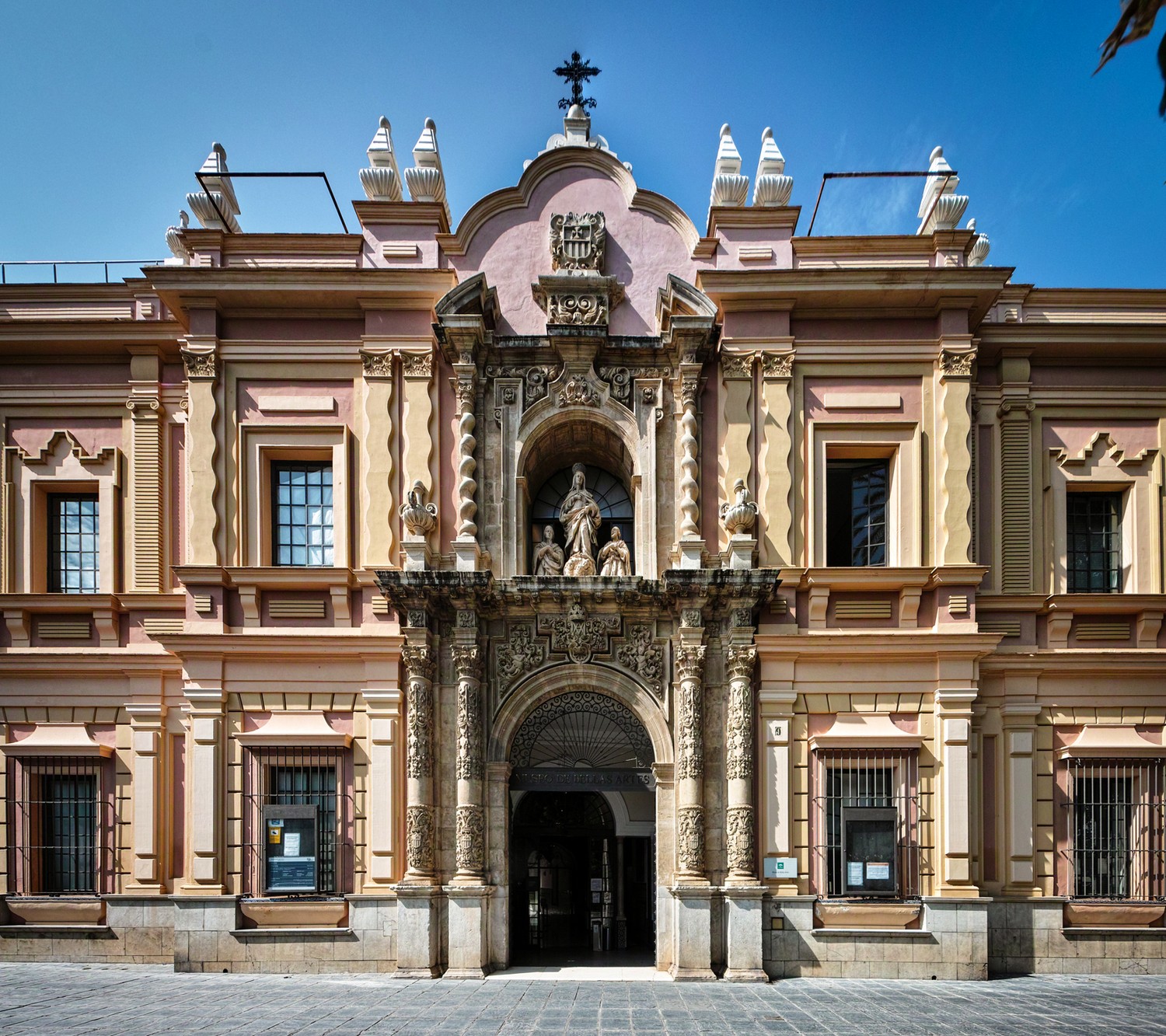
A Golden Legacy in the Heart of Andalusia
To step into the Museum of Fine Arts of Seville is to surrender to the profound stillness of Spain’s Golden Age. As the second most significant art repository in the country, this sanctuary offers far more than a mere gallery walk; it provides an intimate encounter with the soul of Sevillian identity. The museum serves as a luminous chronicle of Spanish visual arts, tracing a breathtaking trajectory from the solemnity of the medieval period through the dramatic heights of the early 20th century. For the discerning collector or the lover of classical beauty, the halls resonate with a sense of timelessness, where every brushstroke tells a story of devotion, triumph, and the enduring human spirit.
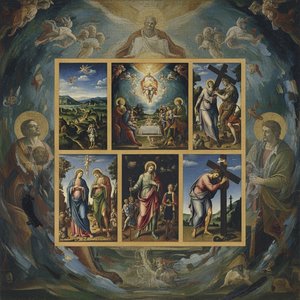
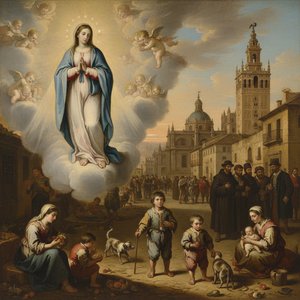
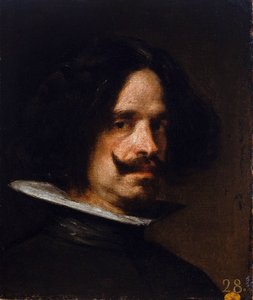
The true heartbeat of the collection lies in its unparalleled mastery of 17th-century Sevillian Baroque. Here, the walls breathe with the works of luminaries such as Murillo, Zurbarán, Francisco de Herrera the younger, and Valdés Leal. These masters did not merely paint; they captured the very essence of spiritual fervor. Their canvases, characterized by a breathtaking interplay of light and shadow, depict religious iconography with a visceral, emotional depth that remains startlingly modern. To stand before a Murillo is to witness a delicate tenderness, while the works of Zurbarán command a monastic, sculptural gravity. This concentrated exploration of the Sevillian school allows visitors to immerse themselves in a specific regional brilliance, making the museum a pilgrimage site for those seeking the pinnacle of Andalusian artistic tradition.
Architectural Grace and Historical Depth
The setting of this collection is as much a masterpiece as the paintings it protects. The museum resides within a magnificent architectural ensemble that whispers of its monastic origins. Originally conceived in 1594 as the convent of the Order of the Merced Calzada de la Asunción, the structure was born from the piety of St. Peter Nolasco. Through the visionary remodeling led by architect Juan de Oviedo y de la Bandera, this sacred space was transformed into a grand monument of artistic innovation. The transition from a cloistered convent to a public treasure is felt in every corridor, where the solemnity of the building’s religious roots harmonizes perfectly with the sacred themes of the artworks housed within.
Since its formal establishment in 1835, the museum has meticulously curated a legacy that transcends simple preservation. It has evolved into a dynamic institution, hosting notable exhibitions that bridge the gap between local heritage and European dialogue. While the collection is anchored by the Sevillian masters, the presence of El Greco introduces a celestial, ethereal dimension, blending Venetian influences with the distinctive Spanish style of elongated figures and haunting halos. For interior designers and art enthusiasts alike, the museum represents a masterclass in how history, architecture, and fine art can coalesce to create an atmosphere of incomparable prestige and cultural depth.