

A Sanctuary of Spanish Splendor: The Museu de Belles Arts de València
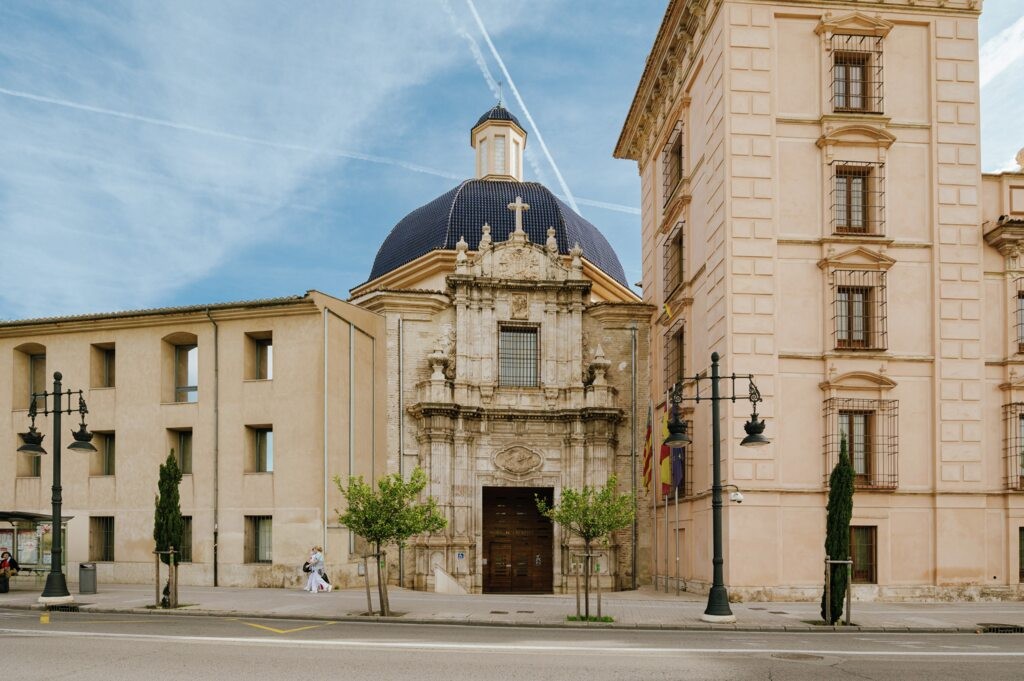
To step into the Museu de Belles Arts de València is to transcend the modern bustle of the city and enter a realm where time flows with the grace of a Renaissance brushstroke. Nestled within the magnificent St. Pius V Palace , the museum serves as much more than a mere gallery; it is a breathtaking architectural masterpiece in its own right. Constructed between 1693 and 1708 under the ambitious patronage of Cardinal Giuseppe Pozzo di Borbone, the palace itself is a triumph of Baroque grandeur. As visitors wander through its soaring halls, they are greeted by opulent frescoes and intricate sculptures that mirror the very essence of the treasures housed within. For the art lover or the interior designer seeking inspiration, the museum offers a profound lesson in how architecture and fine art can coalesce to create an atmosphere of unparalleled prestige and historical depth.
The heart of the collection beats with the rhythm of Spanish history, spanning from the 14th to the 19th centuries. It is a curated journey through the evolution of European identity, where every canvas tells a story of spiritual fervor or social change. One cannot traverse these halls without being moved by the intimate genius of Velázquez , whose self-portrait offers a hauntingly personal encounter with a master. The collection further illuminates the dramatic tension of the Mannerist style through El Greco’s St. and John the Baptist , a work that radiates an almost otherworldly light. The museum also preserves the playful, enlightened spirit of Goya in his Playing Children , alongside the meticulous Renaissance craftsmanship found in Gonzalgo Pérez’s intricate altarpieces. This seamless blend of diverse movements ensures that every corner of the museum offers a new discovery, making it an essential pilgrimage for those who appreciate the technical mastery of the Old Masters.
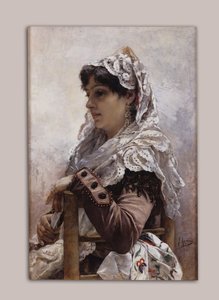
Beyond the legendary names of the Spanish canon, the museum celebrates the luminous soul of Valencia itself through its vibrant depictions of light and local life. The works of Joaquín Sorolla y Bastida act as a sun-drenched window into the Mediterranean spirit. His masterpieces, such as On the Beach, Valencia and Midday at Valencia Beach , utilize an Impressionistic technique to capture the fleeting dance of sunlight on water and the rhythmic vitality of the coast. These paintings, characterized by their brilliant palettes and fluid movement, provide a stunning contrast to the more somber, historical works in the collection. Complemented by the atmospheric landscapes of Julio Peris Brell and the social realism of Antonio Fillol Granell , the museum presents a complete narrative of a region deeply connected to its landscape and traditions.
What truly distinguishes the Museu de Belles Arts is its commitment to being a living, breathing institution. It is not a static monument to the past but a dynamic space that continues to foster dialogue through groundbreaking exhibitions exploring themes of memory, identity, and social evolution. From the captivating architectural fantasies found in the engravings of Piranesi to the profound sculptural collections that trace the path from Baroque to Neoclassical, the museum offers an immersive sensory experience. With its doors open to all through free admission, it remains a democratic beacon of culture, inviting collectors, scholars, and dreamers alike to lose themselves in the enduring beauty of the Spanish artistic legacy.