

A Symphony of Wood and Stone: The Soul of Szydłowiec
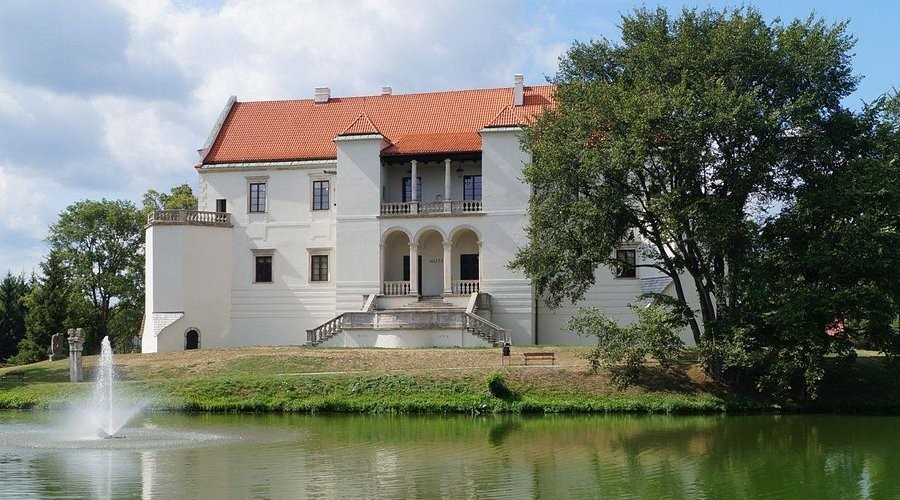
In the heart of Poland’s Mazovia province, where history breathes through the ancient stones of the Szydłowiecki and Radziwiłł Castle, lies a sanctuary dedicated to the ephemeral beauty of sound. The Museum of Folk Musical Instruments in Szydłowiec is not merely a repository of artifacts; it is a living archive of the Polish spirit, capturing the rhythmic pulse of rural life that has echoed through the centuries. To step into this museum is to embark on a sensory journey where the visual grandeur of Renaissance architecture meets the intimate, tactile stories of folk tradition. For the art lover and the collector of cultural narratives, this institution offers a rare glimpse into a world where music was not just entertainment, but the very heartbeat of community identity.
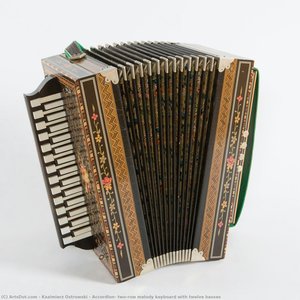
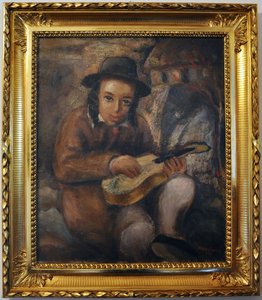
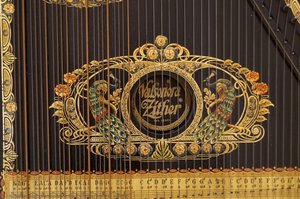
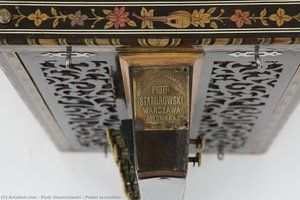
The museum’s collection is a breathtaking tapestry of craftsmanship, showcasing an astonishing array of instruments that bridge the gap between nature and art. Visitors are greeted by the delicate silhouettes of stringed instruments—fiddles and lutes that carry the ghosts of ancient melodies—alongside the breathy, evocative tones of flutes and clarinets. Percussion pieces, from resonant drums to rhythmic rattles, complete a collection that celebrates the ingenuity of local artisans. Each instrument serves as a sculptural masterpiece, reflecting the textures of the wood and the meticulous hands of the craftsmen who shaped them. This collection is particularly significant for its focused dedication to the Szydłowiec region, offering an unparalleled depth of study into how specific geographic landscapes influence the very sounds produced by their people.
The setting itself provides a dramatic backdrop that elevates the museum experience to something truly cinematic. Housed within a magnificent example of Renaissance architecture, the castle’s revitalized halls offer an immersive atmosphere of prestige and antiquity. The restoration of the Szydłowiecki and Radzi\u017ct\u0142aw Castle between 2013 and 2014 has breathed new life into these historic walls, creating a space where the weight of history complements the lightness of musical notation. This architectural splendor serves as a silent conductor, guiding visitors through an environment where every corridor feels like a passage through time, connecting the modern observer to the era of the Polish nobility and the humble folk musicians alike.
What truly distinguishes this institution is its innovative approach to preservation, most notably seen in its landmark exhibition, Instrumenty… – zobaczyć i usłyszeć tradycję . Moving beyond the traditional static display, the museum utilizes multimedia elements—such as touchscreens featuring authentic instrument soundtracks and film footage documenting historical lineages—to ensure that the music is not just seen, but heard. This marriage of the ancient and the contemporary makes the museum a vital destination for interior designers seeking inspiration in heritage motifs and for scholars pursuing the nuances of ethnographic research. It remains a singular, world-class institution, standing as a beacon of artistic preservation and a profound testament to the enduring power of Poland's musical legacy.