
A Coastal Sanctuary of Light and Impressionism
Nestled along the windswept shores of the Seine Estuary, where the maritime spirit of Normandy meets the horizon, the Museum of Modern Art André Malraux—affectionately known as MuMa—stands as a luminous beacon of cultural resilience. To step into this museum is to enter a profound dialogue between the sea and the canvas. Founded in 1961 as a symbol of Le Havre’s rebirth following the devastation of World War II, the institution was born from a deep-seated desire to honor the legacy of André Malraux and to provide a sanctuary for the fleeting beauty of light. For the art lover, it offers a rare intimacy; for the collector, it presents a masterclass in the evolution of modern vision; and for the interior designer, it serves as an eternal inspiration of color palettes drawn directly from the salt-sprayed cliffs and shimmering tides.
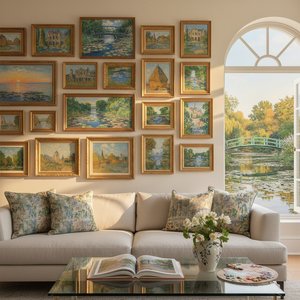
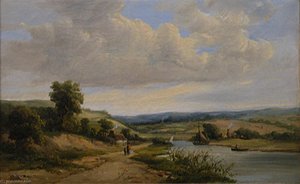
The soul of MuMa resides in its unparalleled Impressionist treasury, a collection that rivals even the Musée d’Orsay in its concentrated brilliance. The museum pays a particularly poignant tribute to Eugène Boudin, the Normandy native whose mastery of atmosphere laid the groundwork for the Impressionist revolution. His canvases, which capture the raw, ephemeral textures of the Pourville cliffs, breathe life into the gallery spaces, inviting viewers to feel the damp sea mist and the warmth of a breaking dawn. This lineage of light continues through the iconic works of Claude Monet, whose explorations of perception redefined the boundaries of art, and Pierre-Auguste Renoir, whose vibrant, rhythmic depictions of life infuse the museum with a sense of joy and movement. To wander these halls is to witness the very moment when art broke free from academic rigidity to embrace the transient magic of the natural world.
From Impressionist Softness to Modernist Vigor
Beyond the soft edges of Impressionism, MuMa offers a bold encounter with the geometric vigor of the twentieth century. The collection transitions seamlessly into the dynamic realms of Fauvism and Modernism, showcasing the expressive power of Henri Matisse, whose use of color remains an essential study for anyone captivated by the emotional weight of pigment. The works of Albert Marquet and Fernand Léger further expand this narrative, moving from sweeping landscapes to the structured, industrial beauty of geometric abstraction. This progression creates a profound architectural and artistic tension within the museum, where the organic fluidity of the coast meets the calculated strength of modern thought.
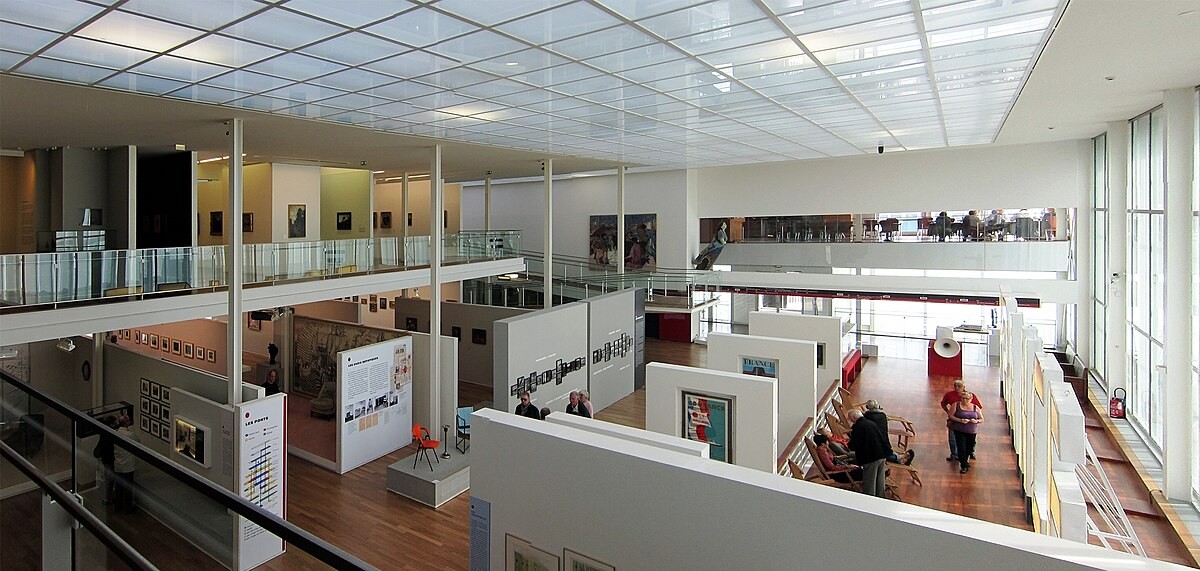
The experience of MuMa is inseparable from its architectural brilliance, a masterpiece of modernist design by Atelier LWD. The building itself acts as a vessel for light, utilizing an ingenious system of aluminum louver blades designed by the legendary engineer Jean Prouvé. These elements do more than just shelter the art; they curate the environment, filtering the sunlight to mimic the shifting luminosity of the estuary outside. This seamless integration of glass, steel, and sea ensures that the museum is not merely a container for masterpieces, but an active participant in their presentation. It is this rare harmony of structural innovation and historical depth that makes MuMa an essential pilgrimage for those who seek to understand how art, architecture, and nature converge to create something truly transcendent.