
A Gateway Between Worlds: The Soul of Odesa
In the sun-drenched, historic port city of Odesa, where the salt air of the Black Sea meets a legacy of maritime grandeur, lies a sanctuary of profound cultural convergence. The Museum of Western European and Oriental Art is not merely a repository of objects, but a living dialogue between disparate worlds. Since its inception in 1923, this institution has served as a bridge, connecting the refined aesthetic sensibilities of the European Renaissance and Baroque eras with the intricate, soulful traditions of the Orient. To wander through its halls is to embark on a journey that transcends borders, offering a rare opportunity to witness how the brushstrokes of the West and the delicate motifs of the East have danced together across the tapestry of human history.
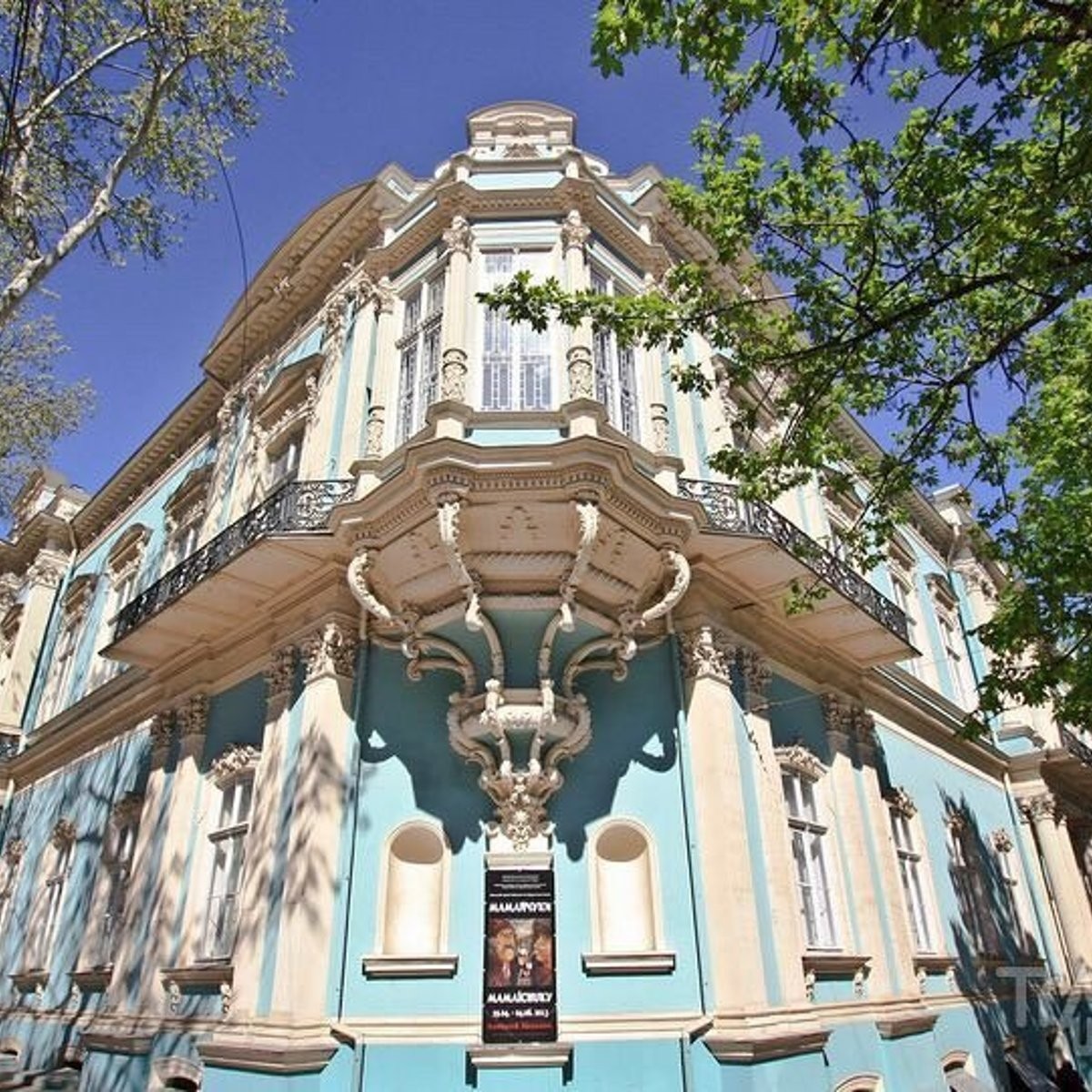
The museum’s physical presence is as much a masterpiece as the treasures it protects. Housed within an exquisite palazzo constructed between 1856 and 1858 by the architect Otto, the building itself is a testament to mid-century European eclecticism. The architecture breathes with a harmonious blend of Baroque grandeur , Rococo ornamentation , and a sense of Imperial solidity . For the interior designer or the lover of classical aesthetics, the setting provides an unparalleled atmosphere of sophisticated nostalgia. Every corner of this architectural gem reflects the era's passion for ornamental beauty, creating a dramatic backdrop that elevates the viewing experience of the artworks within.
A Curated Tapestry of East and West
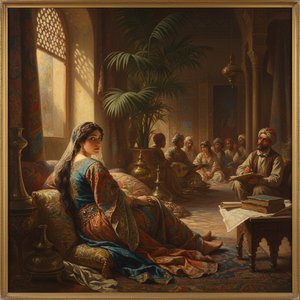
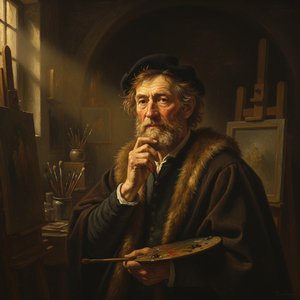
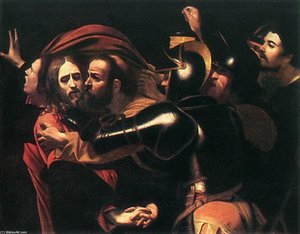
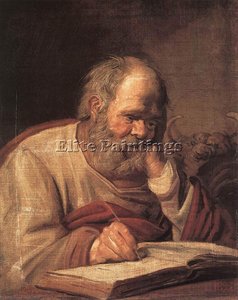
The collection itself is a curated marvel, possessing a certain mystique shaped by the complexities of its historical context. While the museum’s soul remains anchored in its diverse holdings, visitors can find themselves mesmeramezed by the evolution of Western European expression—from the profound spiritual depth of Renaissance frescoes to the dramatic, light-swept movements of Baroque sculpture. This European narrative is beautifully juxtaposed against the rich, evocative textures of Oriental art, creating a unique tension and harmony that is seldom found in a single institution. It is this very duality—the meeting of the Western gaze with Eastern tradition—that defines the museum’s unique identity.
Beyond its permanent treasures, the museum continues to foster a dynamic cultural exchange through exhibitions that celebrate both local and international talent. By showcasing collaborations between Ukrainian artists and their global counterparts, the institution ensures that its mission of intercultural dialogue remains vibrant and contemporary. For the collector seeking inspiration or the art enthusiast searching for a deeper understanding of our shared human heritage, the Museum of Western European and Oriental Art stands as an essential destination—a place where history is not just remembered, but vividly felt through the enduring power of artistic beauty.