

A Sanctuary of American Spirit: The Soul of Cooperstown
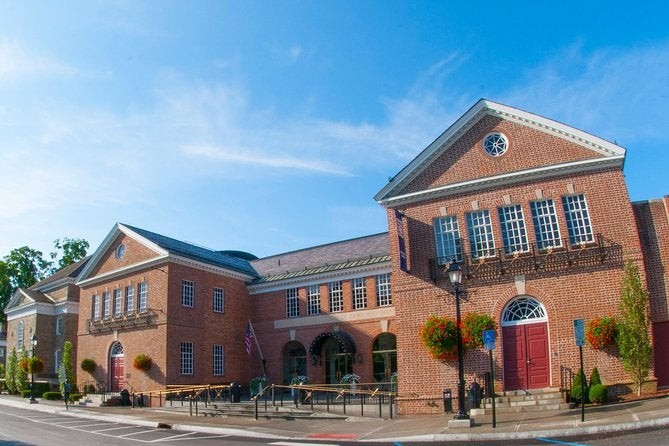
Nestled within the verdant, historic landscape of Cooperstown, New York, the National Baseball Hall of Fame and Museum stands as far more than a mere repository for sporting relics; it is a meticulously curated chronicle of the American identity. To step through its doors is to enter a space where the boundaries between sport and fine art dissolve, revealing a vibrant tapestry woven from the threads of legendary perseverance and cultural evolution. Established in 1939 by Stephen Carlton Clark, the institution was born from a vision to anchor the spirit of the Great Depression era into a permanent monument of excellence. For the discerning collector or lover of Americana, the museum offers a profound encounter with the very essence of competition and the enduring legacy of a pastime that has shaped a nation’s social fabric.
The architectural experience begins with an immediate sense of grandeur and intentionality. As one enters the magnificent rotunda, the eye is instantly arrested by the monumental presence of Thomas Hart Benton's masterpiece, “The Sources of Country Music.” This dynamic mural, a swirling vortex of rhythmic figures and cultural motifs, serves as a brilliant metaphor for the game itself—a confluence of diverse influences, energy, and tradition. The building’s design, characterized by its openness and the masterful use of natural light, creates an atmosphere of reverence. For interior designers and enthusiasts of monumental scale, the interplay between Benton’s muscular, expressive brushwork and the museum's modern, airy galleries provides a masterclass in how structural space can elevate the emotional resonance of the objects it houses.
Echoes of Legends: The Artistry of the Artifact
Within the hallowed halls of the galleries, the collection transcends simple memorabilia to become a series of poignant, sculptural narratives. Each artifact is a conduit to a bygone era, possessing a tactile history that speaks to the human condition. One might find themselves captivated by the weathered grain of Babe Ruth's legendary bat, an object imbued with the mythic power of “The Sultan of Swat,” or the delicate, storied presence of Honus Wagner’s prized baseball card, which remains a pinnacle of early twentieth-century graphic history. These items are not merely wood and paper; they are icons of achievement that possess a sculptural gravity capable of inspiring awe in any observer.
The collection further deepens through its profound commitment to social history, most notably seen in the presence of Jackie Robinson’s jersey. This garment serves as a powerful emblem of courage and the breaking of racial barriers, transforming a piece of athletic equipment into a profound symbol of justice and progress. From the pristine white of vintage uniforms to the worn leather of a glove used by Sandy Koufax, the museum curates a sensory journey through time. For those who appreciate the aesthetic of the authentic, these artifacts offer an unparalleled look at the textures of history, where every stitch and scuff tells a story of triumph and unyielding dedication.
A Living Narrative: Immersive History and Cultural Legacy
What truly distinguishes the National Baseball Hall of Fame is its ability to construct immersive, living narratives that extend far beyond static displays. The museum’s exhibitions are thoughtfully orchestrated to guide the visitor through a chronological odyssey, from the humble, informal town games of the nineteenth century to the complex, high-stakes spectacle of the modern era. Special attention is given to the often-overlooked brilliance of Negro League Baseball, an exhibition that serves as a vital reclamation of history, celebrating the remarkable athletes who flourished despite the shadows of segregation. This commitment to inclusivity ensures that the museum remains a relevant and breathing institution, constantly expanding its dialogue with the present.
Beyond the physical artifacts, the Hall functions as a premier research center and an intellectual hub, where the meticulous vetting of legends continues to stir debate and admiration. It is a place where the past is not merely preserved but actively interpreted through interactive experiences that allow visitors to engage with the statistics and the sheer physicality of the game. For the art lover and the historian alike, the National Baseball Hall of Fame and Museum offers a rare opportunity to witness the intersection of athletic prowess and cultural iconography, making it an essential pilgrimage for anyone seeking to understand the heartbeat of American heritage.