

A Bastion of Welsh Culture: The Soul of Cardiff
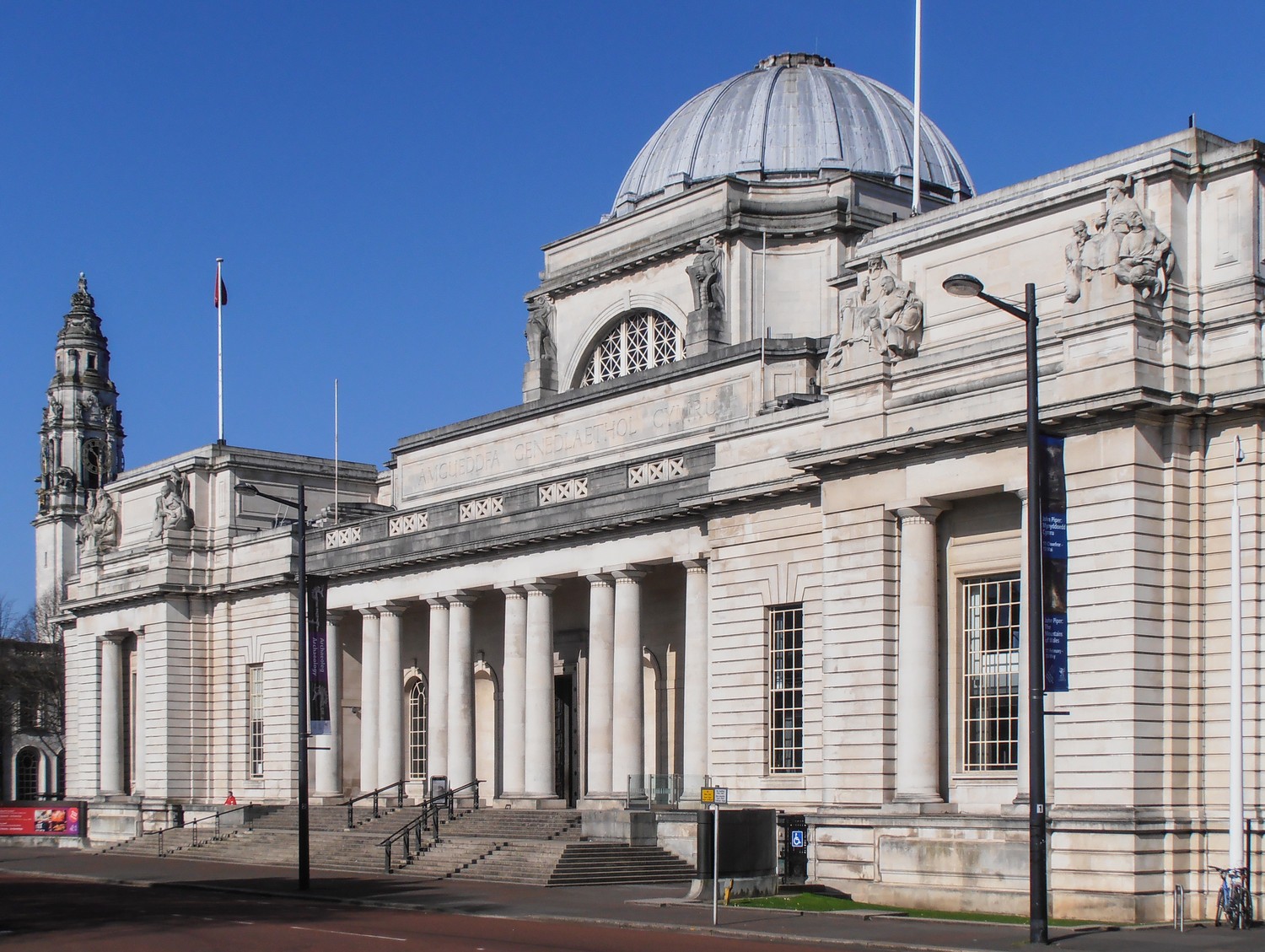
Nestled within the elegant, leafy expanse of Cathays Park, National Museum Cardiff stands as a profound emblem of Wales’ rich artistic and natural heritage, acting as a sanctuary where centuries of human creativity and prehistoric wonder converge under one magnificent roof. To step through its doors is to enter a space where history breathes; the museum’s very foundations are steeped in a narrative of ambition and endurance. While construction began in 1912, the shadow of the Great War delayed its grand opening until 1922, followed by a formal unveiling five years later. The building itself, an exquisite example of civic architecture designed by Arnold Dunbar Smith and Cecil Brewer, possesses a grandeur that hints at the original, more expansive dreams of its creators, offering a stately introduction to the treasures held within.
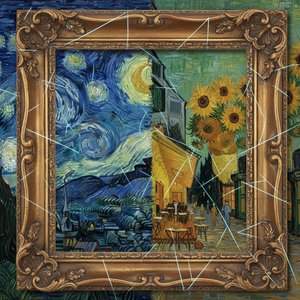
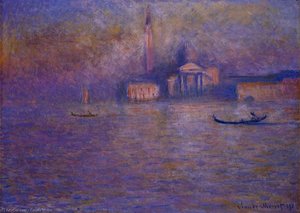
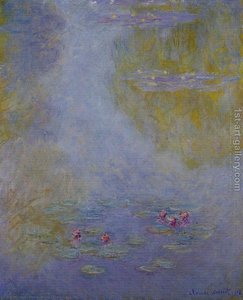
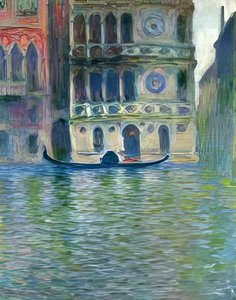
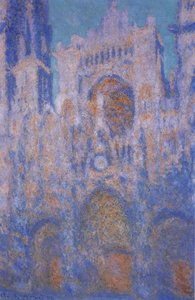
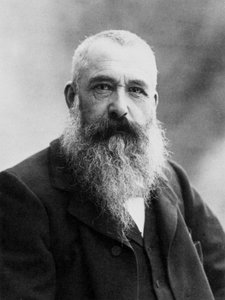
For the art lover or the discerning collector, the museum is not merely a repository of artifacts but a vibrant cultural hub that offers an immersive journey through the nation’s evolving story. The heart of the museum beats most vibrantly within its art galleries, which are particularly renowned for their exceptional strength in Impressionist masterpieces. Here, the atmosphere shifts as one wanders through luminous landscapes where the delicate brushstrokes of Claude Monet and the raw, visceral emotion of Vincent van Gogh come to life. These works do more than decorate a space; they capture the ephemeral nature of light and the profound weight of human feeling, making them perennial inspirations for those who seek beauty in the fleeting moments of existence.
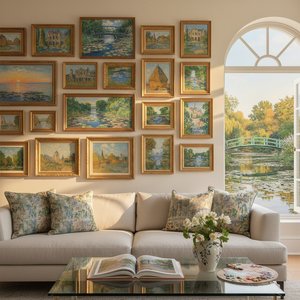
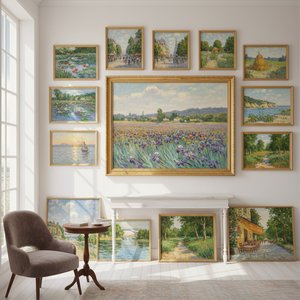
Yet, the collection’s scope extends far beyond the French masters, weaving a tapestry of both international significance and deep local pride. Visitors can discover the nuanced brilliance of Welsh talents such as Richard Wilson , Thomas Jones , Augustus John , and the ethereal Gwen John . Each painting, sculpture, and ceramic piece is curated to tell a story of artistic evolution and cultural identity, making the museum an essential pilgrimage for those who seek art that transcends time. This collection serves as a masterclass in texture and tone, offering endless inspiration for interior designers looking to integrate the quiet dignity of historical landscapes or the bold energy of modern portraiture into contemporary environments.
Beyond the canvas, the museum offers a captivating exploration of the natural world and the deep-rooted history of the Welsh landscape. The natural history galleries ignite the imagination with dinosaur exhibits and comprehensive displays of native flora and fauna, where one might marvel at the imposing skeleton of a humpback whale or encounter the largest leatherback turtle ever recorded. This duality—the intersection of fine art and scientific wonder—is what makes National Museum Cardiff truly unique. It presents a nuanced portrait of Wales, acknowledging its triumphs and complexities through archaeological finds and compelling exhibits on social evolution. From the captivating displays of Welsh folklore to the legacy of the Gregynog Press, the museum remains a steadfast champion of literature and creativity.
Supported by the Welsh Government, the museum offers free admission, embodying a generous ethos of shared cultural wealth. It stands as a beacon of artistic appreciation, inviting every visitor to embark on an unforgettable journey into the very heart of Wales. Whether you are drawn by the structural elegance of its historical exhibits or the way a landscape captures the soft light of a winter morning, the museum’s commitment to preservation and accessibility ensures that these wonders remain available to all, serving as a timeless source of wonder for generations to come.