

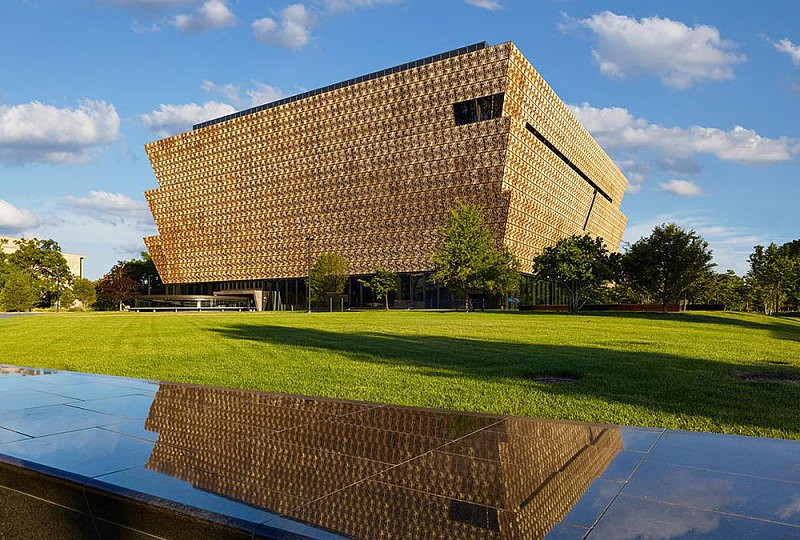
A Monument of Bronze and Memory
Standing as a profound sentinel on the National Mall in Washington, D.C., the National Museum of African American History and Culture is far more than a mere repository of artifacts; it is a breathtaking architectural poem written in bronze and light. Designed through a collaborative vision by Freelon Group, Adjaye Associates, and Davis Brody Bond, the museum’s exterior serves as its first profound narrative. The striking bronze lattice that envelops the structure is not merely an aesthetic choice but a deliberate homage to the intricate metalwork traditions of the Yoruba people of West Africa. This shimmering skin acts as a visual bridge between ancestral roots and the American landscape, grounding the building in a heritage that survived the unimaginable. As one approaches, the architecture itself prepares the soul for a journey, mirroring the complexities of a history marked by both the weight of oppression and the soaring heights of triumph.
To enter the museum is to embark on a physical descent into the depths of the human experience. The museum’s layout is masterfully orchestrated to reflect a narrative arc of resilience. As visitors move through the five subterranean levels, the atmosphere subtly darkens, creating an immersive, somber space that echoes the harrowing realities of slavery and the Middle Passage. Here, the weight of history is palpable in the presence of weathered shawls once worn by Harriet Tubman and the chilling remnants of slave ship hulls. Yet, as one ascends through the upper floors, the architecture begins to breathe with light and openness. This transition from the shadows of the past to the luminous galleries above symbolizes the relentless climb toward freedom, progress, and the enduring spirit of a people who transformed shackles into songs.
The Soul of a Nation Captured in Art and Artifact
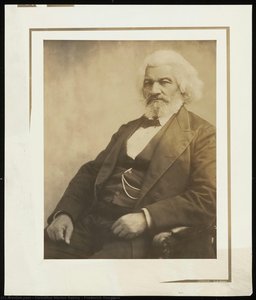
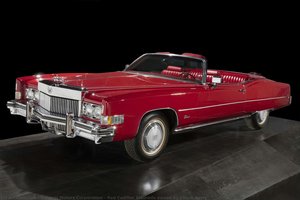
The collection within these walls is an unparalleled treasure trove that speaks to the very heart of American identity. For the art lover and the historian alike, the museum offers a visceral connection to the struggle for justice through its diverse media. The galleries pulse with the kinetic energy of the Civil Rights Era, where the lens of photographers like Gordon Parks and Ernest Withers captures the raw urgency of protest and the quiet dignity of resistance. These visual chronicles are complemented by the profound musical legacy of the Black experience; from the haunting depths of spirituals to the rhythmic innovations of jazz and the cultural revolution of hip-hop, the museum celebrates a sonic landscape that has reshaped global culture. It is a place where the auditory and the visual converge to tell a story of survival and creative brilliance.
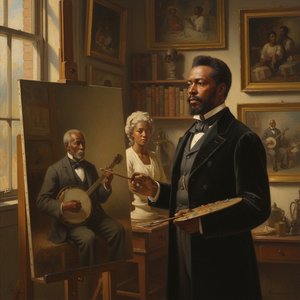
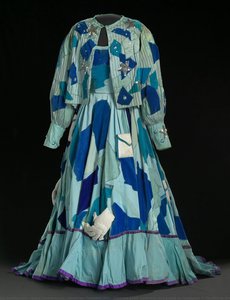
Beyond the iconic historical artifacts, the museum’s fine arts collection provides a sanctuary for contemplating the nuances of Black life and identity. The works of artists such as William Henry Johnson bring a tender, luminous quality to the canvas, capturing the everyday resilience and grace of African American communities. This curation extends into specialized exhibitions that provoke deep intellectual and emotional dialogue. Whether exploring the role of music in liberation through “Freedom Sounds” or examining the power of perception in “Through a Lens Darkly,” the museum ensures that every visitor confronts the complexities of race and identity. For the collector and the designer, the museum serves as an ultimate inspiration, demonstrating how art can function as both a mirror to societal truth and a beacon of hope for a more equitable future.