

A Sanctuary of Transformation: The National Museum of Colombia
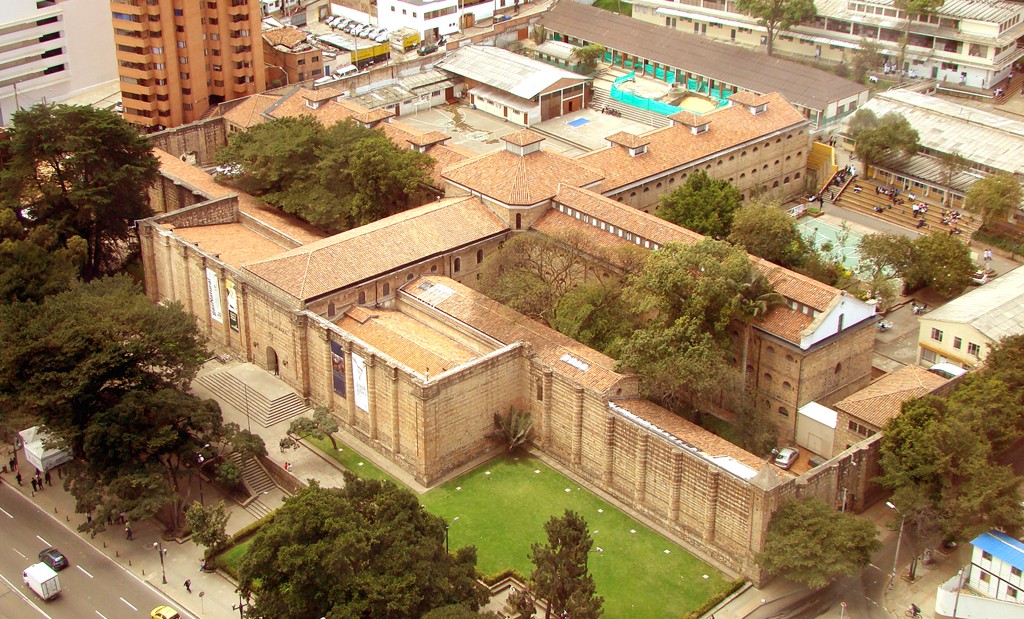
In the heart of Bogotá’s historic Santa Fe district, a profound architectural metamorphosis stands as a silent witness to Colombia’s enduring spirit. The National Museum of Colombia is not merely a repository for artifacts; it is a triumph of cultural reclamation. Housed within the imposing walls of the former Panóptico prison—a structure originally designed by Danish architect Thomas Reed in 1850 for penal reform—the building itself tells a story of redemption. Where once the rigid discipline of a correctional facility dictated the rhythm of life, there is now a serene sanctuary flooded with natural light through soaring ceilings and expansive windows. This transition from a place of confinement to a cathedral of creativity reflects the nation's remarkable ability to reimagine its spaces, turning a site of historical shadows into a luminous beacon for artistic expression.
To wander through these galleries is to embark on a holistic journey that transcends the boundaries of traditional disciplines. Unlike many institutions that isolate art from its social context, the National Museum weaves together four interconnected realms: Archaeology, Art, Ethnography, and Social History. The collection serves as a visual timeline of Colombian civilization, beginning with the enigmatic whispers of pre-Columbian cultures. Visitors find themselves captivated by the intricate ceramics and ceremonial objects of the Muisca, Quimbaya, and San Agustín peoples, whose craftsmanship offers a tangible connection to the nation's earliest inhabitants. This archaeological depth provides a foundational layer of meaning that enriches every subsequent era of Colombian creativity presented in the museum’s halls.
Masterpieces of Identity and Light
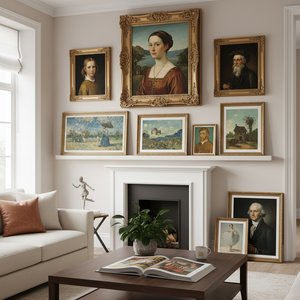
As one moves deeper into the collection, the narrative shifts from the ancient to the evocative power of the canvas and the portrait. The Founders Room serves as a poignant cornerstone, housing majestic portraits that commemorate Colombia’s liberators and embody the grandeur of Spanish iconography. In the adjacent Round Room, the progression of Colombian painting is laid bare, tracing a stylistic evolution from the dramatic tension of the Baroque period to the light-drenched experiments of Impressionism. For the discerning eye, works by masters such as Pedro José Figueroa Mata offer an intimate encounter with history through his iconic portraits of Simón Bolivar, while the landscapes of Ricardo Borrero Álvarez , particularly his celebrated “Palms of Tolima,” invite a deep appreciation for the nation's natural splendor. The realism of Roberto Pizano Restrepo further breathes life into the galleries, as his depictions of rural life, such as “Misa de Pueblo,” resonate with a timeless, soulful authenticity.
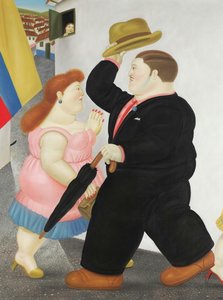
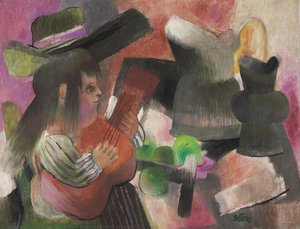
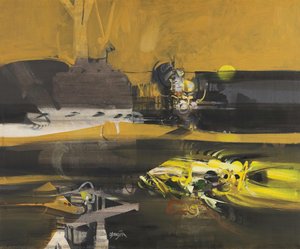
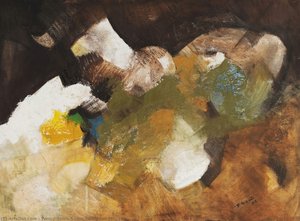
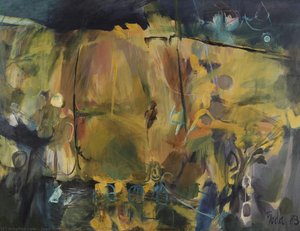
What truly distinguishes the National Museum of Colombia is its ability to foster a dialogue between the past and the present. Through contemporary exhibitions that explore photography, multimedia installations, and modern painting, the museum continues to challenge perceptions of Colombian identity and social landscape. It remains a destination where history is not just studied but felt—a place where the weight of a colonial portrait meets the vibrant energy of modern thought. For art lovers, collectors, and designers alike, the museum offers more than an exhibition; it offers an immersive experience in the very soul of a nation that has mastered the art of transformation.