
A Sanctuary of Portuguese Identity: The Soul of Chiado
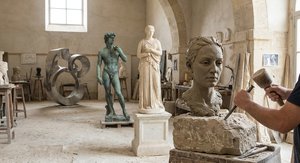
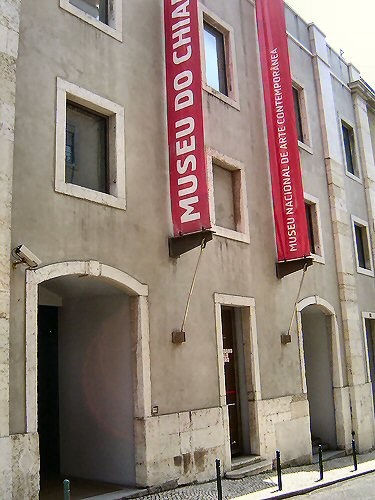
Nestled within the historic heart of Lisbon’s Chiado district, the National Museum of Contemporary Art – Museu do Chiado – serves as much more than a mere repository for canvases and sculptures; it is an immersive journey into the very essence of the Portuguese spirit. Housed within the beautifully restored Convent of São Francisco, the museum offers an experience where art intertw embedded seamlessly with architecture. The building itself, a structure steeped in centuries of spiritual resonance, bears silent witness to Lisbon’s tumultuous history, including the devastating 1755 earthquake. As visitors wander through its halls, the very stones seem to whisper tales of a city that has been rebuilt time and again, providing an evocative, almost sacred backdrop for the artistic treasures held within its walls.
The museum's physical presence is a masterclass in the dialogue between heritage and modernity. The recent renovations, skillfully overseen by the renowned French architect Jean-Michel Wilmotte, have achieved a delicate balance, blending historical elements with contemporary design principles. This creates a space that feels profoundly respectful of its monastic past yet refreshingly forward-looking. For the art lover or interior designer, this architectural harmony offers a profound lesson in how historical weight can coexist with clean, modern aesthetics, making the museum an essential pilgrimage for those seeking inspiration in the intersection of old and new.
From Romanticism to Modernity: A Visual Evolution
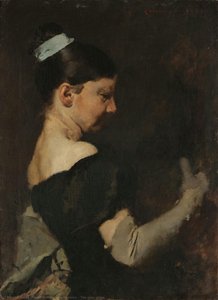
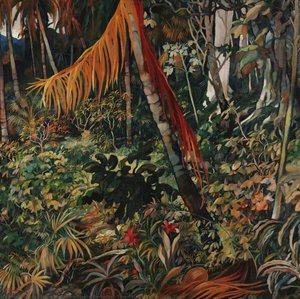
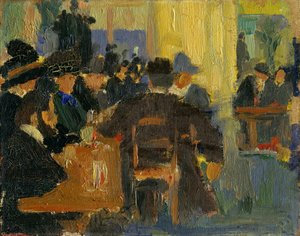
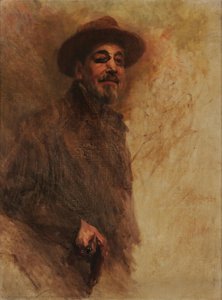
The collection at Museu do Chiado, spanning from 1850 to the present day, provides an unparalleled narrative of Portugal's artistic evolution. The journey begins with the emotionally charged world of Romanticism , a period defined by intense searches for national identity amidst social and political upheaval. In these early galleries, one encounters the delicate landscapes of António Silva Porto, whose works evoke a sense of longing and dramatic intensity that mirrors the era’s yearning for a distinct Portuguese voice. As the collection progresses, the shift toward Naturalism becomes palpable. Artists such as António Carneiro meticulously detail everyday life, offering poignant, unflinching glimpses into the lives of laborers and the raw beauty of the natural world, moving beyond mere representation to capture the very essence of existence.
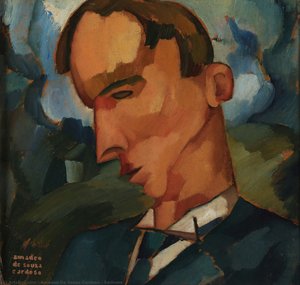
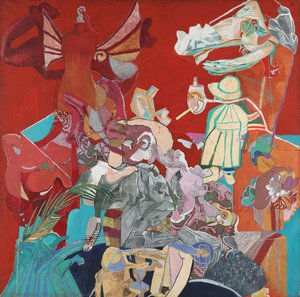
As the twentieth century dawned, the museum’s halls began to pulse with the energy of Modern Art . Here, the collection showcases how Portuguese artists embraced international trends like Cubism and Fauvism while simultaneously forging a unique national character. The vibrant compositions of Amadeo de Souza Cardoso, a pioneer of abstract art in Portugal, stand as a testament to this era of experimentation. The museum also celebrates the multifaceted genius of José de Almada Negreiros and the geometric precision of Nadir Afonso, demonstrating a dynamic interplay between global influences and local sensibilities. This progression from the soulful landscapes of the past to the bold, conceptual explorations of the present makes the collection a vital chronicle of a nation's changing social and political landscape.
A Living Cultural Hub for the Contemporary Era
Beyond its permanent treasures, the Museu do Chiado thrives as a vibrant cultural hub that actively engages with the pulse of contemporary creativity. It is not a static monument to the past but a living institution that fosters critical thinking through a dynamic program of temporary exhibitions and educational initiatives. Recent displays, such as “Noé Sendas. On Thin Ice” and "LISBOA DÜSSELDORF FACES," highlight the museum's commitment to showcasing both established masters and emerging voices, ensuring that the dialogue between tradition and innovation remains unbroken.
For collectors and enthusiasts, the museum offers a rare opportunity to witness the interconnectedness of European art movements. The inclusion of international figures like Auguste Rodin provides a valuable comparative perspective, placing Portuguese mastery within a broader continental context. Through workshops, lectures, and collaborative projects, the museum nurtures future generations of artists, ensuring that its mission extends far beyond the gallery walls. To visit the Museu do Chiado is to step into a space where history, art, and culture converge, offering an unforgettable encounter with the enduring beauty and resilience of Portuguese identity.