


A Tapestry of Human Experience: The National Museum of Ethnology
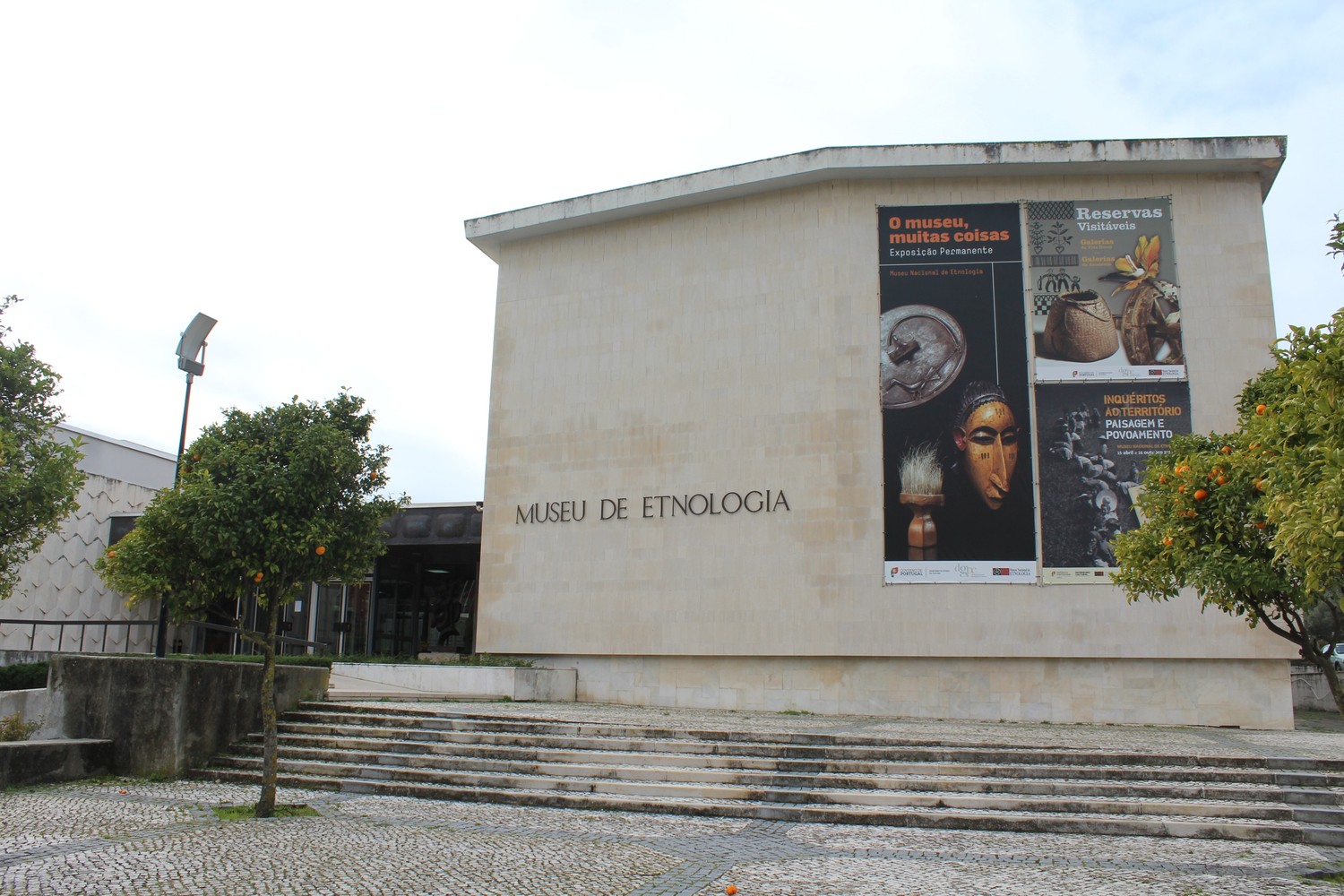
Nestled within the serene landscape of Lisbon, the National Museum of Ethnology serves as a profound window into the shared soul of humanity. It is not merely a repository for distant relics but a living dialogue between the past and the present, where the echoes of diverse civilizations converge under one roof. To step into its halls is to embark on a journey across continents, moving seamlessly from the sun-drenched traditions of Africa and the intricate spiritual landscapes of Asia to the deep, ancestral rhythms of South America. For the art lover and the collector, the museum offers a rare opportunity to witness the profound artistry that emerges when human creativity meets cultural necessity, presenting objects that are as much masterpieces of design as they are vessels of history.
The architecture of the museum, a masterful creation by the renowned José Luís Sertório, provides an essential stage for this global narrative. Designed with a sophisticated emphasis on natural light and spatial fluidity, the building itself acts as a bridge between the modern world and the ancient traditions it houses. The openness of the galleries allows light to dance across textures—the weathered grain of wooden masks, the delicate sheen of Balinese Wayang Kulit shadow puppets, and the intricate weaves of Portuguese textiles—creating an atmosphere of contemplative grace. This architectural intentionality ensures that each artifact is not viewed in isolation but as part of a larger, interconnected ecosystem of human expression.
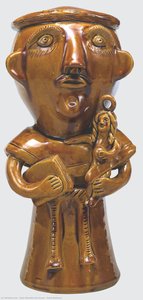
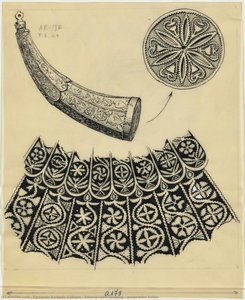
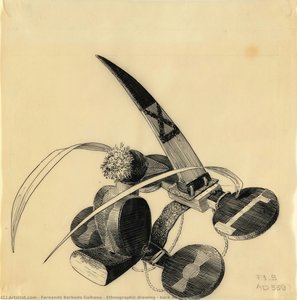
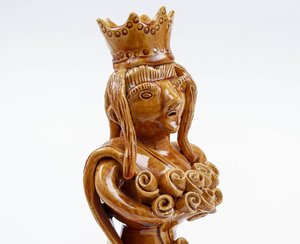
The museum’s collection is a breathtaking mosaic of over 40,000 objects, curated with a pioneering spirit that shifted the focus from mere accumulation to deep, ethnographic storytelling. One cannot help but be moved by the profound symbolism embedded in the Malian masks or the rhythmic complexity found in the puppets of southwestern Angola. Alongside these global treasures, the museum celebrates the heartbeat of Portugal itself through its magnificent collection of folk art. Here, the rustic beauty of rural life is elevated to high art, featuring exquisitely embroidered textiles and religious iconography that speak to the enduring resilience and aesthetic richness of the Portuguese spirit. It is this duality—the local and the universal—that makes the museum a singular destination for those seeking inspiration.
In an era of shifting perspectives, the National Museum of Ethnology distinguishes itself through its courageous engagement with history. Through landmark exhibitions such as “Deconstructing Colonialism, Decolonising the Imaginary,” the institution invites visitors to confront the complexities of how cultures are represented and collected. It does not shy away from the difficult dialogues of the past, instead using them to foster a more nuanced understanding of global heritage. For the interior designer or the culturally curious scholar, the museum offers much more than aesthetic beauty; it provides a profound intellectual depth, reminding us that every object tells a story of identity, struggle, and the eternal human desire to leave a mark upon the world.