


A Tapestry of Heritage: The Soul of Chicago’s Pilsen
Nestled within the vibrant, heartbeat-driven streets of Chicago’s Pilsen neighborhood, the National Museum of Mexican Art (NMMA) stands as much more than a mere repository for cultural artifacts; it is a living, breathing sanctuary of identity. Since its founding in 1982 by Carlos Tortolero and a visionary group of educators, the museum has functioned as a profound testament to the power of accessibility and community pride. What began as the Mexican Fine Arts Center Museum has ascended to become the only Latino museum accredited by the American Alliance of Museums, marking it as a cornerstone of national significance. For the art lover or the discerning collector, the NMMA offers an immersive journey that transcends the boundaries of traditional galleries, inviting visitors into a deep, contemplative dialogue with the enduring spirit of Mexican and Chicano cultures.
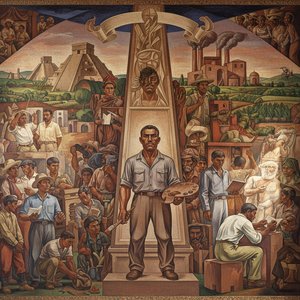
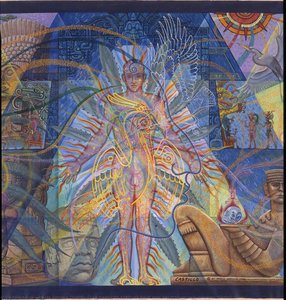
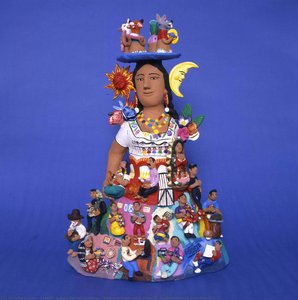
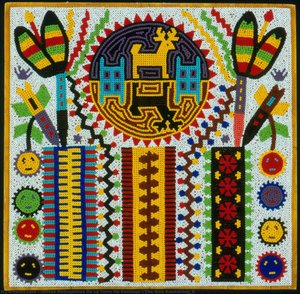
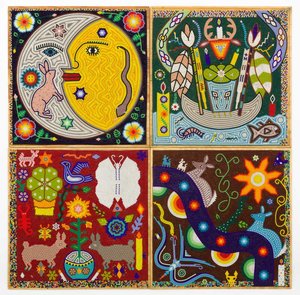
The museum’s collection is a breathtaking chronological odyssey, where the whispers of ancient civilizations meet the bold strokes of contemporary expression. Visitors find themselves transported through time, beginning with the monumental echoes of pre-Columbian worlds. The permanent collection houses exquisite artifacts from the Olmec, Mayan, and Aztec civilizations, each piece serving as a window into sophisticated cosmological beliefs and masterful craftsmanship. As one moves through the galleries, the narrative shifts into the transformative era of Spanish colonial influence, leading into the powerful "Mexicanidad" period. Here, the art reflects the seismic political and social shifts of history, showcasing how tradition evolved alongside the struggle for independence and the formation of a modern national identity.
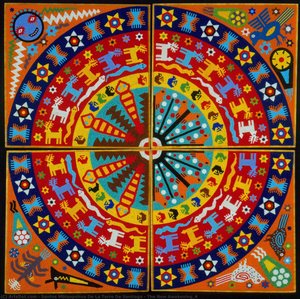
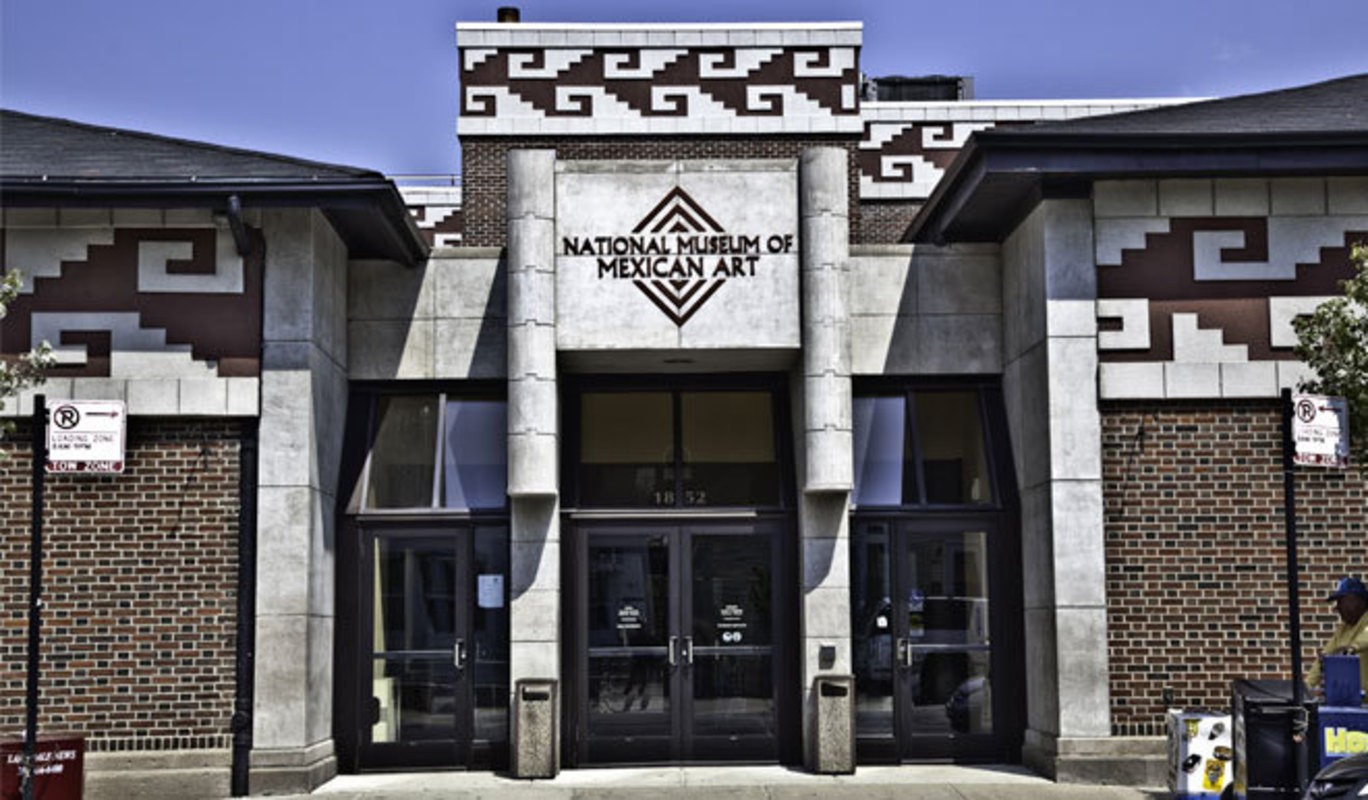
The architecture of the NMMA itself serves as a silent narrator of this cultural continuity. The building’s façade is a deliberate architectural gesture, featuring intricate geometric patterns inspired by the ancient friezes of Mitla in Oaxaca . This subtle yet profound design choice embeds Mexican artistry directly into the urban fabric of Chicago, creating a visual bridge between Mesoamerican heritage and the modern American cityscape. For interior designers and lovers of aesthetic harmony, this dialogue between structure and tradition provides a masterclass in how cultural motifs can be integrated into contemporary environments to foster a sense of place and historical resonance.
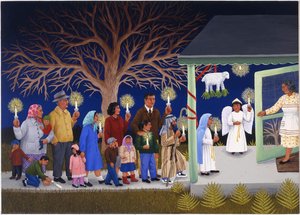
Beyond its permanent treasures, the NMMA is renowned for exhibitions that pulse with seasonal emotion and social relevance. Perhaps its most poignant annual event is the Día de los Muertos exhibit, a spectacular transformation where the museum becomes a vibrant landscape of color, light, and remembrance. Elaborate ofrendas (altars) adorned with marigolds, candles, and personal offerings turn the halls into a celebratory space that honors the cyclical nature of life and death. This spirit of engagement extends to the museum's educational and musical initiatives, such as the Del Corazón festival and the Yollocalli Arts Reach program, ensuring that the museum remains not just a place to view the past, but a dynamic engine for inspiring future generations of artists.