
A Timeless Journey Through Slovenia's Creative Soul
Nestled in the vibrant heart of Ljubljana, the National Museum of Slovenia stands as a majestic sentinel of cultural memory, inviting visitors on an immersive odyssey through the ages. Since its inception in 1821, originally known as the “Estate Museum of Carniola,” this venerable institution has evolved from a provincial repository into a profound testament to the Slovenian spirit. To walk through its halls is to trace the very lineage of human creativity, where the whispers of prehistoric ancestors meet the sophisticated elegance of the Renaissance and the bold provocations of modernism. For the art lover, the museum offers more than mere observation; it provides a deep, emotional connection to a nation’s enduring identity, making it an essential pilgrimage for anyone seeking to understand the intersection of history and artistry.
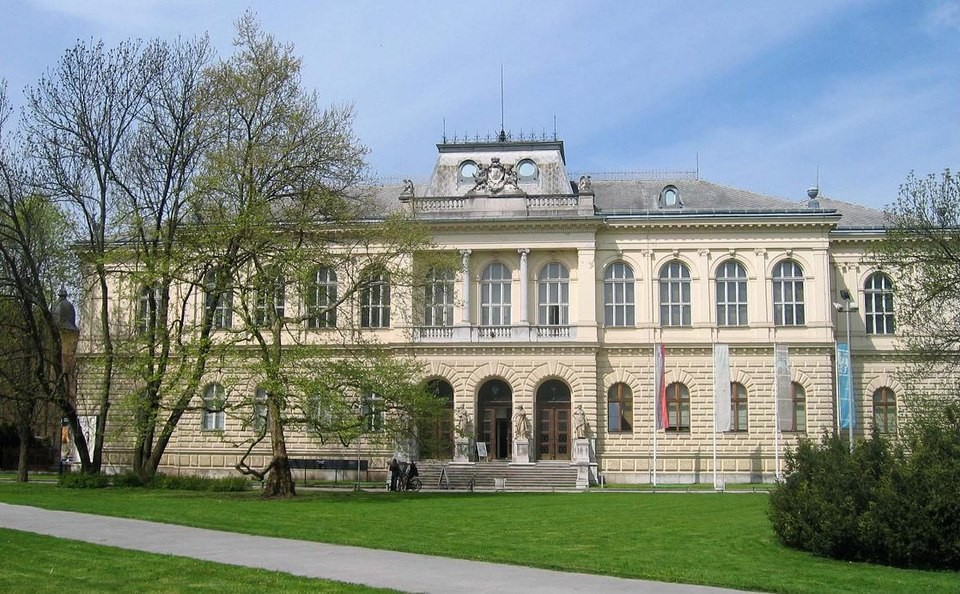
The museum's architectural presence is nothing short of breathtaking, serving as a masterpiece of Neo-Renaissance grandeur. Constructed between 1883 and 1885 by the visionary Wilhelm Treo in collaboration with Jan Vladimír Hráský, the edifice commands the Ljubljana cityscape with its soaring, dignified façade. Stepping inside, one is immediately enveloped by an atmosphere of intellectual prestige and aesthetic splendor. The interior architecture continues to enchant, particularly the breathtaking ceilings adorned with intricate medallions crafted by the talented Janez and Jurij Šubic. These ornamental details do not merely decorate a space; they elevate the entire experience, transforming the museum into a work of art in its own right—a sanctuary where the structural beauty of the building complements the precious treasures housed within.
The collection itself is a captivating tapestry of human achievement, ranging from the primal to the exquisitely refined. Among its most legendary treasures is the Divje Babe flute, a hauntingly beautiful bone instrument that challenges our very understanding of prehistoric musicality and cognitive evolution. This ancient melody finds a striking contrast in the museum's celebrated applied arts collection, where one can marvel at the delicate precision of traditional ceramics, intricate textiles, and masterful woodwork. For collectors and designers, these pieces offer profound inspiration, showcasing a legacy of craftsmanship that blends regional motifs with timeless elegance. The archaeological treasures, including the famed Vače Situla and the Roman Lapidarium, further enrich this narrative, grounding the museum's artistic offerings in the deep, storied soil of the Roman Empire and beyond.
Beyond its permanent holdings, the National Museum of Slovenia remains a dynamic epicenter for contemporary cultural discourse. Through rotating exhibitions that explore movements such as Impressionism, Cubism, and Surrealism, the institution bridges the gap between historical legacy and modern innovation. It frequently highlights how Slovenian artists have engaged with broader European influences, positioning the nation within the grander tapestry of international art history. Whether one is contemplating the works of Ivan Kobilca or exploring the avant-garde echoes of Alexej von Jawlensky, the museum provides a curated experience that stimulates the intellect and stirs the senses. It is this seamless blend of archaeological wonder, architectural magnificence, and artistic evolution that makes the National Museum of Slovenia an incomparable destination for the global art community.