

A Sanctuary of Vision: The National Museum of Women in the Arts
In the heart of Washington, D.C., stands a monument to a quiet yet profound revolution. The National Museum of Women in the Arts (NMWA) is far more than a repository for beautiful objects; it is a deliberate act of historical reclamation. For centuries, the grand narratives of art history were written by those who often overlooked the creative brilliance of women, leaving half of humanity’s artistic legacy in the shadows. The NMWA was born from a desire to correct this imbalance, emerging from a mission sparked in the 1960s when founders Wallace and Wilhelmina Holladay realized that masters like Clara Peeters were being erased from the very textbooks meant to celebrate them. Today, the museum serves as a vibrant beacon, ensuring that the voices of women artists—spanning cultures, and eras—are heard with clarity and resonance.
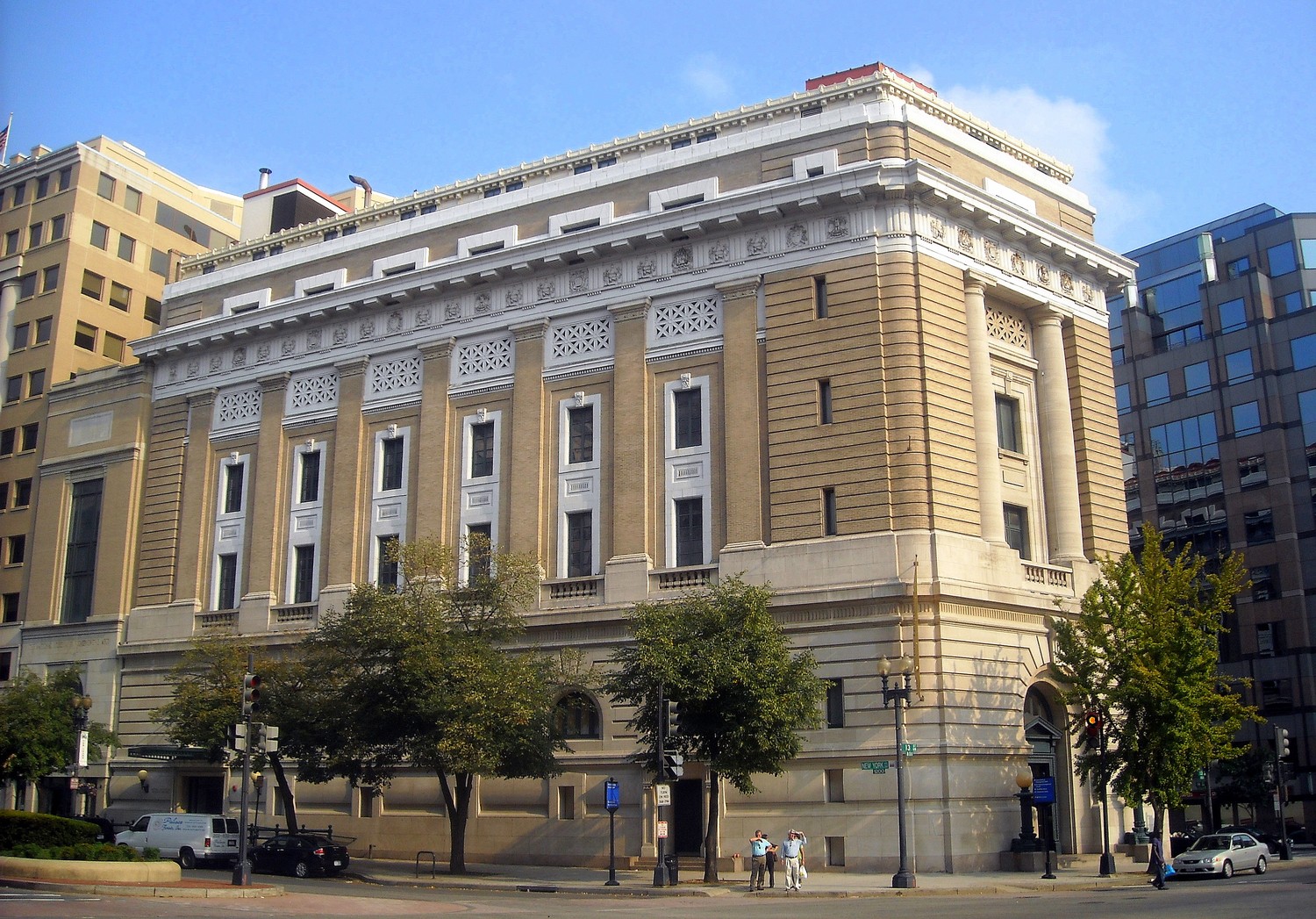
The museum’s physical presence is as commanding as its mission. Housed in a magnificent former Masonic Temple on New York Avenue, the building itself tells a story of metamorphosis. Originally completed in 1908 in the grand Renaissance Revival style, this historic landmark underwent an extensive sixty-six million dollar renovation to transform from a fraternal hall into a sophisticated artistic sanctuary. For the visitor, entering the museum feels like stepping into a space where history and modernity converge. The architecture, listed on the U.S. National Register of Historic Places, provides a stately, reverent backdrop that elevates the artworks within. Its expansive galleries are designed not just for display, but to foster an atmosphere of contemplation, making it an essential destination for those who appreciate the intersection of historic grandeur and contemporary cultural importance.
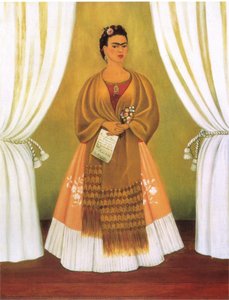
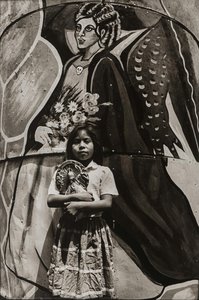
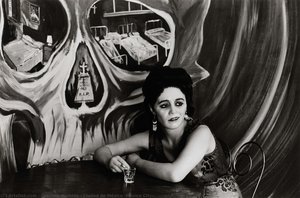
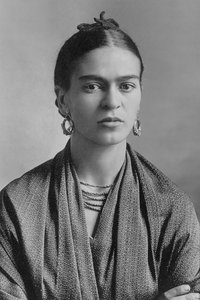
To wander through the NMWA collection is to embark on a breathtaking journey through time and emotion. The museum boasts over 6,000 artworks that traverse the spectrum from the 16th century to the present day, offering a rich tapestry of human experience. One might find themselves moved by the intimate, tender depictions of domesticity in the works of Mary Cassatt , only to be struck by the bold, rhythmic abstractions of Alma Woodsey Thomas . The collection offers a profound dialogue between different eras; the refined, aristocratic portraiture of Élisabeth Louise Vigée-LeBrun exists alongside the raw, political, and deeply personal self-portraiture of Frida Kahlo . This diversity makes the museum a treasure trove for collectors and designers alike, as each piece carries a unique weight of identity and aesthetic power, from delicate historical oil paintings to the evocative multimedia prints of Delita Martin .
What truly distinguishes the National Museum of Women in the Arts is its role as a living, breathing catalyst for change. It does not merely look backward with nostalgia; it looks forward with intention. Through groundbreaking exhibitions such as Women Artists from Antwerp to Amsterdam , the museum illuminates forgotten periods of innovation, while its ongoing research initiatives delve into archives to unearth lost narratives. By championing both established icons and emerging talents, the NMWA fosters a dynamic environment where gender identity, social justice, and artistic expression are constantly interrogated. For the art lover, it is a place of discovery; for the scholar, a site of essential research; and for the world, a vital reminder that the history of art is only complete when every voice is given its rightful place in the light.