
A Regal Journey Through Time: The Soul of the Joseon Dynasty
To step into the National Palace Museum of Korea is to transcend the modern bustle of Seoul and enter a realm where the echoes of emperors still resonate within the tranquil courtyards of Gyeongbokgung Palace. This is not merely a repository for ancient relics; it is a living, breathing chronicle of the Joseon dynasty’s grandeur and the Korean Empire’s enduring spirit. As one wanders through its halls, the museum reveals itself as an immersive portal, transporting visitors back to an era defined by meticulous ritual, profound scholarly devotion, and an unparalleled aesthetic elegance that continues to inspire the contemporary eye.
The history of this institution is as dramatic as the artifacts it protects. Born in 1908 as the Korean Imperial Museum, its very existence has mirrored the turbulent shifts of Korean sovereignty. From its early days at Changgyeontgung Palace through the era of Japanese occupation—when it was renamed the Museum of Yi Dynasty—to its eventual relocation to its current, magnificent home within Gyeongbokgung in 2005, the museum has stood as a sentinel for national identity. Today, it serves as the premier custodian of royal heritage, ensuring that the splendor of the ruling elite is never lost to the shadows of history.
The Artistry of Sovereignty: Treasures and Textual Legacies
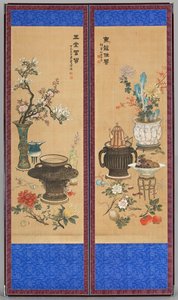
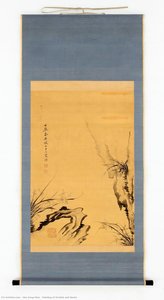
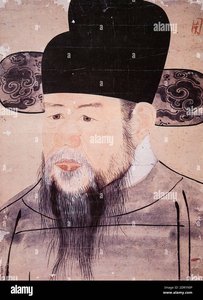
The collection held within these walls is nothing short of breathtaking, boasting over 40,000 pieces that illuminate the sophisticated lifestyle of the Korean court. For the art lover and collector, the museum offers a rare glimpse into the tactile beauty of royal life. One might find themselves captivated by the exquisite textures of ceremonial clothing worn by kings and queens, or the opulent furniture that once adorned the private chambers of the palace. Each object, from the smallest personal trinket to the most massive royal palanquin, is imbued with deep symbolic significance, reflecting the Confucian values and cosmic order that governed the Joseon era.
Perhaps the most profound intellectual treasure of the museum lies in its unparalleled collection of Uigwe . These meticulously handwritten royal protocols are much more than mere records; they are breathtaking works of art in themselves, documenting every nuance of state rites and ceremonies with painstaking detail. To study these texts is to witness the very heartbeat of Joseon political and social structure. Alongside these records, the museum showcases the scientific brilliance of the era through artifacts like the Joseon water clock, proving that the dynasty’s legacy was built as much on intellectual innovation as it was on aesthetic refinement.
A Harmonious Intersection of Heritage and Modernity
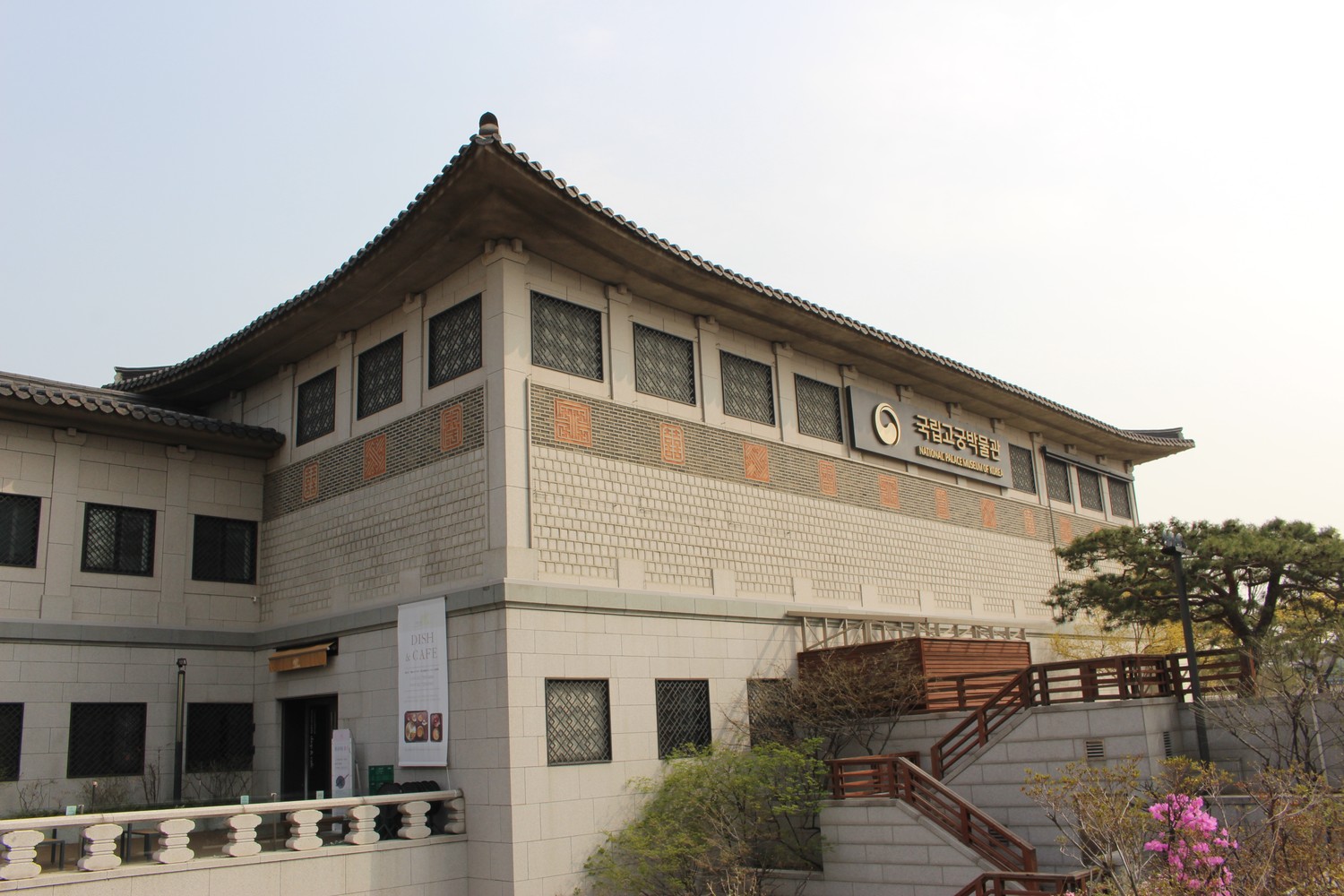
The architecture of the National Palace Museum is a masterclass in contextual design. Rather than imposing a stark, modern silhouette upon the historic landscape, the museum’s structure seeks a poetic dialogue with Gyeongbokgung Palace. By integrating traditional Korean elements—such as open courtyards and warm wooden structures—the museum creates a contemplative atmosphere that encourages slow, mindful exploration. This architectural harmony ensures that the transition from the ancient palace grounds to the modern gallery feels like a seamless continuation of history rather than a disruption.
For the interior designer or the enthusiast of cultural aesthetics, the museum offers endless inspiration through its curated exhibitions on royal life, science, and court paintings. Even as it preserves the past, the institution embraces the future, as seen in its innovative media art installations at Incheon International Airport, which bring traditional Korean themes to a global stage via kinetic artworks and transparent LED displays. The National Palace Museum of Korea remains a vital, pulsing center of culture, inviting all who enter to discover the profound beauty and unwavering resilience of the Korean soul.