
A Sanctuary of Light and Lineage: The National Taiwan Museum of Fine Arts
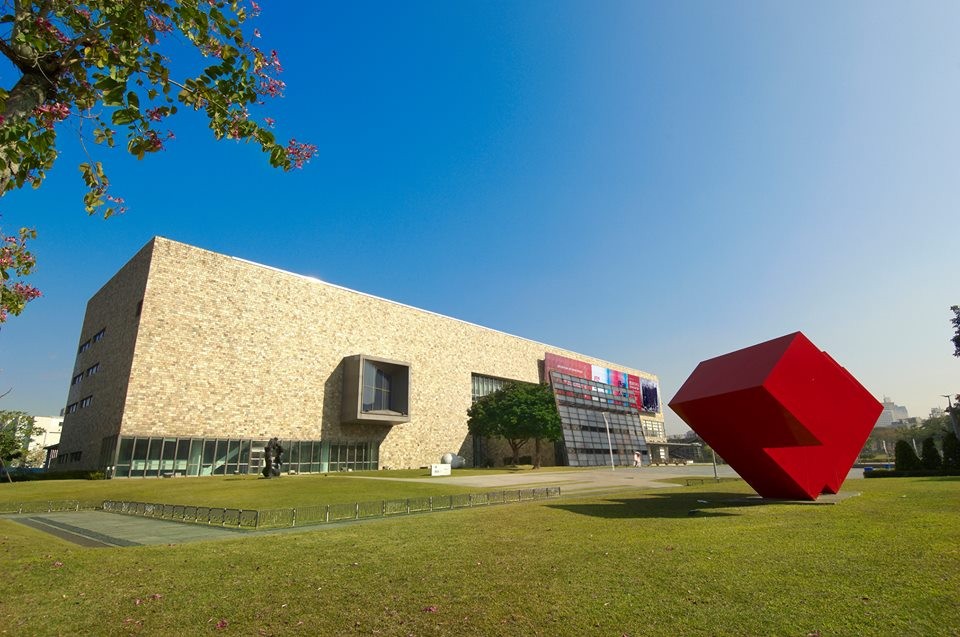
Nestled within the verdant expanse of Taichung’s Calligraphy Greenway, the National Taiwan Museum of Fine Arts (NTMoFA) serves as a profound architectural dialogue between the earth and the sky. To approach this institution is to encounter a masterclass in modern design, where a sprawling four-story structure utilizes vast glass curtains to invite the shifting rhythms of natural light into its very soul. As the sun traverses the sky, the museum’s sixteen galleries become living canvases, where shadows dance across the floors and colors are perpetually redefined by the atmosphere outside. This intentional transparency dissolves the boundary between the curated interior and the vibrant pulse of Taichung, creating a sanctuary that feels less like a fortress of high culture and more like an open, breathing extension of the community.
The museum’s history is one of remarkable resilience, a narrative etched into its very foundations. Established in 1988 as Taiwan's premier national-grade fine arts institution, it has weathered the literal and metaphorical tremors of time. The devastating 921 Earthquake in 1999 left deep scars on the landscape, yet the museum’s subsequent rebirth in 2004 stands as a powerful symbol of the enduring Taiwanese spirit. Today, this history is not merely remembered but felt within the halls, particularly through the preservation of poignant artifacts that survived the upheaval. For the collector or historian, this layer of survival adds a profound emotional weight to every brushstroke and sculpture encountered within its walls.
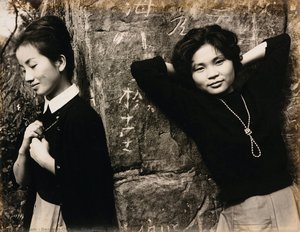
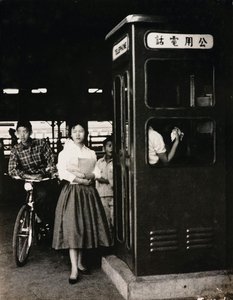
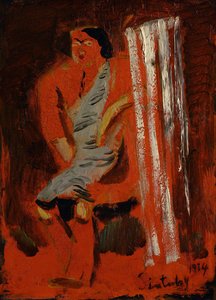
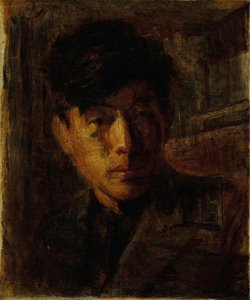
The heart of the NTMoFA beats with the evolution of Taiwanese identity, expressed through a collection that masterfully bridges the gap between tradition and the avant-garde. Visitors are invited to wander through the chronicles of Taiwanese Modern Art , where seminal works by masters such as Liang Yung Fei capture the transformative essence of a nation in flux. The collection does not merely look backward; it aggressively embraces the future through cutting-edge digital installations and immersive technological spaces like the U-108 Space and the Floating Isle VR Gallery. This duality—the ability to hold the weight of historical memory while simultaneously pushing the boundaries of techno-art—makes the museum a vital destination for those seeking to understand the intersection of cultural heritage and contemporary innovation.
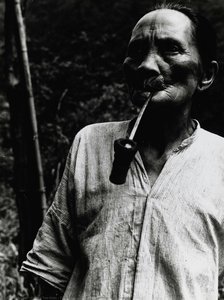
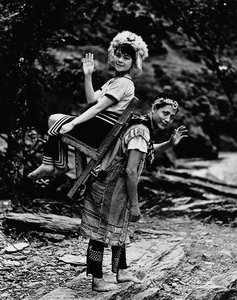
Beyond its permanent treasures, the museum acts as a global stage, fostering international dialogue through prestigious events like the Asian Art Biennial. These exhibitions bring a cosmopolitan energy to Taichung, showcasing everything from the soulful, introspective themes of South Korean artistry to the delicate, masterful Nihonga style depictions of indigenous cultures by Zenkichi Nagano. For the interior designer or art enthusiast, the museum offers an endless well of inspiration, ranging from the chaotic, layered beauty of Pop Art collages to the serene, narrative-driven video installations of Chang Li-ren. It is a place where the past is never static, and the future is always being painted, making every visit a transformative journey through the very essence of Taiwanese creativity.