



A Tapestry of Time: The Soul of Stockport’s National Trust
To step into the National Trust sites of Stockport is to wander through a living chronicle of the British spirit, where the boundaries between architecture, nature, and art dissolve into a seamless narrative of preservation. These are not merely static monuments to the past; they are vibrant embodiments of Victorian ideals, born from the visionary philanthropy of Octuring Hill, Sir Robert Hunter, and Hardwicke Rawnsley. Since its inception in 1895, the Trust has championed the belief that access to beauty and historical significance is essential for moral and intellectual flourishing. In every manicured garden and weathered stone wall, one finds a profound commitment to safeguarding the aesthetic and natural wonders of the realm, ensuring that the dialogue between humanity and its heritage remains unbroken across generations.
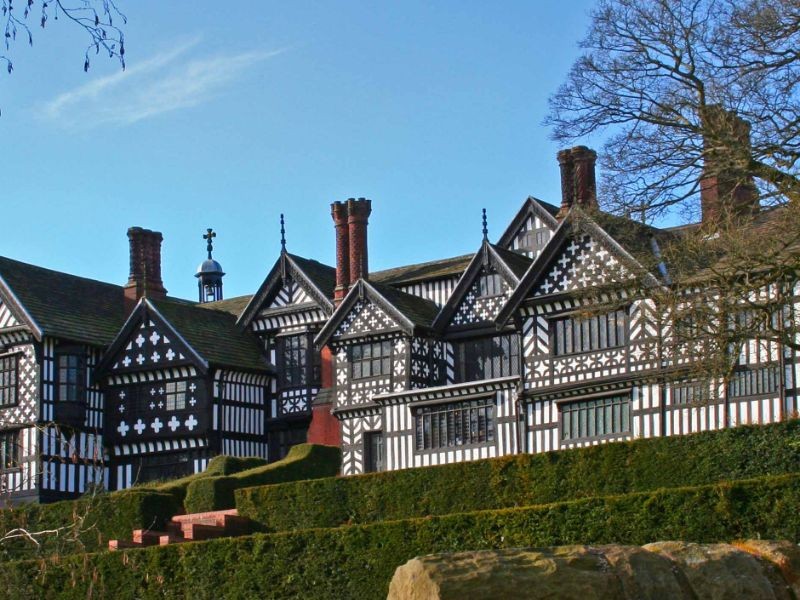
The architectural journey through these estates offers a breathtaking study in stylistic evolution and grandeur. At Lyme Park, the landscape is dominated by an imposing Italianate structure designed by William Burn, a masterpiece that reflects the Victorian era's deep fascination with classical forms and Romanticism. The estate itself is a palimpsest of history, tracing its lineage from a 14th-century grant to Piers Legh through layers of Elizabethan Palladianism and Baroque magnificence. This architectural splendor is mirrored in the meticulously planned gardens, where the scientific precision of botany meets the artistic vision of figures like Gertrude Jekyll. These verdant spaces were designed with the concept of "moral gardening" in mind—a deliberate attempt to harmonize the wildness of nature with human design to nurture both physical and mental wellbeing.
Beyond the aristocratic elegance of Lyme Park, the collection offers a poignant look at the transformative power of industry and social change. Quarry Bank Mill stands as a monumental testament to Britain’s transition from an agrarian society to a mechanized industrial powerhouse. Yet, even within this landscape of innovation, there exists a surprising artistic oasis; the Apprentice House garden, another Jekyll masterpiece, serves as a lush sanctuary that demonstrates the Victorian commitment to integrating natural beauty into urbanized, industrial environments. This duality—the strength of iron and the delicacy of a petal—is what makes the Stockport sites so uniquely captivating for the modern observer, offering a complex portrait of progress tempered by an enduring love for the earth.
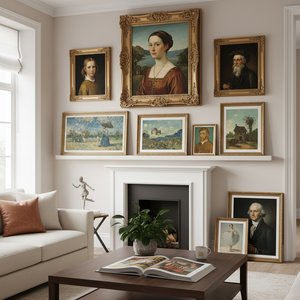
For the discerning collector and lover of fine arts, the Trust’s holdings provide an unparalleled treasury of cultural significance. The historic houses are adorned with a remarkable collection of paintings, sculptures, and decorative arts that span from the Renaissance to the Impressionist movement. These works do more than decorate; they offer windows into the tastes and social influences of the eras they represent. Through notable exhibitions that explore themes such as Victorian social reform and the evolving role of women in art, the museum fosters a critical dialogue between historical narratives and contemporary perspectives. Whether one is drawn to the opulent furnishings of Dunham Massey’s Georgian mansion or the intricate textures of equine portraiture, the National Trust in Stockport remains a sanctuary where history is not just remembered, but felt.