
A Portal to the Polish Soul: The Parliament of Poland
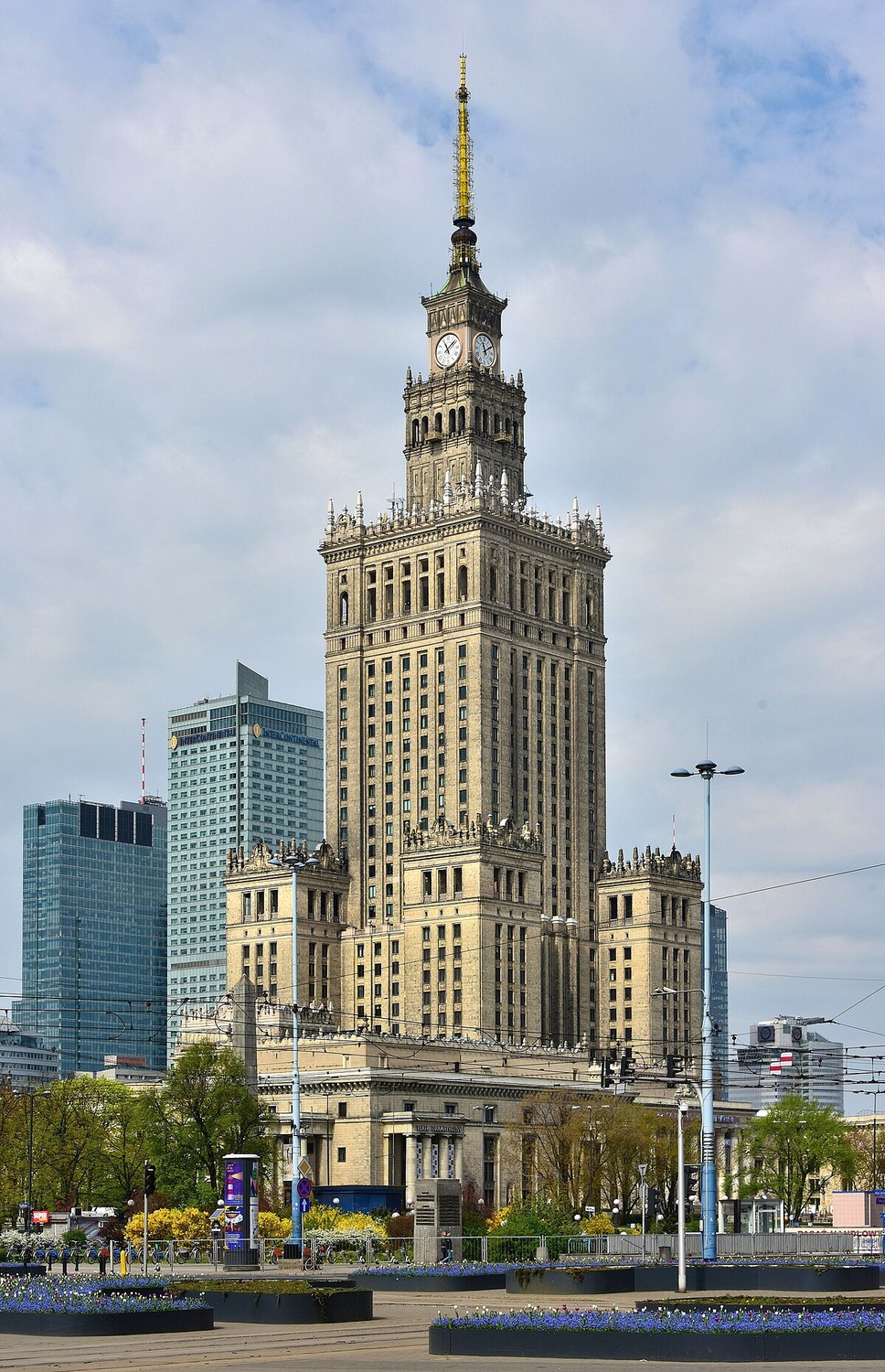
In the heart of Warsaw’s vibrant center, the Parliament of Poland stands as far more than a mere seat of governance; it is a profound architectural testament to a nation's enduring spirit and its relentless pursuit of freedom. To step within its walls is to enter a living chronicle where centuries of struggle, triumph, and artistic evolution converge. This monumental complex offers an aesthetic journey that transcends politics, inviting visitors to witness the very heartbeat of Polish national identity. From the medieval echoes of its origins to the sophisticated nuances of contemporary expression, the Parliament serves as a sanctuary for the arts, preserving a legacy that is both deeply personal to the Polish people and universally significant to the global art community.
The permanent collection housed within this historic institution is a veritable treasure trove for historians and connoisseurs alike, spanning the vast expanse of Polish creativity from the 14th to the 21st century. Among its most breathtaking highlights is the masterful portrait of Stanisław August Poniatowski by Aleksandr Giżycki. This work captures the twilight of the King's independent reign with an extraordinary technical finesse and a sensitivity that breathes life into the monarch’s final era of sovereignty. Such masterpieces are complemented by the profound weight of history found in original manuscripts, including documents from the landmark Constitution of 1791. The presence of writings by figures such as Tadeusz Kościuszko reminds us that art and intellect were the primary weapons in the fight for Enlightenment ideals. For those captivated by heraldic grandeur, the collection offers stunning depictions of the Battle of Grunwald from 1410, where vibrant colors and intricate compositions celebrate the martial glory and unity of the Polish-Lithational era.
The architecture of the Parliament itself is a triumph of European Neoclassicism, a design legacy shaped by the visionary architect Stanisław Winawski in the 18th century. The building’s grandeur is felt in its sweeping interior halls, where majestic columns and polished floors reflect the classical ideals of symmetry and balance. One cannot help but be moved by the magnificent frescoes that adorn these spaces, recreating scenes of historical valor with a breathtaking level of detail that transforms the ceilings into windows onto Poland's heroic past. The interplay of light within the complex is meticulously orchestrated, designed to accentuate every architectural flourish and create an atmosphere of solemn dignity. This sense of harmony extends even to the building's open gardens, which provide a serene, verdant respite from the urban bustle, allowing for quiet reflection amidst the splendor of classical design.
Beyond its role as a guardian of the past, the Parliament remains a dynamic participant in the contemporary art dialogue. Through regularly curated special exhibitions, the institution bridges the gap between tradition and innovation, showcasing modern Polish and international artists who challenge our perceptions of culture, environment, and identity. These exhibitions often feature avant-garde sculptures, immersive multimedia installations, and experimental paintings that push the boundaries of traditional medium. This commitment to the contemporary ensures that the Parliament is not a static monument but a breathing cultural hub. Complemented by seasonal concerts that celebrate the rich tapestry of Polish musical heritage, the institution offers an unparalleled sensory experience, making it an essential destination for anyone seeking to understand the profound intersection of art, history, and the human condition.