
A Living Legacy of American Artistry
In the heart of Philadelphia, where the echoes of history meet the vibrant pulse of modern creativity, stands the Pennsylvania Academy of Fine Arts (PAFA). More than a mere repository for canvas and stone, PAFA serves as a living testament to the evolution of the American aesthetic. Founded in 1805 by visionaries such as Charles Willson Peale and William Rush, it holds the prestigious distinction of being the oldest art museum and school in the United States. To enter its halls is to embark on a journey through time, tracing the trajectory of a nation finding its visual voice. The institution possesses a dual identity that is rare in the museum world; it is both a sanctuary for established masterpieces and a rigorous laboratory for emerging talent, ensuring that the flame of artistic innovation is never extinguished.
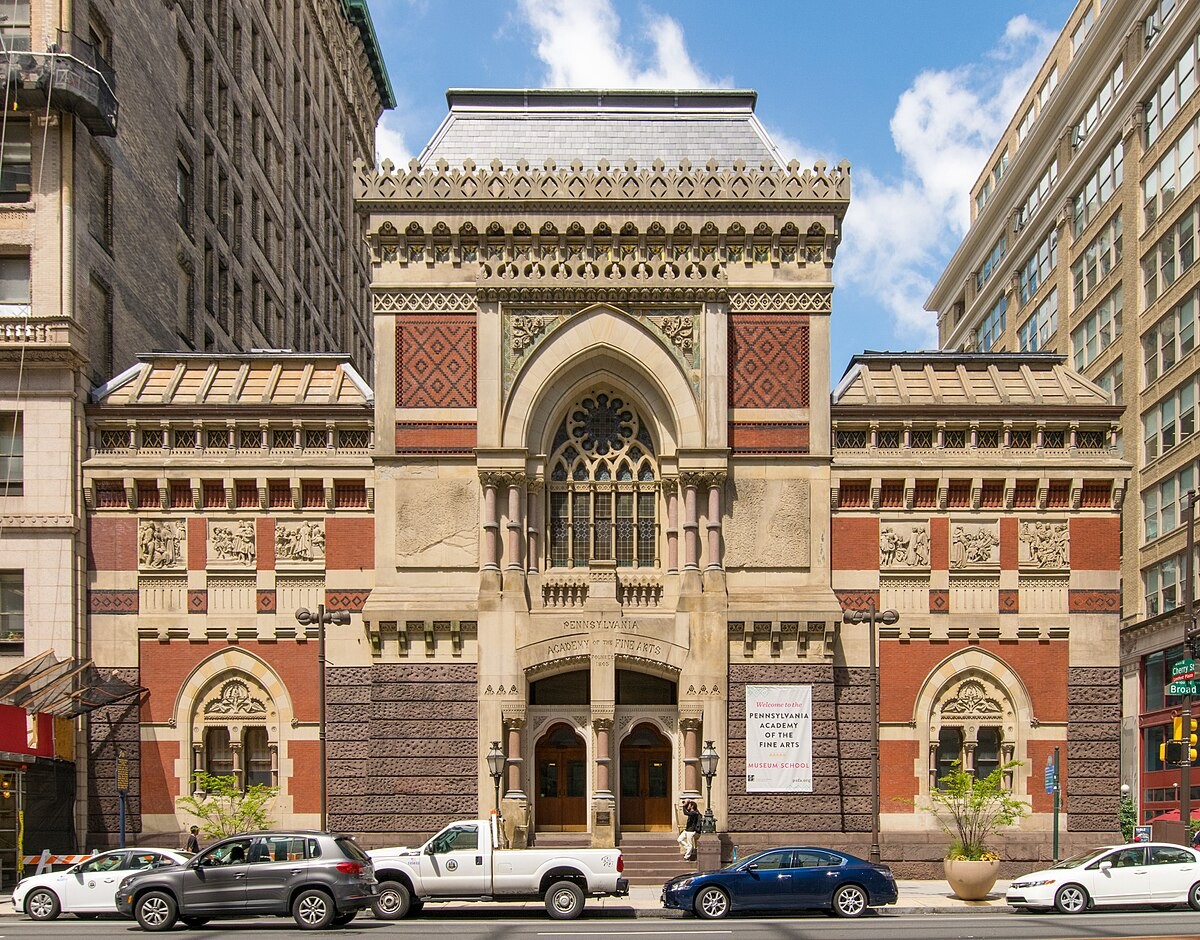
The architectural experience of PAFA is as profound as the collection it houses. The Furness-Hewitt building, completed in 1871, is a breathtaking triumph of Victorian Gothic design. Crafted by the legendary Philadelphia architect Frank Furness, the structure is a masterclass in bold, unconventional beauty. Its dramatic façade, characterized by intricate brickwork and soaring arches, commands attention, while the interior offers an immersive atmosphere of grandeur. The high ceilings and ornate details of the galleries do not merely contain art; they participate in the dialogue with it, providing a textured, historical backdrop that enhances the emotional resonance of every painting and sculpture on display. For the connoisseur or the interior designer seeking inspiration, the building itself serves as a monumental work of art.
Masterpieces of Realism and the Spirit of Innovation
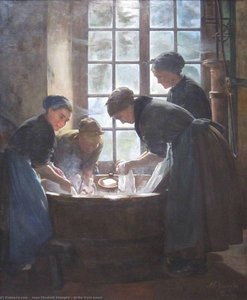
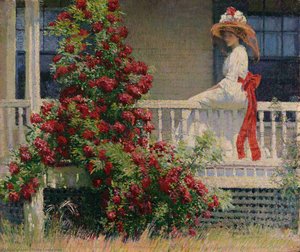
The soul of PAFA’s collection lies in its unparalleled depth of 19th and 20th-century American art. Visitors are often captivated by the profound psychological realism found within its walls, most notably through the legacy of Thomas Eakins. As a pivotal figure who both studied and taught at the Academy, Eakins infused the American tradition with an unflinching commitment to anatomical accuracy and the raw beauty of everyday life. His influence, alongside the delicate portraits of Gilbert Stuart, allows collectors and enthusiasts to witness the transition from early American portraiture to the dynamic movements of American Realism and Impressionism. The collection is a rich tapestry of human experience, where every brushstroke tells a story of identity, struggle, and triumph.
Beyond the painted canvas, the museum’s sculpture collection offers a diverse exploration of form and texture, complementing the strength of its graphic works on paper. This dedication to breadth is matched by a history of groundbreaking exhibitions, such as the landmark Centennial Exposition of 1876, which positioned American art on the global stage alongside European masters. Today, PAFA remains a vital hub for the artistic community, bridging the gap between the venerable archives of the past and the experimental spirit of the present. It is a destination where history is not just remembered but actively felt, making it an essential pilgrimage for anyone moved by the enduring power of the human imagination.