

A Hidden Gem of Umbrian Art: The Soul of Narni
Nestled within the historic heart of Narni, Italy, the Pinacoteca Comunale offers a captivating journey through artistic expression and ancient civilizations. This intimate museum serves as a sanctuary for those seeking to escape the overwhelming scale of metropolitan galleries in favor of a more personal connection with history. It is a place where the whispers of the past are palpable, blending local Umbrian heritage with broader international influences to create a true treasure trove for art historians and enthusiasts alike. To step into this collection is to enter a dialogue between the enduring legacy of Rome and the profound spiritual fervor of the Renaissance.
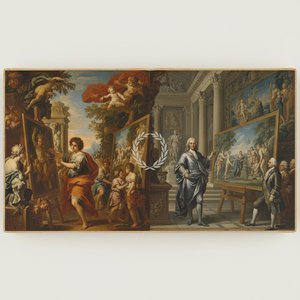
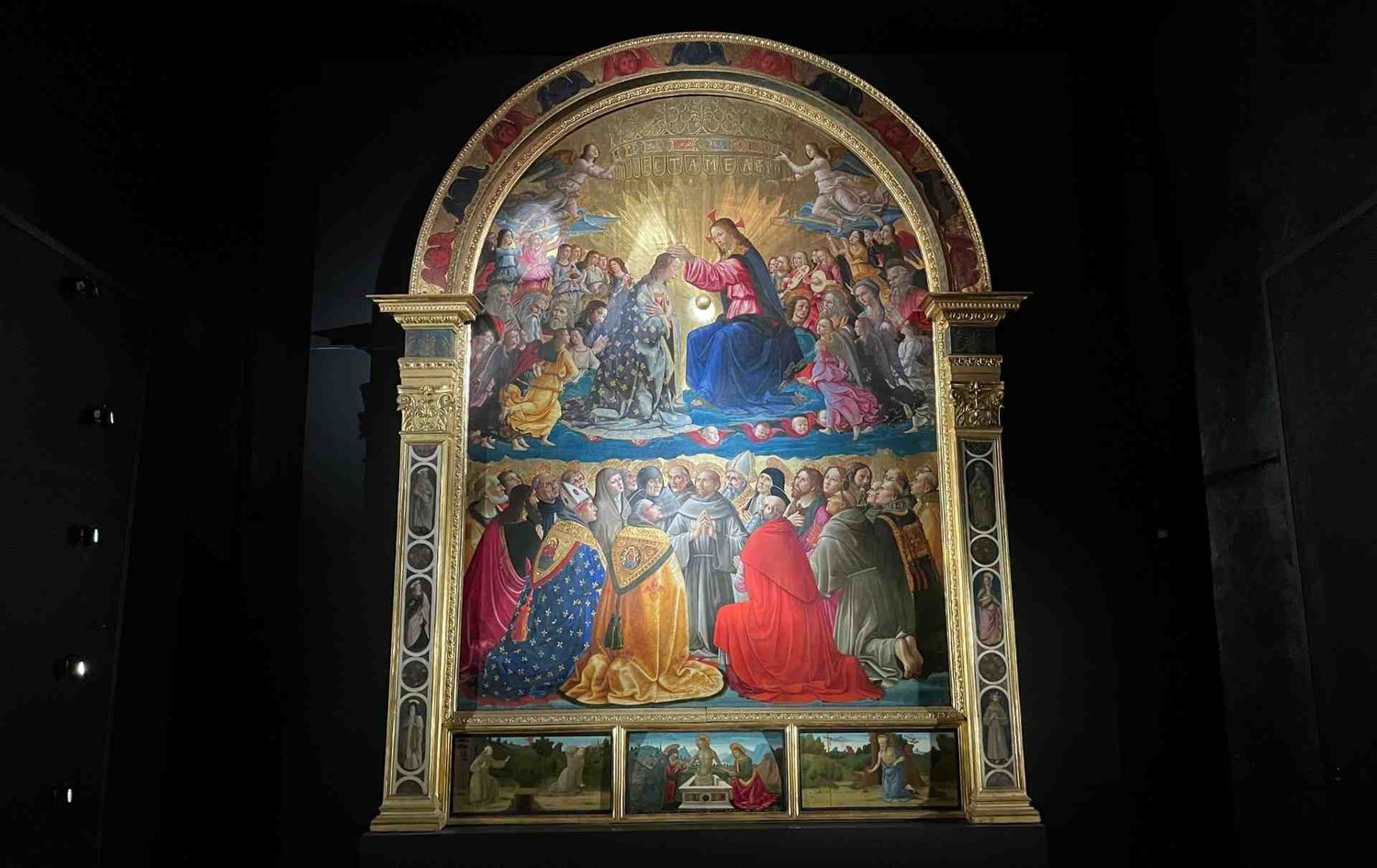
The museum’s core collection is anchored by magnificent 17th-century paintings, a period defined by dramatic religious narratives and the masterful use of light and shadow. These canvases, often created under the patronage of influential local families, capture the intense piety and stylistic grandeur characteristic of the era. Beyond the realm of fine art, the Pinacoteca preserves the tangible echoes of Narni’s Roman and Etruscan roots. Visitors can wander among remarkable artifacts, including ancient coins and ceramics unearthed from the surrounding landscape, which illuminate the daily rhythms of life during the Roman dominion and provide a grounded, physical connection to the region's storied antiquity.
Architectural Grandeur and the Spirit of Place
The setting of the collection is as significant as the art it houses. The Pinacoteca Comunale resides within the Palazzo del Capitano , a historic structure that breathes life into the museum’s atmosphere. While its exact origins remain shrouded in the mists of time, the architectural elements suggest a lineage stretching back centuries, mirroring Narni’s own deep-seated connection to Roman history. The palazzo's façade, embodying the dignified grandeur of the Umbrian Renaissance, provides a majestic backdrop that prepares the visitor for the contemplative beauty found within its walls.
What truly distinguishes the Pinacoteca Comunale is its understated charm and curated scale. Unlike sprawling institutions where masterpieces can feel lost in vast corridors, this museum allows for an immersive experience. For the interior designer or the collector of cultural experiences, the museum offers a masterclass in how space and history can harmonize to foster deep emotional resonance. It is a space designed not just for viewing, but for feeling—a place where the subtle shifts in light and the quiet dignity of ancient structures invite a profound meditation on the passage of time.
A Legacy of Innovation and Contemporary Dialogue
Throughout its history, the Pinacoteca Comunale has acted as a vibrant stage for significant exhibitions that bridge the gap between eras. The museum has frequently turned its focus to the Baroque period, celebrating the opulent ornamentation and complex compositions that once transformed the artistic landscape of central Italy. More recently, the institution has embraced contemporary interpretations of Umbrian art, fostering a dynamic dialogue between historical traditions and modern perspectives. This commitment to evolution ensures that the museum remains a living entity, constantly enriching the intellectual and aesthetic landscape of the region.
Today, the Pinacoteca Comunale stands as a testament to Narni’s enduring commitment to preserving its cultural treasures. It remains a vital destination for those who seek authenticity—a place where the beauty of the past is not merely preserved in glass cases but is actively celebrated and reinterpreted for future generations. Whether one is drawn by the technical mastery of 17th-century brushwork or the silent stories told by Roman relics, the museum offers an unforgettable encounter with the very essence of Umbrian identity.