

A Princely Legacy: Unveiling the Secrets of Salzburg’s Residenzgalerie
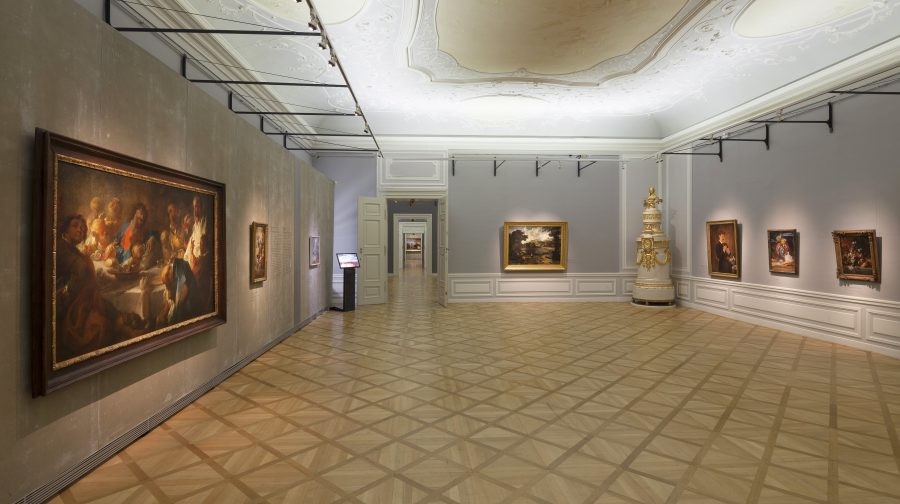
Nestled within the heart of Salzburg’s UNESCO World Heritage-listed DomQuartier, the Residenzgalerie isn't merely a museum; it’s a portal. A meticulously curated journey through centuries of artistic evolution, born from the opulent patronage of Salzburg’s Prince-Archbishops and shaped by their unwavering devotion to beauty. Stepping into its Baroque chambers is akin to entering a private world—a testament to power, faith, and an enduring commitment to preserving European art heritage. The very stones whisper tales of bygone eras, amplifying the splendor of the masterpieces housed within, while the architecture itself – a symphony of stucco, frescoes, and soaring ceilings – serves as a breathtaking backdrop for this extraordinary collection.
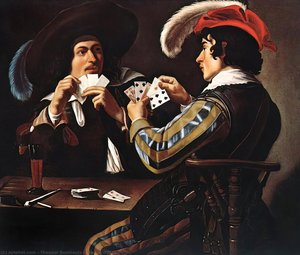
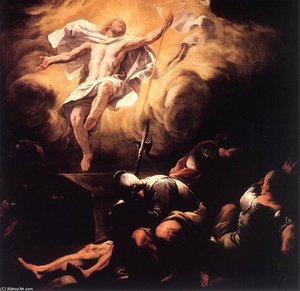
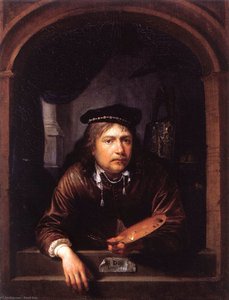
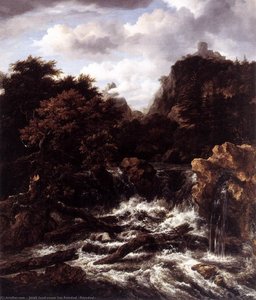
The Residenzgalerie’s reputation rests firmly on two pillars: its exceptional assembly of Dutch Golden Age paintings and its compelling representation of Austrian art from the 19th century. Here, you'll encounter the masterful brushstrokes of Rembrandt and Rubens, their canvases alive with light and shadow, capturing the very essence of human emotion and everyday life. The collection’s roots trace back to the esteemed Czernin Gallery, a private assemblage amassed between 1800 and 1845 by Count Johann Rudolf Czernin von und zu Chudenitz – a connoisseur whose refined taste ensured an unparalleled concentration of 17th-century Dutch and Flemish masterpieces. The story of this collection’s transformation from a personal treasure to a public legacy is, in itself, a poignant reminder of art's ability to transcend ownership and become a shared cultural inheritance. Beyond the core collection, the museum regularly hosts special exhibitions that illuminate specific themes or artists, ensuring a constantly evolving experience for returning visitors.
- Dutch Masters: Rembrandt’s profound portraits, Rubens’ dynamic compositions, and the meticulous realism of Carel Fabritius (famously depicted in “The Little Street”) are central to the gallery's allure.
- Austrian Visions: Witness the evolution of Austrian painting from Waldmüller’s grounded realism – capturing the landscapes and people of his time with remarkable detail – through the dramatic romanticism of Makart, a pivotal figure in shaping Austria’s national artistic identity.
The Architectural Context: A Royal Residence Transformed
To truly appreciate the Residenzgalerie, one must understand its profound connection to the DomQuartier – a historical heartland of Salzburg's religious and political life. For centuries, this area served as the residence of powerful Prince-Archbishops, figures who wielded considerable influence over the region. The architecture itself speaks volumes about their authority and refined sensibilities; grand halls adorned with intricate stucco work, reflecting the wealth and power of the archiepiscopate. Originally conceived as private chambers within the sprawling archiepiscopal residence, these rooms were designed not just for living but also to showcase the artistic treasures amassed by their patrons. The very walls seem to echo with the footsteps of dignitaries and the hushed reverence of those who studied the artworks within.
The museum’s layout is a deliberate reflection of this history. The collection is presented in eleven rooms, each meticulously restored to evoke the atmosphere of the original princely chambers. The most striking examples are the northern rooms, adorned with elaborate Baroque stucco work commissioned by Archbishop Franz Anton Harrach – a testament to his artistic sensibilities and a stunning example of 18th-century craftsmanship.
A Living History: Beyond the Permanent Collection
The Residenzgalerie is more than just a static display of art; it’s a dynamic institution actively engaged in preserving and promoting its collection. Beyond the permanent exhibition, the museum regularly hosts special events, lectures, and workshops that delve deeper into specific artworks or artistic movements. A fascinating library, accessible by appointment, offers researchers and art enthusiasts invaluable resources for further exploration – a treasure trove of scholarly texts, catalogues, and archival materials.
Furthermore, the museum’s commitment to preservation is evident in ongoing conservation efforts, exemplified by the recent restoration of Astrid Ducke & Thomas Habersatter's work on Rembrandt’s “Old Woman Praying.” This meticulous process aimed to return the painting to its original artistic intent, revealing obscured details and ensuring its longevity for future generations.
An Invitation to Immerse Yourself
The Residenzgalerie Salzburg offers more than just an opportunity to view beautiful paintings; it provides a chance to connect with the past, to understand the motivations of artists and patrons, and to appreciate the enduring power of artistic expression. Its intimate scale fosters a personal engagement that is often lost in larger institutions, allowing visitors to truly savor each masterpiece. Whether you are a seasoned collector, an interior designer seeking inspiration for opulent spaces, or simply an art lover eager to expand your horizons, the Residenzgalerie promises an unforgettable experience – a journey through art history within the walls of a princely residence. Don’t miss the chance to explore this hidden gem in the heart of Salzburg!