

A Living Laboratory of Artistic Synergy
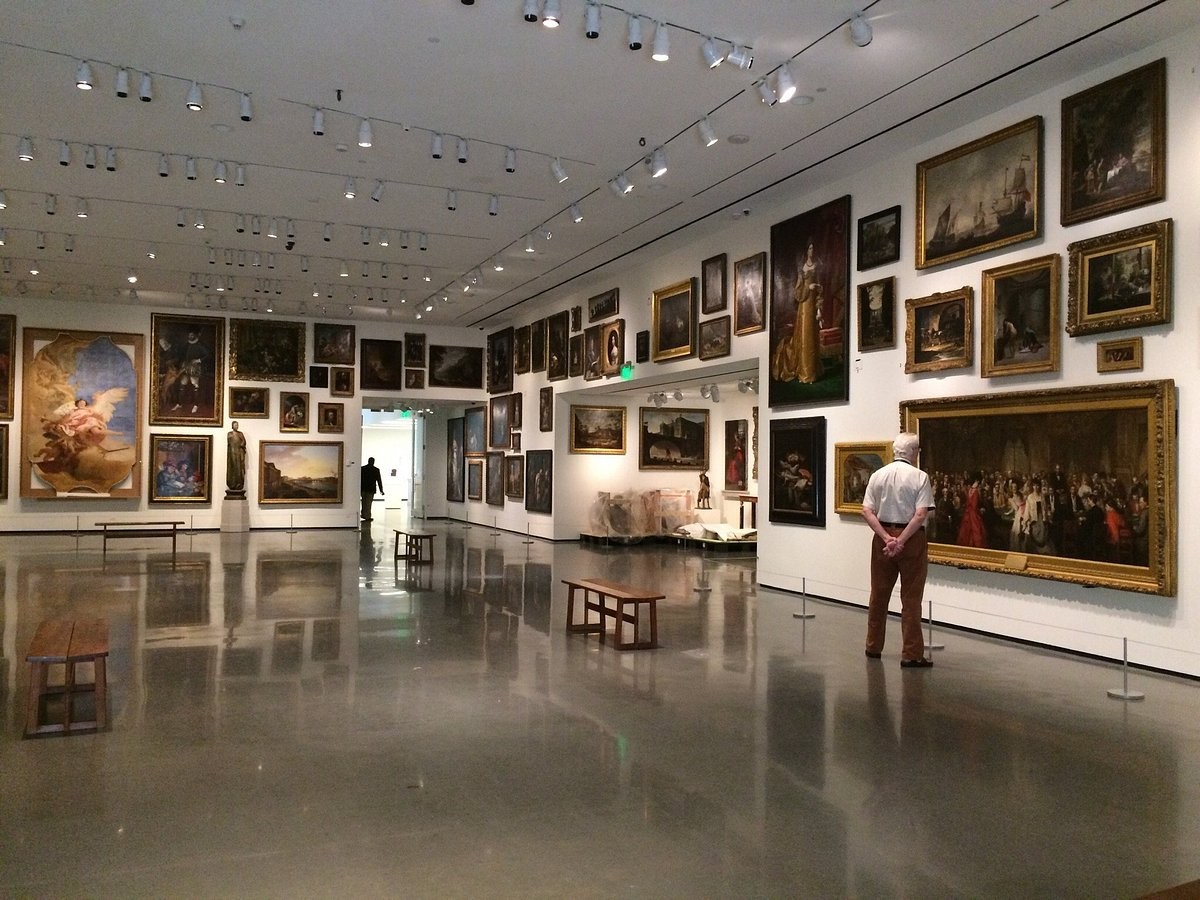
Nestled in the historic heart of Providence, Rhode Island, the RISD Museum stands as a profound testament to the powerful synergy between artistic creation and rigorous education. More than just a repository of beautiful objects, it functions as a living laboratory where generations of artists and designers have honed their skills, drawn inspiration, and challenged conventional boundaries. Founded in 1877 alongside the Rhode Island School of Design itself, the museum was never conceived as a detached monument to the past; rather, it was born as an integral component of a forward-thinking institution dedicated to shaping the future of art and design. This deep-rooted connection to pedagogy ensures that every object within its walls breathes with the spirit of inquiry and the pursuit of mastery.
The architectural landscape of the museum mirrors this journey through time, presenting a fascinating patchwork of historic structures that seamlessly interweave with modern innovation. Visitors wander through the venerable Waterman Building, the Pendleton House, and the Metcalfe Building, each contributing its own unique character and historical weight to the experience. This evolution reaches a stunning crescendo in the Chace Center, designed by the renowned José Rafael Moneo. Acting as a sophisticated connective tissue, this modern addition bridges the old and the new, providing state-of-the-art gallery spaces that allow contemporary voices to resonate alongside classical traditions. It is an architectural dialogue that reflects the museum's own metamorphosis from a humble collection of etchings into the 20th largest art museum in the United States.
A Tapestry of Global Treasures and Decorative Mastery
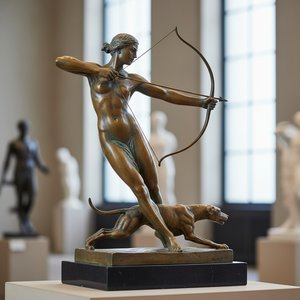
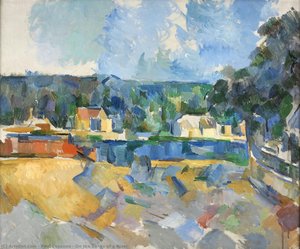
To step inside the RISD Museum is to embark on a journey across millennia and continents, encountering a collection that is remarkably diverse and deeply evocative. One cannot help but be captivated by the exceptional holdings of Chinese sculpture, where the intricate craftsmanship of jade, bronze, and terracotta offers a window into the profound cultural symbolism and spiritual rituals of ancient dynasties. These deities and mythical creatures stand in silent, beautiful conversation with the museum’s luminous Impressionist paintings. In these galleries, one can lose themselves in the fleeting play of light and atmosphere, exemplified by the serene beauty of Winslow Homer's Girl and Daisies , a masterpiece that captures the golden essence of American rural life.
What truly distinguishes the RISD Museum from its peers, however, is its pioneering commitment to the decorative arts. It holds the distinction of being the first museum in the United States to dedicate an entire wing to these often-overlooked treasures, ranging from exquisite furniture and ceramics to intricate carpets and textiles. This bold curatorial decision recognizes that true artistry permeates every aspect of our material world, offering invaluable insights into the social and economic textures of human history. From the scientific precision found in James Lippitt Clark's wildlife sculptures to the evocative landscapes of Arthur Emillien Deshaies, the collection celebrates the intersection of utility, beauty, and storytelling.
A Legacy of Provocation and Community
The history of the RISD Museum is punctuated by moments of bold experimentation that have redefined the boundaries of the museum experience. The transformative tenure of director Alexander Dorner in the early 20th century shifted the institution's focus from a purely classical orientation toward a more contemporary, holistic sensibility, advocating for the inseparable link between art and design. This spirit of radical innovation reached its zenith in 1970 with the groundbreaking exhibition Raid the Icebox , curated by the legendary Andy Warhol. By delving into the museum’s archives to create a deliberately chaotic and provocative display, Warhol challenged viewers to reconsider their assumptions about how art is presented, cementing the museum's reputation as a champion of artistic dialogue.
Today, the museum remains a vibrant community hub, offering a diverse range of programs that appeal to art lovers, collectors, and designers alike. Whether one is exploring the rich cultural heritage found in Naltwud/Nalsud’s Western Apache violin bows and sculptures or finding quiet inspiration in the coastal precision of William Trost Richards' watercolors, the museum provides an accessible sanctuary for discovery. It remains a place where the past is not merely preserved but actively engaged, ensuring that the dialogue between tradition and innovation continues to inspire new generations of creators.