
A Sanctuary of Silent Guardians: The Art of Alleviating Suffering
Nestled within the historic heart of London at 35 Red Lion Square, the Royal College of Anaesthetists Museum offers a profound departure from the grand, often boisterous cultural landmarks that define the city. It is not a gallery of vibrant oils or imposing marble sculptures, but rather a sanctuary dedicated to a different kind of masterpiece: the quiet revolution of human ingenuity known as anesthesia. To step across its threshold is to enter a space where science and compassion converge, tracing a delicate lineage from the rudimentary, often harrowing beginnings of pain relief to the sophisticated, life-sustaining practices of the modern era. The museum serves as a poignant testament to the relentless pursuit of mercy, acting as a repository for the tools and stories that have allowed surgery to evolve from a desperate last resort into a precise and painless art form.
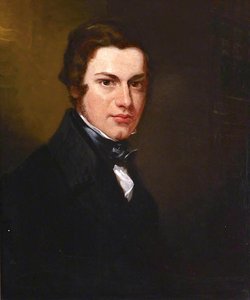
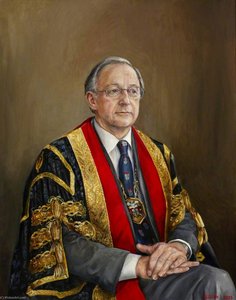
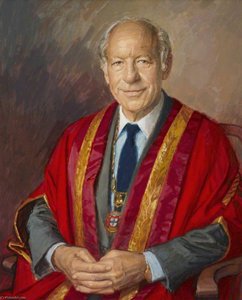
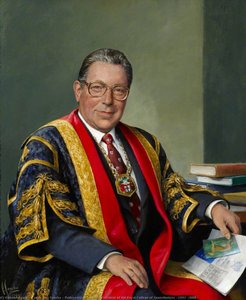
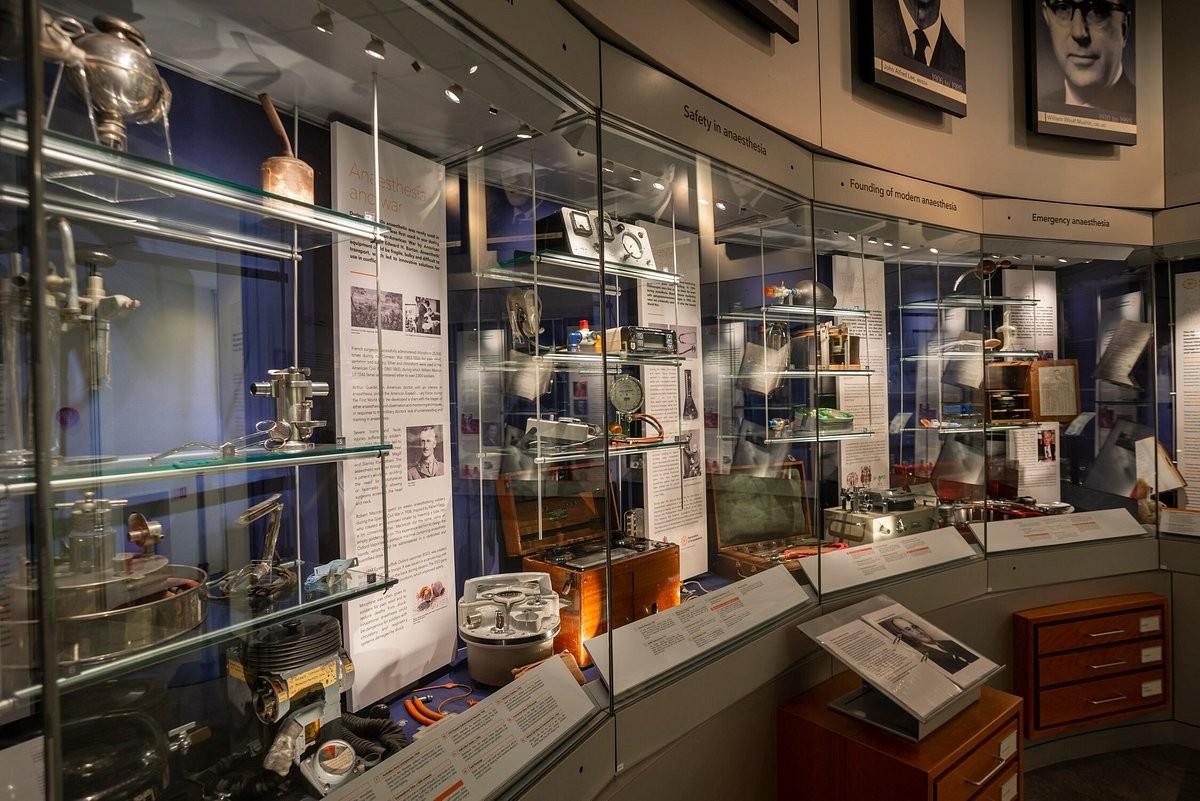
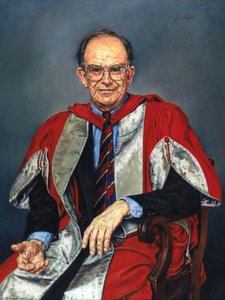
The collection itself is a curated tapestry of over 4,500 objects, each whispering tales of medical breakthroughs and the dedicated hands that facilitated them. Visitors are greeted by vintage anesthetic machines that stand like silent sentinels; their polished brass fittings and intricate, clockwork-like mechanisms evoke an era when the administration of anesthesia was as much about intuition and skill as it was about chemistry. These artifacts are more than mere relics; they represent pivotal moments in surgical history where the impossible became achievable. Interwoven with these technological marvels are historical photographs and handwritten documents—intimate traces of pioneering practitioners whose notes and early textbooks detail the emergence of new frontiers in critical care. The museum’s walls are further enriched by evocative portraiture, such as the works of Keith Breeden, which capture the solemn gaze of Professor Peter Hutton and the thoughtful expression of Judith Hulf. These portraits provide a vital human connection, transforming historical figures into living legacies of leadership and scholarly pursuit.
The architecture of the Royal College itself mirrors the very progress it celebrates, blending traditional London elegance with a forward-looking functionality. The building is an embodiment of stability and evolution, designed to foster both deep reflection and active learning. Within its galleries, natural light floods the spaces, illuminating the metallic sheen of antique apparatus and casting a soft glow upon the historical archives, creating an atmosphere that feels more like a contemplative study than a sterile medical institution. This thoughtful design underscores a commitment to honoring the weight of the past while embracing the bright innovations of the future. The soaring ceilings and expansive windows speak to the grand ambitions of those who championed the specialty, providing a dignified stage for the artifacts of progress.
What truly distinguishes this institution is its singular, unwavering focus on the history of anesthesia and critical care—a field that often remains in the shadows of broader medical narratives. Unlike larger museums that attempt to encompass the entirety of human medicine, this museum delves deeply into the nuances of pain management and resuscitation. Recent exhibitions have masterfully highlighted the collaborative spirit required for surgical advancement, exploring how innovation directly translates to improved patient outcomes. Furthermore, the museum engages with the profound ethical dimensions of healthcare, reminding us that every technological leap must be tempered by responsibility and care. For the art lover or the designer of contemplative spaces, the Royal College of Anaesthetists Museum offers a unique aesthetic experience: a place where the beauty of human intellect is displayed through the very instruments that have guarded us through our most vulnerable moments.