


A Legacy of Healing and Artistic Reflection
Nestled in the historic heart of Scotland's capital, the Royal College of Surgeons of Edinburgh stands as a profound testament to the centuries-old dialogue between medical science and artistic expression. To step into the Surgeons’ Hall Museums is to embark on an intellectual adventure where the boundaries between the clinical and the creative dissolve. Founded in 1505 as the Edinburgh Guild of Barbers and Surgeons, this venerable institution has evolved from a local guild into a global beacon of surgical excellence, yet it remains deeply rooted in the visual culture of its heritage. The museum serves not merely as a repository for medical artifacts but as a sanctuary where the evolution of human understanding is etched into every specimen and canvas.
The collection itself is an extraordinary assemblage that captures the poignant reality of the human condition. Visitors are met with a meticulous display of anatomical models and detailed pathology slides, which serve as silent, powerful reminders of the relentless pursuit to decode human physiology. Alongside these scientific treasures lies a dazzling array of surgical instruments, tracing a technological lineage from the humble quill pen to the sophisticated precision of modern robotic surgery. This collection is further enriched by captivating medical memorabilia and intricate dioramas that illuminate the transformative journey of medicine, offering a visceral connection to the pioneers who shaped our modern healthcare landscape.
Architectural Grandeur and the Spirit of Place
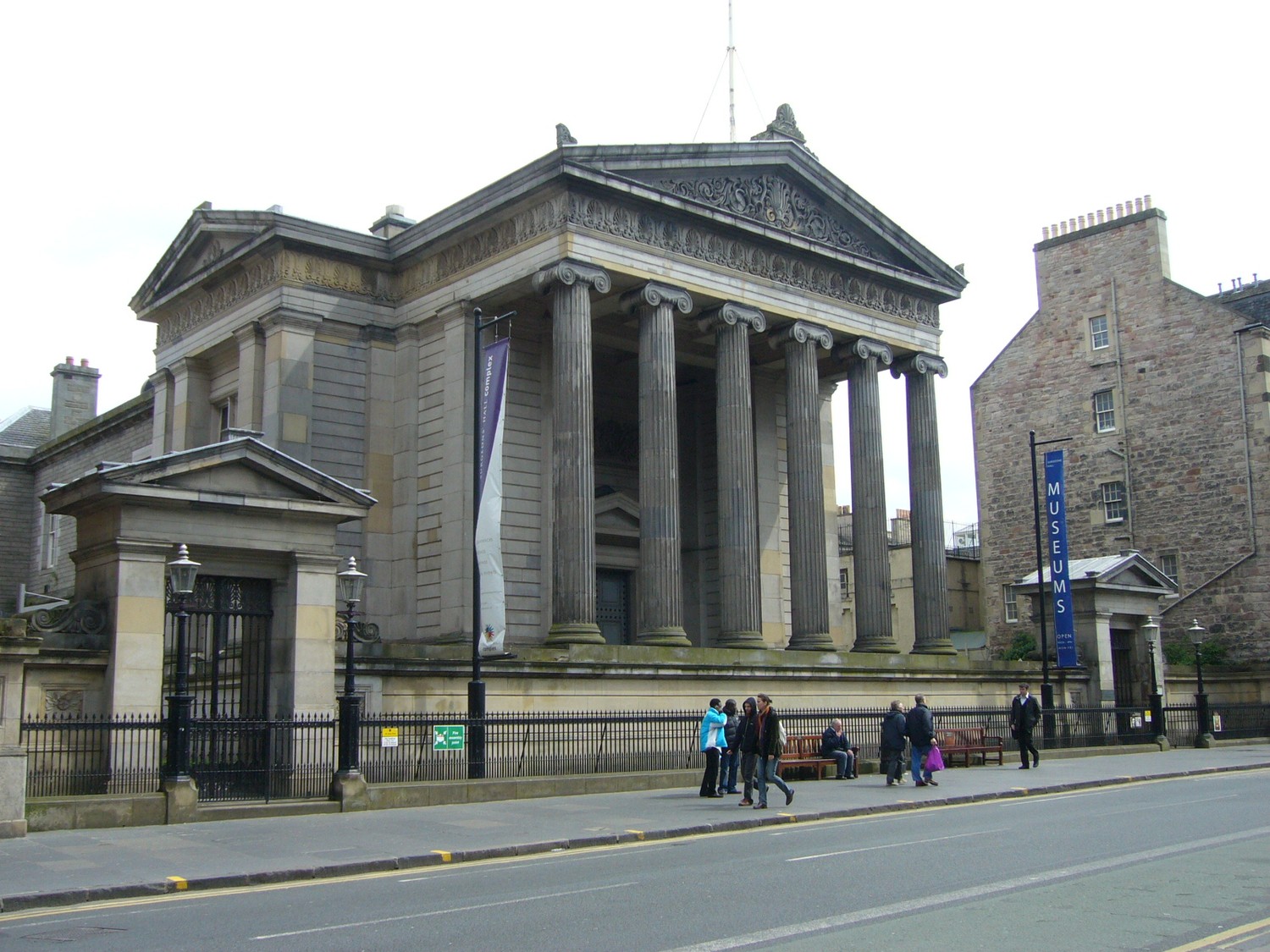
The physical setting of the museum is as much a masterpiece as the artworks it houses. Surgeons’ Hall is a triumph of neoclassical design, a category A listed building completed in 1832 by the renowned architect William Henry Playfair. As one moves through the space, the soaring vaulted ceilings and elegant marble floors evoke the intellectual dynamism of Victorian Britain, creating an atmosphere of reverence and contemplation. Playfair’s masterful command of light and proportion does more than provide a functional space; it creates a cathedral of science that inspires awe in every visitor.
Within these walls, the architecture facilitates a unique encounter with history. The grandeur of the hall reflects the College's commitment to tradition while providing a monumental stage for its scientific achievements. For the art lover and the interior designer alike, the museum offers a masterclass in how structural elegance can elevate the narrative of the objects within it, making the very air of the institution feel heavy with the weight of discovery and the beauty of classical form.
Where Science Meets the Canvas
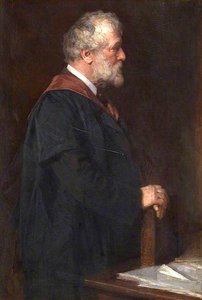
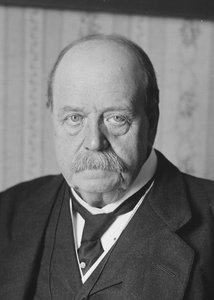
What truly distinguishes the Royal College of Surgeons of Edinburgh is its profound ability to foster a dialogue between the empirical and the aesthetic. The museum frequently explores the deep-seated connections between anatomical illustration and artistic representation, demonstrating how visual mediums have served as essential tools for disseminating knowledge and shaping our perceptions of the human body. This intersection is beautifully embodied in the portraits that grace its halls, such as the commanding likeness of Sir Henry Duncan Littlejohn or George Agnew Reid’s evocative 1894 oil painting of Sir Patrick Heron Watson. These works are far more than mere biographical records; they capture the very essence of professional prestige and the stoic character of a bygone era.
This fusion of disciplines is also evident in recent exhibitions that bridge the gap between landscape and human experience. A notable example is “Waiting for Rhona” by Kate Downie, a stunning landscape painting that captures the serene beauty of the Scottish countryside while simultaneously offering a poignant reflection on human resilience. It is this unique ability to weave together the scientific rigor of surgery with the emotional depth of fine art that makes the RCSEd Museums an indispensable destination for those seeking to understand the enduring power of visual storytelling and the shared history of human innovation.