
A Brussels Renaissance: Exploring the Royal Museums of Fine Arts of Belgium
In the heart of Europe, within the elegant cityscape of Brussels, lies a treasure trove of artistic expression – the Royal Museums of Fine Arts of Belgium. More than simply a repository for masterpieces, this institution is a living chronicle of Belgian artistry, spanning centuries and movements, from the profound religious devotion captured by early Flemish masters to the unsettling dreamscapes conjured by René Magritte. Founded under Napoleon’s decree in 1803, the museum complex has evolved organically, mirroring Belgium's own journey through history – a testament to resilience, innovation, and an unwavering commitment to cultural expression.
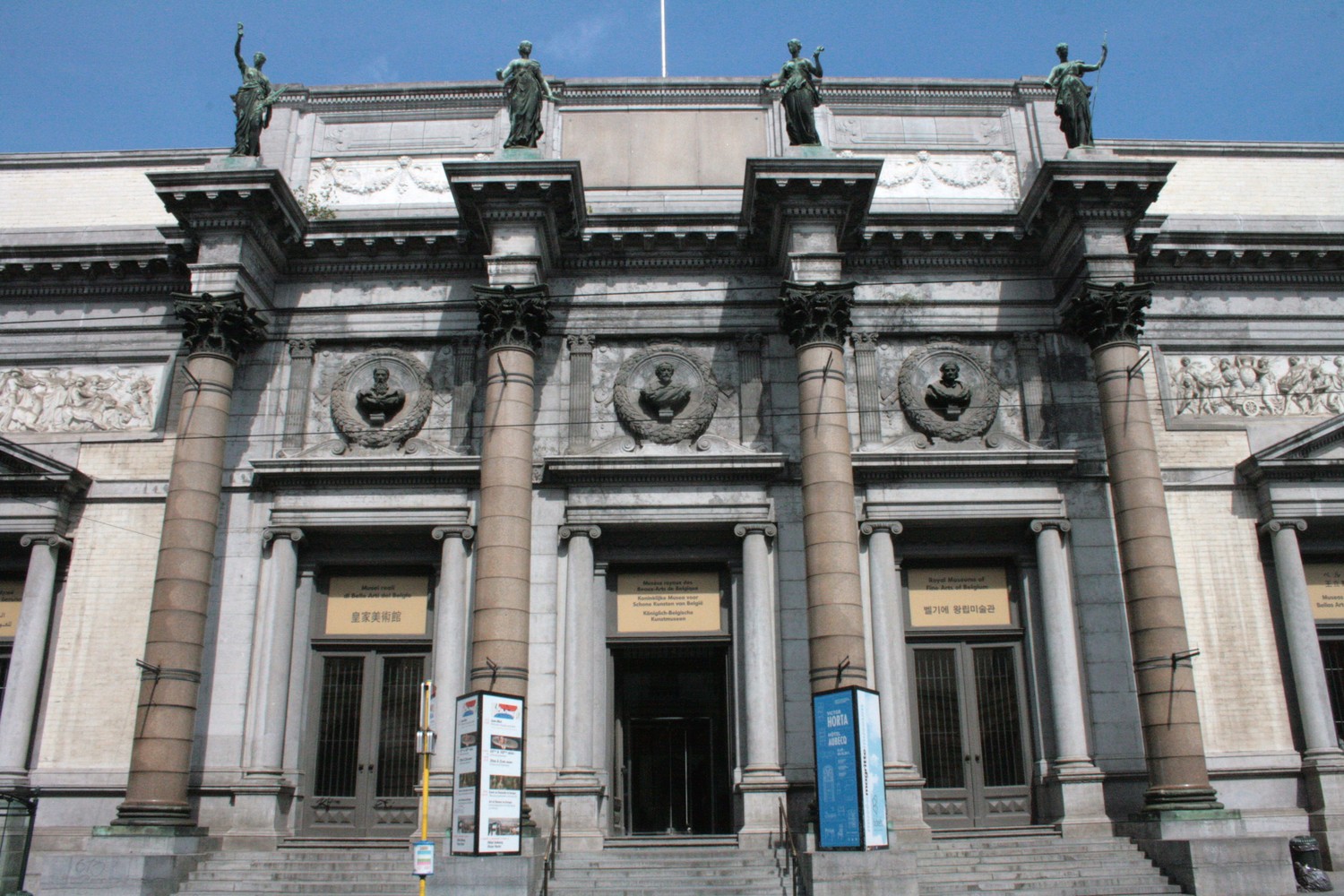
The very architecture of the Royal Museums speaks volumes about its layered past. The foundations lie within the elegant Palace of Charles of Lorraine, once a regal residence, now seamlessly integrated into the museum’s fabric. This historic core is beautifully complemented by the neoclassical grandeur of Alphonse Balat's Palace of Fine Arts, inaugurated in 1880 – a structure that itself became an instant landmark, embodying the artistic ambitions of a burgeoning nation. Walking through these halls isn’t merely observing art; it’s traversing time, experiencing the echoes of royal courts and the fervor of artistic revolutions.
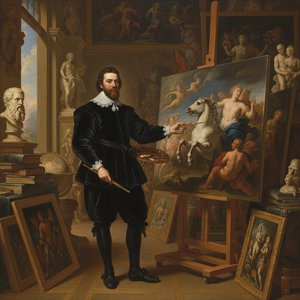
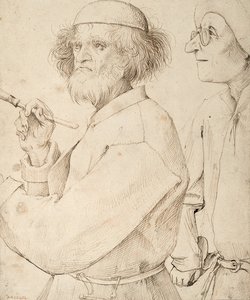
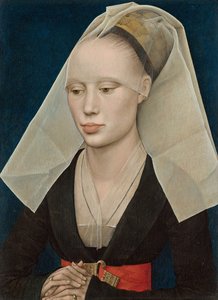
The museum's strength resides in its remarkably diverse collection. The Old Masters Museum is a pilgrimage for those captivated by meticulous detail and spiritual depth. Here, one encounters the profound realism of Rogier van der Weyden, whose depictions of sorrowful Madonnas seem to breathe with life; the earthy narratives of Robert Campin, grounding the sacred in everyday existence; and the dynamic compositions of Jacob Jordaens, bursting with energy and a robust celebration of human experience. These artists didn’t merely paint scenes; they constructed worlds imbued with symbolism and emotion, reflecting the religious fervor and burgeoning mercantile spirit of their time. But the museum doesn't dwell solely on the past. The Fin-de-Siècle Museum offers a fascinating glimpse into the Symbolist movement, showcasing the evocative works of James Ensor and Fernand Khnopff, whose paintings are steeped in mystery and psychological intrigue – a reflection of the anxieties and uncertainties that characterized the turn of the century.
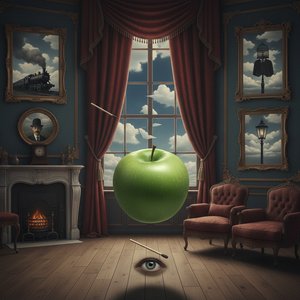
And then there is Magritte. No exploration of Belgian art would be complete without immersing oneself in the world of René Magritte. The dedicated Magritte Museum houses the largest collection globally, offering an unparalleled opportunity to decipher the enigmatic symbols and unsettling juxtapositions that define his surrealist vision. His bowler-hatted men, floating rocks, and impossible landscapes challenge our perceptions of reality, inviting us to question the very nature of seeing and believing. Magritte’s influence extends far beyond the realm of painting , permeating popular culture and inspiring generations of artists and thinkers.
What truly sets the Royal Museums apart is its dedication to showcasing the full spectrum of Belgian artistic talent. It's not simply a showcase for celebrated names; it's a celebration of a national identity forged through creative expression. The Modern Museum continues this narrative, charting the evolution of art from the 20th century onwards, highlighting both established figures and emerging voices. Beyond its permanent collections, the museum actively engages with contemporary artistic dialogues, hosting thought-provoking exhibitions that challenge perspectives and inspire new interpretations. This commitment to education extends beyond gallery walls, offering guided tours, workshops, and programs designed to engage visitors of all ages and backgrounds. For collectors seeking inspiration, interior designers envisioning sophisticated spaces, or art enthusiasts simply yearning for a profound aesthetic experience, the Royal Museums of Fine Arts of Belgium offers an unforgettable journey – a true treasure trove in the heart of Europe.
A Legacy of Artistic Patronage
The story of the Royal Museums is inextricably linked to the history of Belgium itself. Born from the Napoleonic era, the initial collection was assembled through both acquisition and restitution – a blend of imperial ambition and a growing national consciousness. The 19th century witnessed a period of significant expansion, fueled by royal patronage and a burgeoning sense of Belgian identity. The museum became a symbol of national pride , showcasing the artistic achievements of its people to the world.
Exploring the Collections: A Journey Through Time
- Old Masters Museum: Flemish Primitives, Renaissance masterpieces, and Baroque grandeur.
- Magritte Museum: The largest collection of works by René Magritte, a cornerstone of Surrealism.
- Fin-de-Siècle Museum: Symbolist and Impressionist paintings reflecting the anxieties and aesthetic shifts of the late 19th century.
- Modern Museum: A diverse collection charting the evolution of art from the early 20th century to the present day.
A Hub for Contemporary Dialogue
The Royal Museums are not merely guardians of the past; they are active participants in the ongoing conversation about art and culture. Through a dynamic program of temporary exhibitions, lectures, and workshops, the museum fosters critical engagement with contemporary issues and supports emerging artists. This commitment to innovation ensures that the Royal Museums remain a vital cultural force, inspiring creativity and enriching the lives of visitors from around the globe.