

A Baroque Masterpiece: The Soul of Venaria Reale
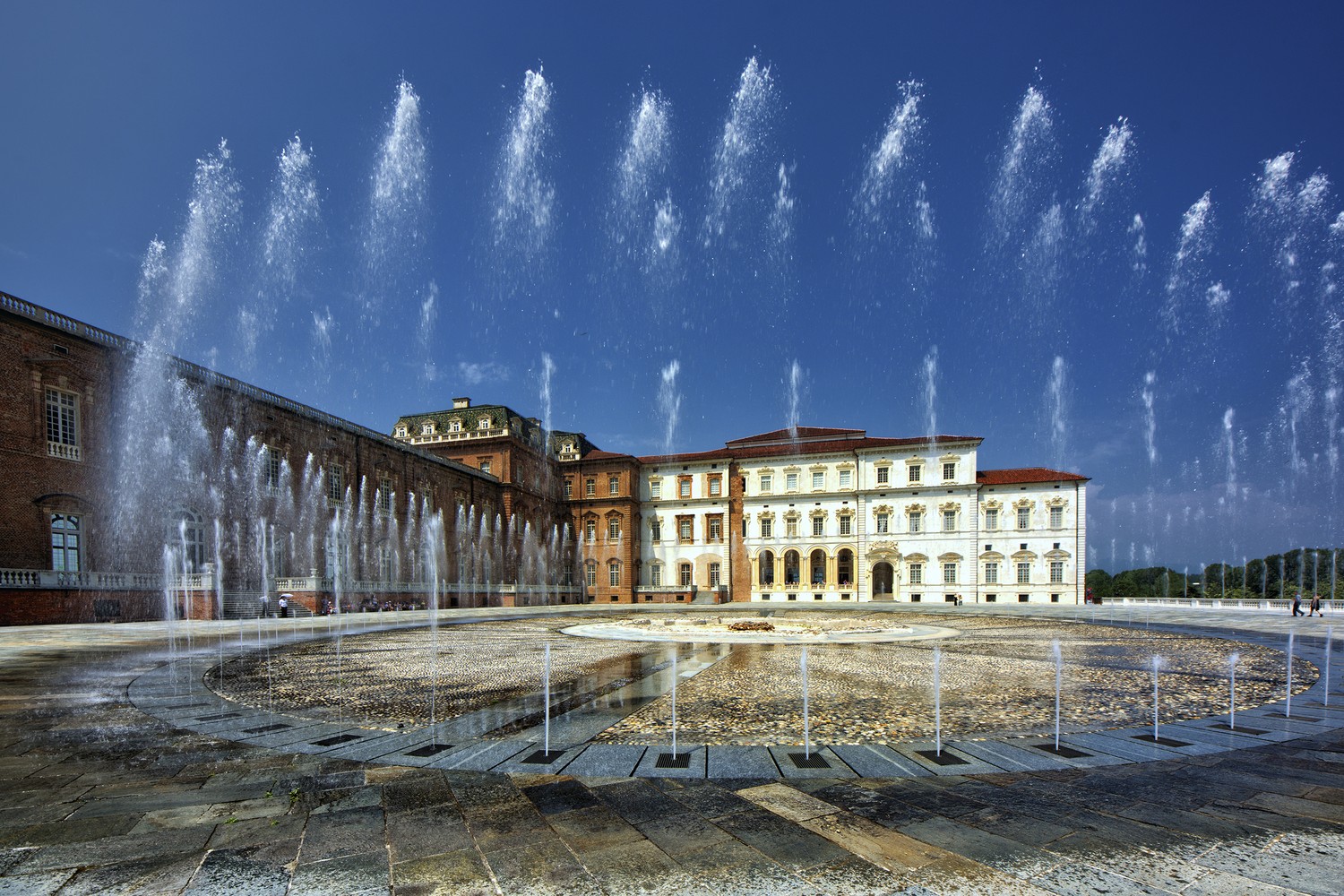
To step into the Royal Palace of Venaria Reale is to surrender to a meticulously staged dream, where the boundaries between architecture, art, and nature dissolve into a singular expression of Baroque grandeur. Located in the verdant hills near Turin, this sprawling complex is far more than a mere monument to the Savoy dynasty; it is an immersive theatrical experience that captures the very essence of 17th-century ambition. Originally envisioned by Charles Emmanuel II as a magnificent hunting lodge, the palace rapidly evolved into one of Europe’s most ambitious royal residences, a transformation that reflects the shifting tides of power and the relentless pursuit of aesthetic perfection. Today, as a UNESCO World Heritage Site, Venaria stands as a breathtaking testament to an era when architecture was used to sculpt light, space, and emotion.
The architectural dialogue within the palace is a masterclass in synergy, born from the combined genius of Amedeo di Castellamonte and Filippo Juvarra. Nowhere is this more evident than in the Galleria Grande , the palace's crowning achievement. As one traverses this monumental hall, the eyes are drawn upward to soaring ceilings adorned with intricate marble decorations and vibrant frescoes that depict mythological scenes and allegorical representations of royal authority. The interplay between light and shadow across the checkered floors creates a rhythmic, almost musical movement, a hallmark of Juvarra’s ability to elevate structural design into profound artistic expression. This sense of drama is echoed in the Chapel of Saint Uberto, where religious artistry meets the aristocratic spirit of the hunt, offering a subtle, poignant reminder of the palace's rustic origins amidst its overwhelming opulence.
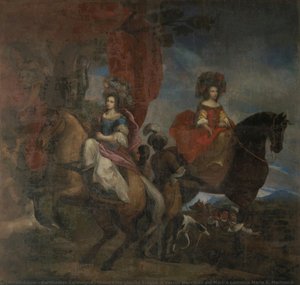
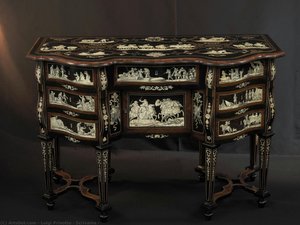
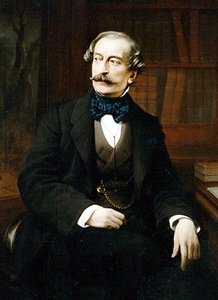
Beyond the stone and marble, the collection offers intimate glimpses into the lived reality of the Savoy rulers. The walls are adorned with works by masters such as Massimo d'Azeglio, whose Romantic landscapes weave layers of historical narrative and national identity into the palace's visual tapestry. These paintings, alongside original period furnishings and exquisite decorative elements, allow the modern visitor to touch the pulse of a bygone era. For the collector or the lover of fine detail, the palace serves as an unparalleled archive of taste, where every gilded ornament and silken textile tells a story of prestige and cultural sophistication.
The legacy of Venaria Reale is also one of remarkable resilience and rebirth. After enduring periods of neglect during the Napoleonic Wars and the challenges of 20th-century military occupation, the palace underwent one of Europe’s most significant restoration projects beginning in 1978. This monumental effort did not merely repair walls; it breathed life back into a fading glory, revealing the intricate connection between the palace and its formal French-style gardens. These expansive grounds, with their geometric flowerbeds and panoramic vistas, extend the palace's architectural logic into the natural world, creating a harmonious balance that has influenced grand estates across the continent. Today, Venaria Reale continues to thrive as a dynamic cultural hub, where historical majesty meets contemporary innovation, ensuring its place as an eternal beacon of artistic excellence.