
A Sanctuary of Spirit: The Living Legacy of the Rubin Museum
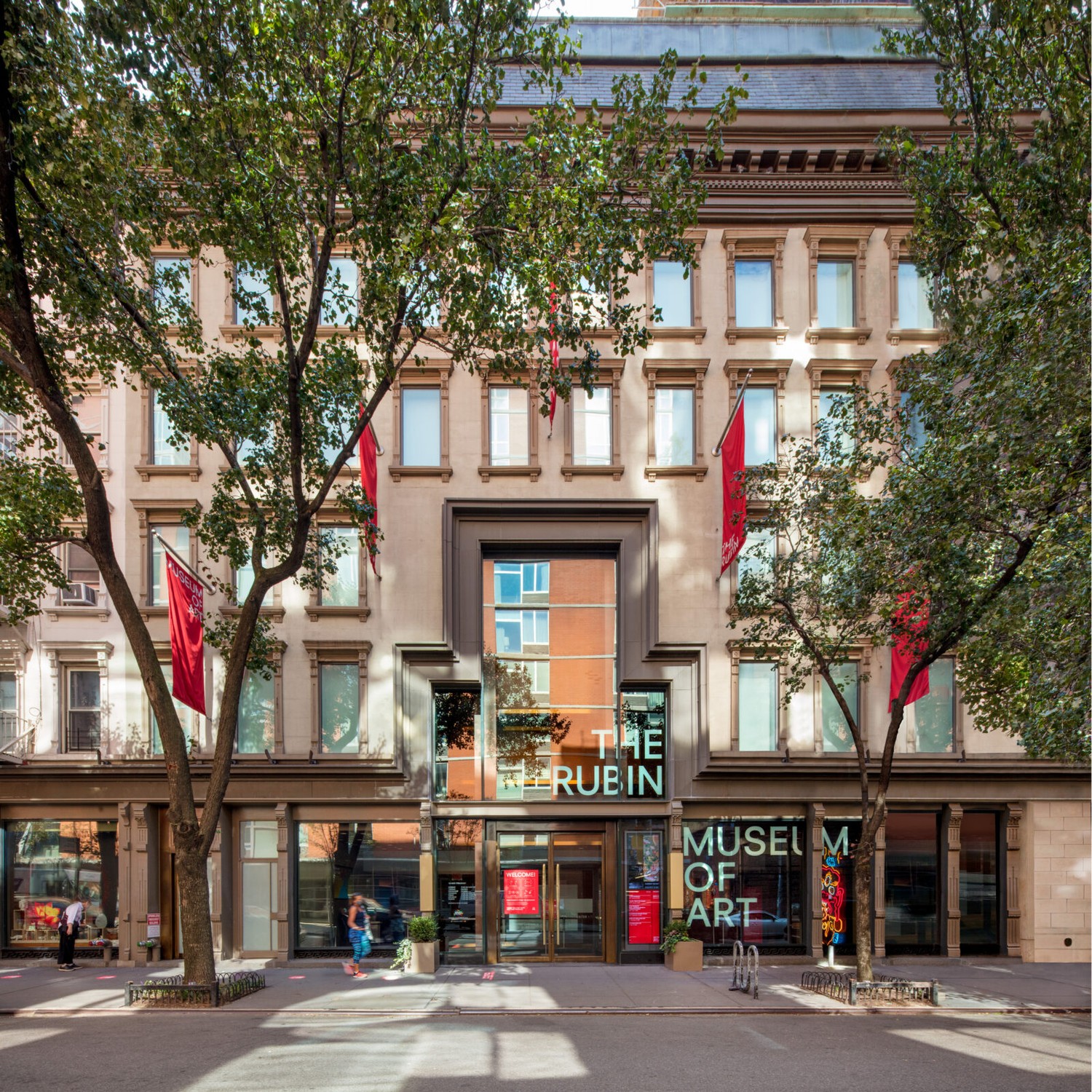
In the bustling, rhythmic heart of Manhattan, where the concrete canyons of Chelsea meet the relentless energy of New York City, lies a profound sanctuary of stillness and light. The Rubin Museum of Art is not merely a repository for ancient relics; it is a vibrant bridge connecting the ephemeral modern world to the eternal wisdom of the Himalayas. To step through its doors is to leave the cacophony of the streets behind and enter a realm where spirituality, color, and storytelling coalesce into a breathtaking panorama of human devotion. The museum serves as a luminous testament to the enduring artistic legacies of Tibet, Nepal, Bhutan, and the broader Indian subcontinent, offering an immersive experience that transcends the boundaries of time and geography.
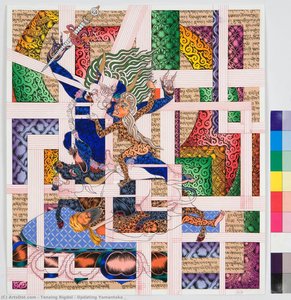
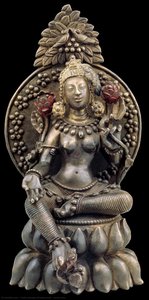
The soul of the collection resides in its extraordinary ability to transport the viewer into intricate cosmologies. Visitors are often first captivated by the Ancient Tibetan Thangkas —meticulously rendered silk scrolls where every brushstroke serves a sacred purpose, depicting Buddhist deities with a precision that feels both mathematical and divine. These paintings, alongside iconic religious sculptures that embody compassion and enlightenment, create a dialogue between the material and the metaphysical. For the discerning collector or art lover, these works represent more than historical artifacts; they are masterclasses in symbolic language, where every pigment and posture carries a weight of profound meaning, making them essential studies for anyone captivated by the intersection of fine art and spiritual practice.
The architecture of the museum itself acts as a silent narrator of this cultural fusion. The building, once a grand fashion department store, has been reimagined through a harmonious blend of modern aesthetics and subtle Himalayan motifs. Designed with an emphasis on spatial flow and natural light, the galleries are arranged to encourage a meditative pace. The preservation of the original six-story spiral staircase provides a dramatic vertical axis that anchors the museum’s energy, while the carefully curated acoustics allow for moments of deep contemplation. This architectural intentionality creates an environment where the art is not just viewed, but felt—a crucial element for interior designers and curators seeking to understand how space can be utilized to evoke tranquility and reverence.
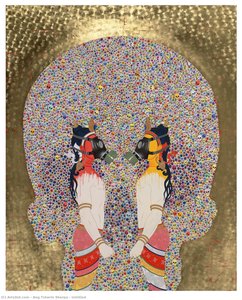
What truly distinguishes the Rubin Museum is its evolution from a fixed destination into a "museum without walls." While its New York home has long been a beacon of innovation through exhibitions like “Men Walking on the Ocean,” which masterfully juxtaposed traditional iconography with contemporary perspectives, the museum’s recent transition toward a global, mobile presence marks a bold new chapter. By focusing on traveling exhibitions, digital resources, and international partnerships, the Rubin continues to fulfill its mission: to foster empathy and celebrate the transformative power of art. It remains a vital catalyst for cultural exchange, ensuring that the profound beauty of Himalayan traditions continues to illuminate shared human values across the globe.