
A Renaissance Echo in Tuscan Stone
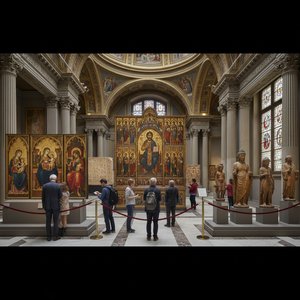
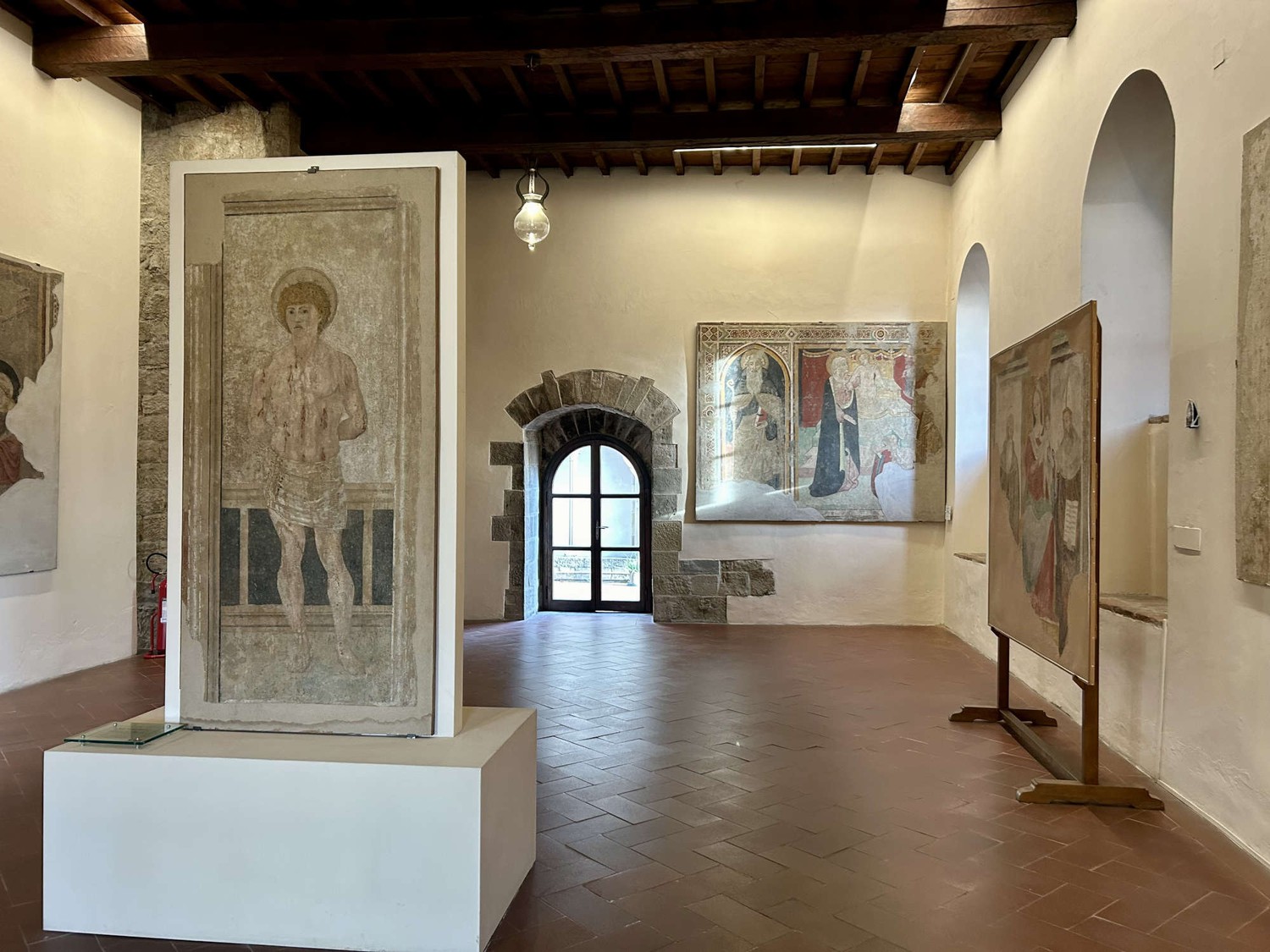
Nestled within the historic heart of Sansepolcro, the Museo della Chiesa di San Lorenzo offers a captivating journey through religious art and history, serving as a profound testament to the artistic legacy of a region that birthed some of Italy's most celebrated masters. To enter this space is to step into an environment where the echoes of Piero della Francesca linger in every stone, inviting a sense of quiet reverence. The museum is far more than a mere exhibition space; it is a sanctuary for those seeking to understand the soul of Tuscany. Its atmosphere of serene contemplation distinguishes it from the grander, often crowded museums of Florence or Rome, offering instead a tranquil setting where visitors can immerse themselves in the beauty of Renaissance art and delve into the complexities of Tuscan cultural heritage.
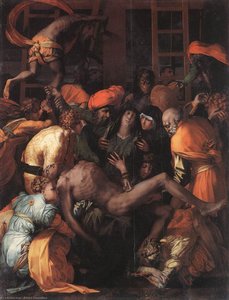
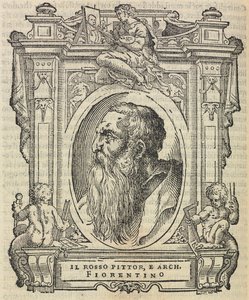
The museum’s collection is anchored by a dramatic vision that captures the turbulent spirit of the sixteenth century. The centerpiece is undoubtedly Rosso Fiorentino’s The Deposition, a monumental canvas that encapsulates the psychological turmoil of its era. Commissioned in the wake of the devastating Sack of Rome in 1527, this masterpiece utilizes a masterful interplay of light and shadow—the technique of chiaroscuro—to create an emotionally charged atmosphere. As the Virgin Mary cradles Christ's lifeless body amidst a chaotic throng of mourners, the painting reflects the profound political instability and religious upheaval experienced by artists of the time. Unlike the more serene compositions found in earlier works, such as Rosso’s Volterra, this piece delves into the darker recesses of human experience, making it an essential study for anyone interested in the evolution of Mannerist emotion and humanist thought.
Beyond the dramatic intensity of Rosso Fiorentino, the museum pays homage to the very roots of Sansepolcro’s artistic identity. As the birthplace of Piero della Francesca, the town imbues the collection with an undeniable aura of significance. Several pieces within the museum bear witness to his pioneering approach to spatial representation, characterized by meticulous detail, geometric precision, and a profound understanding of mathematical principles. These fragments of genius reflect the unwavering commitment to humanist ideals that championed reason and observation as pathways to divine knowledge. For collectors and art enthusiasts, these works provide a rare opportunity to appreciate the enduring impact of an artist whose mastery of perspective fundamentally altered the course of Western art.
The architecture of San Lorenzo itself tells a story of centuries etched in stone. The church reflects a rich evolutionary process, showcasing layers of stylistic influences that span the Romanesque and Gothic periods. While its sturdy walls and soaring arches stand as enduring symbols of the town’s unwavering faith and artistic patronage, the history of the site reaches back even further. Sansepolcro, originally founded by pilgrims returning from Jerusalem, possesses a cultural identity deeply rooted in the act of pilgrimage. The museum's curators continue to honor this legacy through ongoing research and exhibitions that explore connections between historical masterpieces and contemporary practices, ensuring that the dialogue between the past and the present remains vibrant and intellectually stimulating.